
Why The RBI Is Capping Open Rupee Positions To Support INR
After having recently hit a record low, the rupee rallied 1.3% to Rs 93.587 against the US dollar on Monday, March 30. Here's Why
- Republic Business
- 2 min read

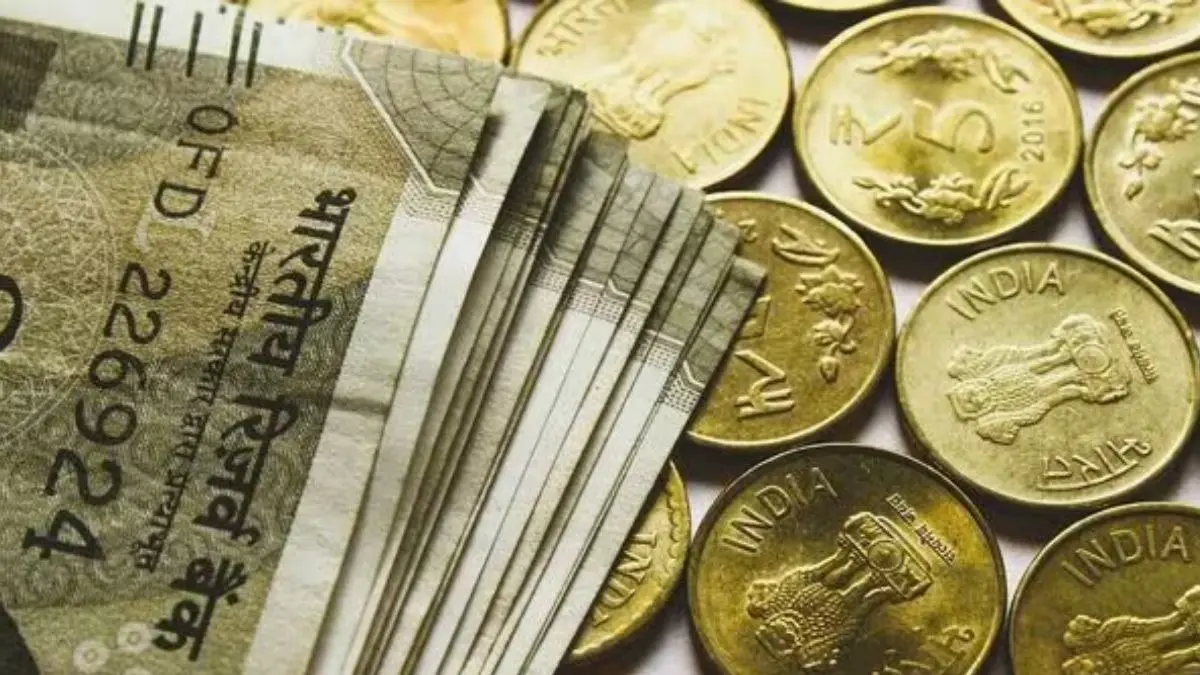
Rupee vs USD: After having recently hit a record low, the rupee rallied 1.3% to Rs 93.587 against the US dollar on Monday, March 30.
This Reserve Bank of India last week directed banks to limit their net open exposure to the currency in the foreign exchange market to $100 million by the end of each day.
While RBI's cap on onshore position limits are expected to lead to dollar selling by banks in the domestic foreign exchange market, the relief could be temporary as the directive has made banks wary of possible losses.
Meanwhile, the spread of arbitrage trade, which were built were built by purchasing dollars onshore and selling them in the NDF market, has increased. This comes amid a pickup in volatility and the fall in rupee on heightened risk aversion and oil-driven pressures linked to the US-Iran war.
Advertisement
The size of such positions is estimated at $25 billion to over $50 billion.
Advertisement
Meanwhile, the pressure on the rupee has been rising amid persistent portfolio outflows and mounting concerns over the impact of higher oil prices on India's economic outlook.
Why Cap On Rupee Open Positions Was Introduced
India's apex bank RBI has imposed this limit to aid the rupee, and ensure better foreign exchange reserves position, which have fallen since the West Asian conflict on Feb 28.
The Reserve Bank of India introduced this cap as the INR has recently hit historic lows of 94.81 against the US dollar, signalling a decline of 4% since. The RBI’s measure is also aimed at halting the rupee’s decline by limiting how much foreign currency exposure banks can maintain onshore.
If the rupee slide continues, the central bank is expected to announce other measures to stabilise the rupee and forex reserves.