
Updated 2 August 2025 at 15:54 IST
'Oldest Baby' In The World, Created From A 30-Year-Old Frozen Embryo
In a remarkable medical first, an embryo frozen for over 30 years resulted in the birth of a healthy baby boy in the United States. The embryo, originally frozen in 1992, was one of four donated by its biological parents to another couple after they completed their own IVF journey.
- Health News
- 3 min read

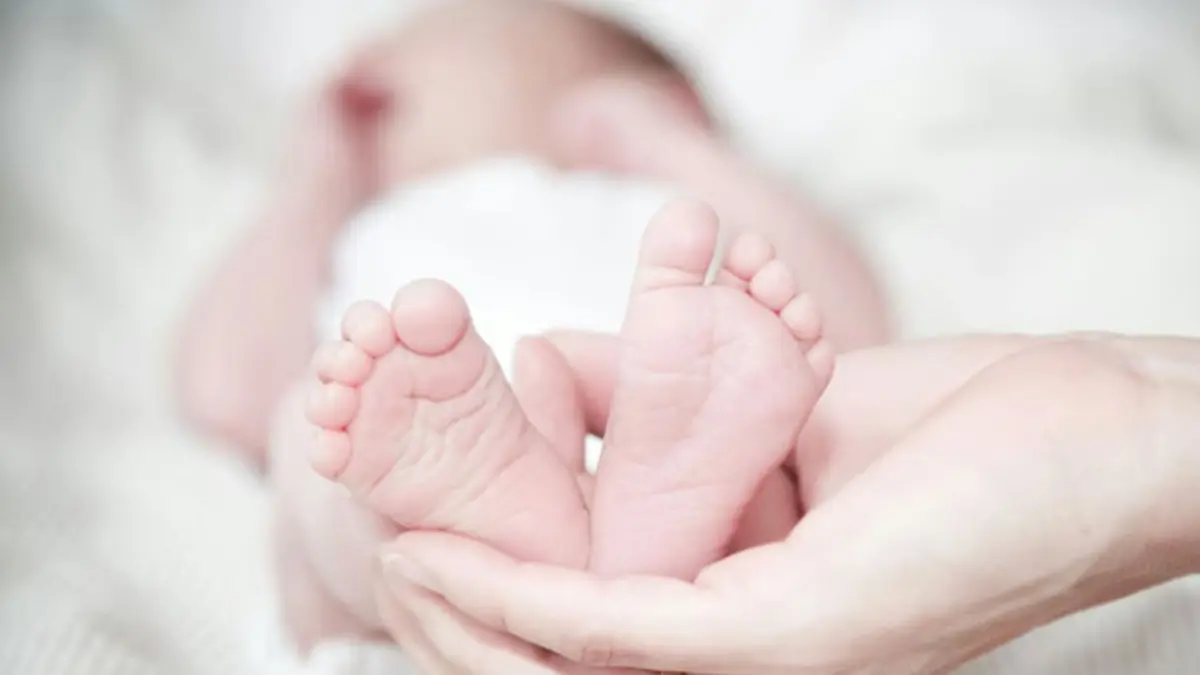
A healthy kid named Thaddeus Daniel Pierce, who is currently regarded as the oldest baby in the world, was born months after the embryo was properly implanted.
At Rejoice Fertility, a Christian non-profit IVF facility in Tennessee that supports embryo adoption, doctors carefully froze the embryo before transferring it into the new mother's uterus.
This occurrence, which is thought to be the longest known time between freezing and giving birth to the embryo, not only demonstrates the progress made in the field of fertility but also provides new opportunities for the infertile couples.
This medical breakthrough gives hope and new options for reproductive treatments around the world.
Advertisement
The embryo had stayed in deep freeze since Linda Archerd first frozen it in 1992 along with three other embryos.
Instead of throwing away the remaining embryos, the original donors who underwent in-vitro fertilization (IVF) in 1994 decided to donate them to other families.
Advertisement
Those embryos remained in frozen storage for several years. Then, in 2023, Lindsey and Tim Pierce, a different couple who struggled to conceive on their own, decided to use one of those given embryos.
As long as they are maintained in optimal conditions, embryos do not have a biological “expiration date.”
Dr. Jyoti Tripathi, a reproductive specialist at Nova IVF reproductive in Indore says, "Embryos can be safely kept for decades using medical means. It's important to keep storage conditions constant.
However, the ART (Assisted Reproductive Technology) regulation in India permits storage for a maximum of ten years, after which consent must be repeated, Dr. Tripathi stated.
The successful delivery demonstrates that, provided all scientific procedures are closely adhered to, time does not always reduce a frozen embryo's viability.
Donating an embryo, as opposed to an egg or sperm, enables the recipient mother to bear the pregnancy herself, forging a strong emotional bond. For many families, it also offers a more cost-effective option.
The cost of using extra cryopreserved embryos is significantly lower than that of starting a new IVF cycle.
This has a significant impact for couples in nations like India, where cost is frequently an issue, according to Dr. Bhavana Girish, an IVF specialist at Motherhood Fertility & IVF in Bangalore.
"There are no additional risks to the baby or mother just because the embryo is older," she says in response to queries regarding potential health hazards. In essence, freezing stops time.
Every clinic is therefore subject to moral and legal obligations regarding the use and preservation of these materials.
The story raises an important question: is it possible to have a healthy child from a long-frozen embryo?
We spoke with IVF specialists to find out more about the procedure and how this medical innovation works. Experts say yes.
A healthy pregnancy can still be achieved from an embryo that was frozen thirty years ago because of advancements in cryopreservation, especially vitrification.
Published By : Namya Kapur
Published On: 2 August 2025 at 15:52 IST