
Apple Explains Why watchOS 27 Drops Support for Five Older Apple Watch Models
The company recently confirmed that watchOS 27 will only be available on Apple Watch Series 9 and newer models, Apple Watch Ultra 2 and later, and the newly launched Apple Watch SE 3.

;'%3e%3cpath%20d='m8,15.99c4.41,0,7.99-3.58,7.99-7.99S12.41,0,8,0,0,3.59,0,8s3.58,7.99,7.99,7.99Z'%20style='stroke:%23fff;%20stroke-miterlimit:10;%20stroke-width:.02px;'/%3e%3cpath%20d='m3.08,3.37l3.82,5.11-3.84,4.15h.87l3.37-3.64,2.72,3.64h2.94l-4.04-5.39,3.58-3.87h-.86l-3.1,3.35-2.5-3.35h-2.94Zm1.27.64h1.35l5.97,7.99h-1.35l-5.97-7.99Z'%20style='fill:%23fff;'/%3e%3c/g%3e%3c/svg%3e)


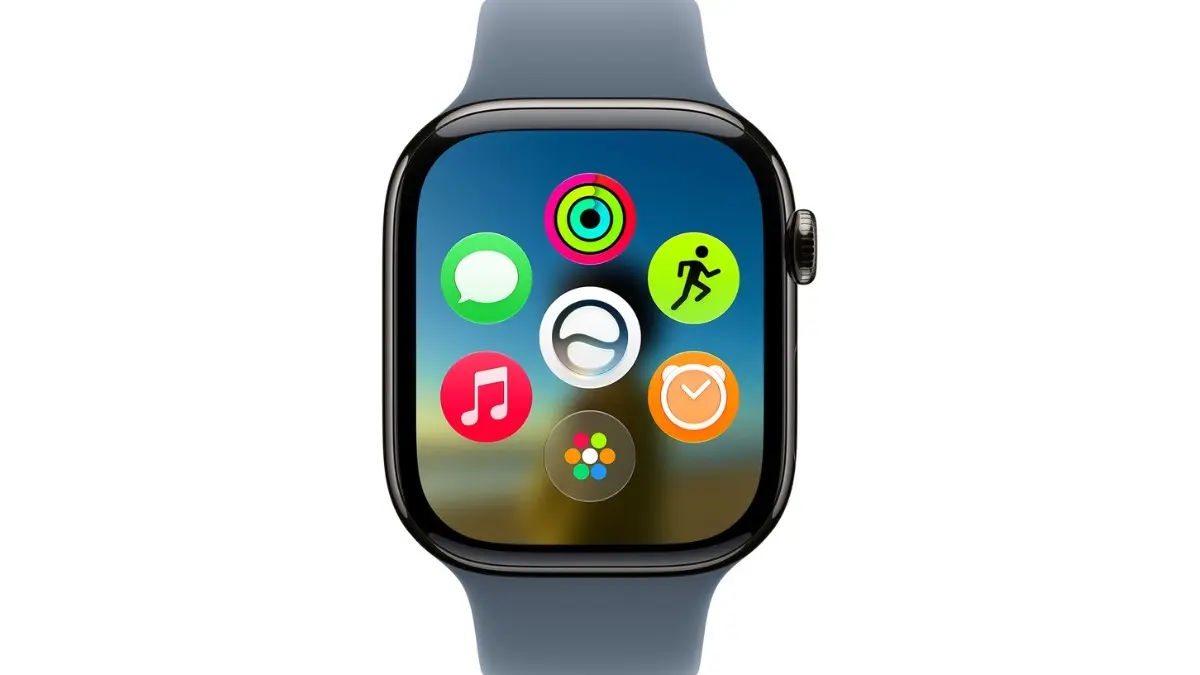
Apple has explained its decision to end watchOS 27 support for five older Apple Watch models, arguing that the hardware simply cannot deliver the performance needed for the software's new AI-powered features and upgraded Siri experience.
The company recently confirmed that watchOS 27 will only be available on Apple Watch Series 9 and newer models, Apple Watch Ultra 2 and later, and the newly launched Apple Watch SE 3. That means support is ending for the Apple Watch Series 6, Series 7, Series 8, second-generation Apple Watch SE, and the first-generation Apple Watch Ultra.
While older devices will continue to receive security updates, they will not gain access to watchOS 27 or its new features. The move is notable because Apple is effectively dropping support for several generations of Apple Watch models in a single software cycle, something it has rarely done before.
Apple Says Performance Is the Main Reason
Speaking about the decision, Apple Watch and Health product marketing manager Cait Dooley said the company prioritises performance and user experience when deciding which devices can support new software releases.
Advertisement
According to Dooley, several of watchOS 27's headline features, including the new Siri AI capabilities and enhanced gesture controls, require the processing power available in the Apple Watch Series 9 and newer devices. "With every software release across every single one of our platforms, we always want to ensure that you have the best experience, so we make power and performance a priority," Dooley said.
He added that users of older Apple Watch models paired with iPhones running the latest software will continue to receive security updates and normal functionality despite missing out on the new operating system.
Advertisement
Siri Is Becoming a Bigger Part of Apple Watch
The explanation also sheds light on Apple's broader ambitions for Siri on the Apple Watch. David Clark, Apple's senior director of watchOS software engineering, said one of the primary goals of watchOS 27 is to make the smartwatch a more intelligent extension of Apple Intelligence.
According to Clark, Apple wants Siri to behave consistently across devices, whether users interact with the assistant on their iPhone, iPad, Mac, or Apple Watch.
"We really wanted to make sure the Siri experience is a singular and consistent experience," Clark said, adding that Apple Watch is often the most convenient way to access Siri because it remains available throughout the day and can be used when a person's hands are occupied.
Apple Wants Siri to Work Across Devices Seamlessly
Apple demonstrated a scenario where a user asks Siri on their watch for ingredients needed for a recipe while shopping. The information can then appear on the user's iPhone in a more detailed and readable format, creating what Clark described as a seamless cross-device experience.
The company views these AI-powered interactions as a key part of the future Apple Watch experience, which also helps explain why Apple is drawing a firmer line around hardware requirements than it has in previous years.
watchOS 27 Release Timeline
watchOS 27 is currently available as a developer beta. Apple is expected to release a public beta next month before rolling out the final version alongside its new Apple Watch lineup later this year.
For owners of the affected models, the decision may be disappointing, particularly for those using the original Apple Watch Ultra, which launched as a premium flagship device. But Apple's message is clear: the future of the Apple Watch is increasingly tied to AI, and not every processor is invited to the party.
