
Updated 3 March 2026 at 12:30 IST
Americans In Iran Face Possible Peril As US-Israeli Strikes Grow, Detainee Advocates Warn
The detainees are among what some experts estimate are possibly thousands of dual U.S.-Iranian nationals and green-card holders who have remained in Iran despite repeated U.S. warnings not to travel there because of the threat of being arrested.
- World News
- 5 min read

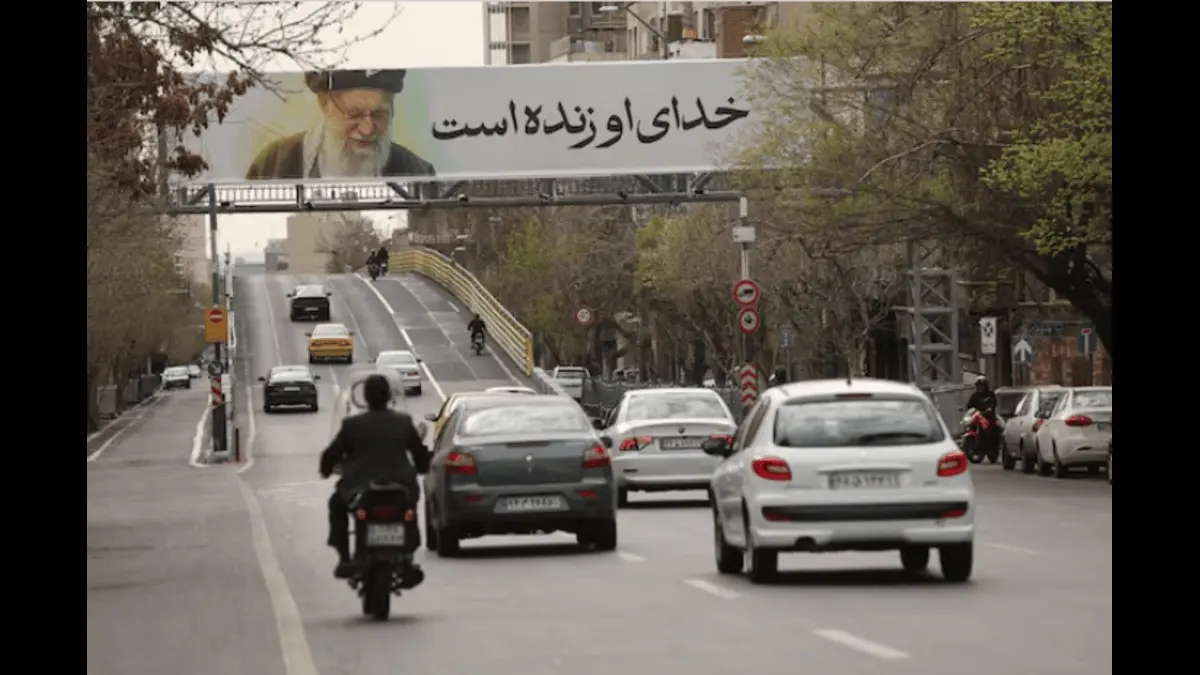
Washington: Iran is detaining at least six U.S. citizens or permanent residents, according to detainee advocates, raising fears they and thousands of Americans believed trapped in the country could be used as bargaining chips in the escalating war with the U.S. and Israel.
The detainees are among what some experts estimate are possibly thousands of dual U.S.-Iranian nationals and green-card holders who have remained in Iran despite repeated U.S. warnings not to travel there because of the threat of being arrested.
"The regime's history of seeking to leverage Americans for political aims is long established," said Ryan Fayhee, a board member of the Foley Foundation advocacy group.
“I would have to imagine that any American is potentially at risk.”
Advertisement
The United States and Israel launched attacks on Iran early on Saturday that have killed Supreme Leader Ali Khamenei and other officials, triggering retaliatory Iranian attacks across the region and escalating fears that Tehran will seek other ways to hit back at the U.S.
"There are hundreds, if not thousands, if not more, of dual nationals that are back there that still have familial ties despite the risks," said Kieran Ramsey, a former FBI assistant director now with the Global Reach advocacy group who headed the U.S. hostage recovery unit.
Advertisement
Iran does not recognize dual citizenship, meaning that other governments cannot provide diplomatic protection or consular services to their citizens who also hold Iranian nationality.
A source familiar with the issue said that the U.S. State Department does not know precisely how many Americans are in Iran. The State Department and the office of the U.S. Special Presidential Envoy for Hostage Affairs did not immediately respond to a request for comment.
"President Trump has been clear that he wants every American wrongfully detained to be returned home safe and sound, and that there will be dire consequences for regimes that treat Americans as political pawns," White House spokesperson Anna Kelly said in an emailed statement.
Iran's mission at the United Nations also did not immediately respond.
A FOCUS ON DETAINED AMERICANS
U.S. President Donald Trump has made securing the release of Americans deemed wrongfully detained or held hostage overseas a foreign policy priority. More than 70 Americans have been freed since the beginning of his second term in January 2025, according to the White House.
But Trump has not said how he would protect those detained since the start of the attacks on Iran on Saturday.
Only hours before the U.S.-Israeli strikes began, U.S. Secretary of State Marco Rubio on Friday designated Iran as the first state sponsor of wrongful detention under an executive order signed by Trump on September 5.
The designation, he said, could trigger a ban on the use of U.S. passports to travel to and from Iran and other unspecified measures unless Tehran stops taking "hostages" and releases all Americans, the number of which he did not disclose.
Detainee advocates saw the move as a message to Iran not to harm American detainees or any other Americans. But they expressed concern that it could go unheeded amid a breakdown in Iran's hierarchy from the strikes.
"When you have kinetic action and military strikes like this, it just ups the risk factor for these folks exponentially," said Ramsey.
JAIL FOR POLITICAL PRISONERS
At least six dual U.S.-Iranian nationals or legal permanent residents are known to be held in Tehran's Evin Prison, a notorious jail for political prisoners and foreigners, or barred from leaving Iran, said Elizabeth Richards, the Foley Foundation research director.
The identities of three of those people are not public.
Israel bombed the prison during its 12-day air war with Iran last June, killing at least 71 people, Iran said.
Those now held in Evin include Shahab Dalili, a green-card holder arrested in 2016 on his way to the airport after attending his father's funeral and given 10 years in jail for allegedly cooperating with a foreign government, according to the Foley Foundation.
Fayhee represents Reza Valizadeh, a dual U.S.-Iranian citizen who was arrested in 2024 after returning to Iran to visit his elderly parents and also given 10 years in jail for "collaboration with a hostile government," according to the Foley Foundation.
Valizadeh, a journalist, is being held in Evin Prison, Fayhee said. So too is Kamran Hekmati, a 70-year-old Jewish Iranian-American jewelry shop owner arrested last year, according to Ramsey, who represents Hekmati's family.
He was convicted of going to Israel under a law that bars such visits in the past 10 years, even though he provided documentation showing his last visit was 13 years before his arrest, Ramsey said.
Hekmati, who is suffering from bladder cancer, was also charged with espionage, for which he has not been convicted. His lawyer was told it was for allegedly meeting Israeli intelligence agents. Iran often adds such a charge as a way of signaling that the detainee would be released only through an exchange with Washington, Ramsey said.
Published By : Amrita Narayan
Published On: 3 March 2026 at 12:30 IST