
Draining Weapons Stockpiles: Reports Show Iran War Costs US $1 Billion A Day
While the U.S. government has not officially disclosed the total cost of the conflict, independent estimates cited in reports place the expenditure between $28 billion and $35 billion over 38 days of fighting. This translates to nearly $1 billion per day.
- World News
- 3 min read

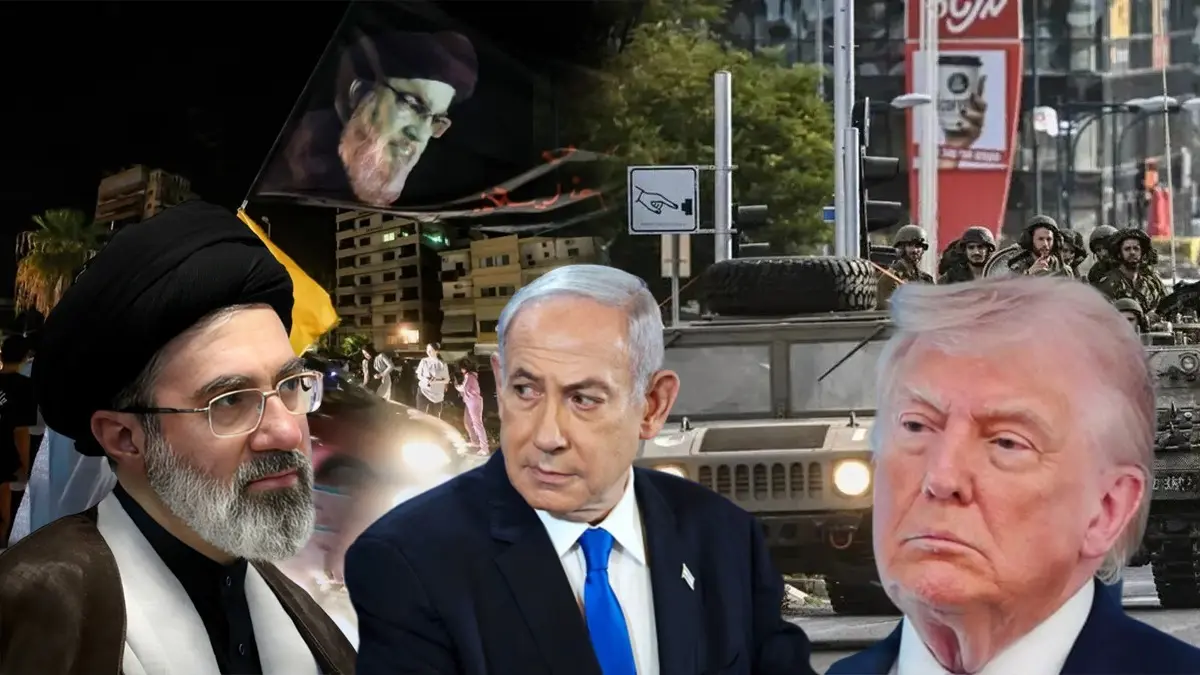
The ongoing war in Iran has pushed US military spending to nearly $1 billion a day while rapidly depleting critical weapon stockpiles, raising concerns within the Pentagon and Congress about long-term preparedness, according to reports.
According to the New York Times report, the scale of munitions used during the conflict has exposed vulnerabilities in U.S. military readiness, particularly in the event of a broader confrontation with global adversaries like Russia and China.
While the U.S. government has not officially disclosed the total cost of the conflict, independent estimates cited in reports place the expenditure between $28 billion and $35 billion over 38 days of fighting.
This translates to nearly $1 billion per day. In the first two days alone, U.S. forces reportedly used $5.6 billion worth of munitions.
Advertisement
The Pentagon has stated that over 13,000 targets were hit during the conflict, though officials say this figure does not fully reflect the volume of weapons used, as many targets required repeated strikes.
Pentagon burns through high-end missiles at rapid pace
The US military has reportedly been using critical munitions at an unprecedented rate since the conflict began.
Advertisement
More than 1,100 long-range stealth cruise missiles known as JASSMs have already been deployed in strikes targeting missile silos and airfields inside Iran. Around 1,500 of these missiles are estimated to remain as per New York Times reports.
In addition, over 1,000 Tomahawk cruise missiles have been used to hit radar systems and missile sites, with approximately 3,000 still left in stockpiles.
The Pentagon has also reportedly used more than 1,200 Patriot air defence interceptors, which are crucial for countering incoming missile threats. Roughly 2,000 of these systems remain.
Precision weapons stockpiles nearing critical levels
The conflict has also seen heavy use of precision strike and ground attack missiles, with over 1,000 fired during operations.
According to internal Pentagon estimates cited in reports, only a few hundred of these weapons may now remain, raising alarms among military commanders.
Officials in Europe and Asia have reportedly also expressed concern that key weapons originally intended for potential conflicts with China are being redirected to the Middle East, weakening preparedness in other regions, says new York Times report.
Military readiness concerns against China and Russia
According to a New York Times report, the Pentagon has been forced to shift weapons and resources from commands in Asia and Europe to support operations in the Middle East.
This has left U.S. forces in those regions less equipped to respond to potential threats from Russia and China.
The rapid depletion has also highlighted the challenges of replenishing advanced weapons systems and scaling up production quickly enough to meet demand.
The conflict has also brought attention to the Pentagon’s reliance on expensive, high precision weapons, particularly air defense systems.
According to reports, there are growing concerns about whether the defense industry can produce more cost effective alternatives, including drones and lower cost strike systems, at a faster pace.
Rising global impact amid ongoing conflict
The war has had wider geopolitical and economic consequences, with global supply chains and energy markets feeling the strain.
Airlines worldwide have begun cancelling flights as jet fuel supplies tighten and oil prices rise.
Meanwhile, diplomatic efforts continue, with Iran’s Foreign Minister Abbas Araghchi meeting Russian President Vladimir Putin as part of attempts to revive stalled negotiations.
The human cost of the conflict continues to rise. According to reports, at least 3,375 people have been killed in Iran, while 2,509 deaths have been reported in Lebanon amid renewed Israel Hezbollah clashes.
At least 23 people have been killed in Israel, along with more than a dozen in Gulf countries. Casualties also include 13 U.S. service members, 15 Israeli soldiers in Lebanon, and six UN peacekeepers.