Ferrari’s First Electric Car, the Luce, Costs ₹6.4 Crore and Signals a Radical Shift for the Luxury Carmaker
The €550,000 Ferrari Luce is the Italian brand’s first fully electric vehicle and its first five-seater, marking a major gamble on the future of luxury EVs.
- Automobile News
- 3 min read

;'%3e%3cpath%20d='m8,15.99c4.41,0,7.99-3.58,7.99-7.99S12.41,0,8,0,0,3.59,0,8s3.58,7.99,7.99,7.99Z'%20style='stroke:%23fff;%20stroke-miterlimit:10;%20stroke-width:.02px;'/%3e%3cpath%20d='m3.08,3.37l3.82,5.11-3.84,4.15h.87l3.37-3.64,2.72,3.64h2.94l-4.04-5.39,3.58-3.87h-.86l-3.1,3.35-2.5-3.35h-2.94Zm1.27.64h1.35l5.97,7.99h-1.35l-5.97-7.99Z'%20style='fill:%23fff;'/%3e%3c/g%3e%3c/svg%3e)


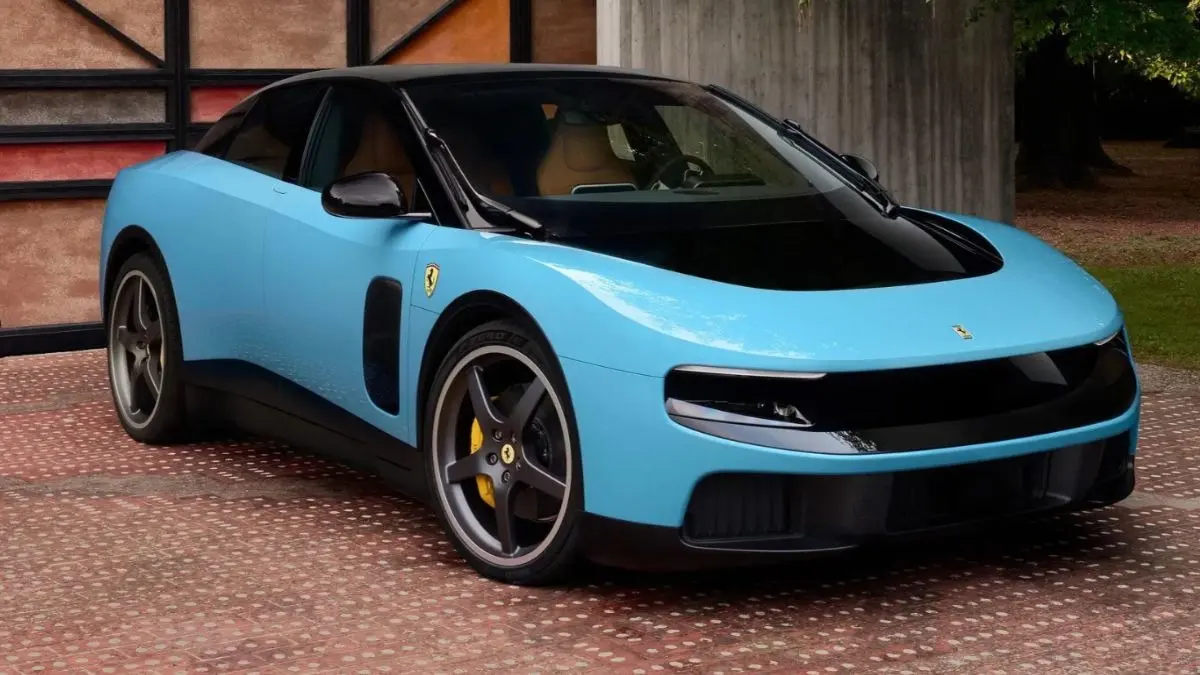
Ferrari has unveiled its first fully electric car, the Ferrari Luce, in a move that could redefine one of the world’s most iconic luxury automotive brands.
Presented at a launch event in Rome on Monday, the new EV marks a dramatic departure for the Italian carmaker long associated with roaring petrol engines, Formula One pedigree and high-performance sports cars.
The Luce, Italian for “light”, will cost €550,000, or roughly ₹6.4 crore, before taxes and customisation. Deliveries are expected to begin in the final quarter of 2026.
The launch places Ferrari at the centre of a difficult transition underway in the global luxury auto industry. While electric vehicles continue expanding worldwide, several premium brands including Porsche and Lamborghini have recently slowed or reconsidered parts of their EV strategy because of softer-than-expected demand.
Advertisement
Ferrari, however, appears willing to take the risk.
According to Reuters, Ferrari chief executive Benedetto Vigna described the Luce as “the result of five years of work”, as the company showcased a vehicle designed to attract both traditional Ferrari enthusiasts and a younger, tech-oriented generation of luxury buyers.
Advertisement
Unlike Ferrari’s traditional two-seat supercars, the Luce has been designed as a more practical luxury vehicle aimed at affluent families and long-distance comfort.
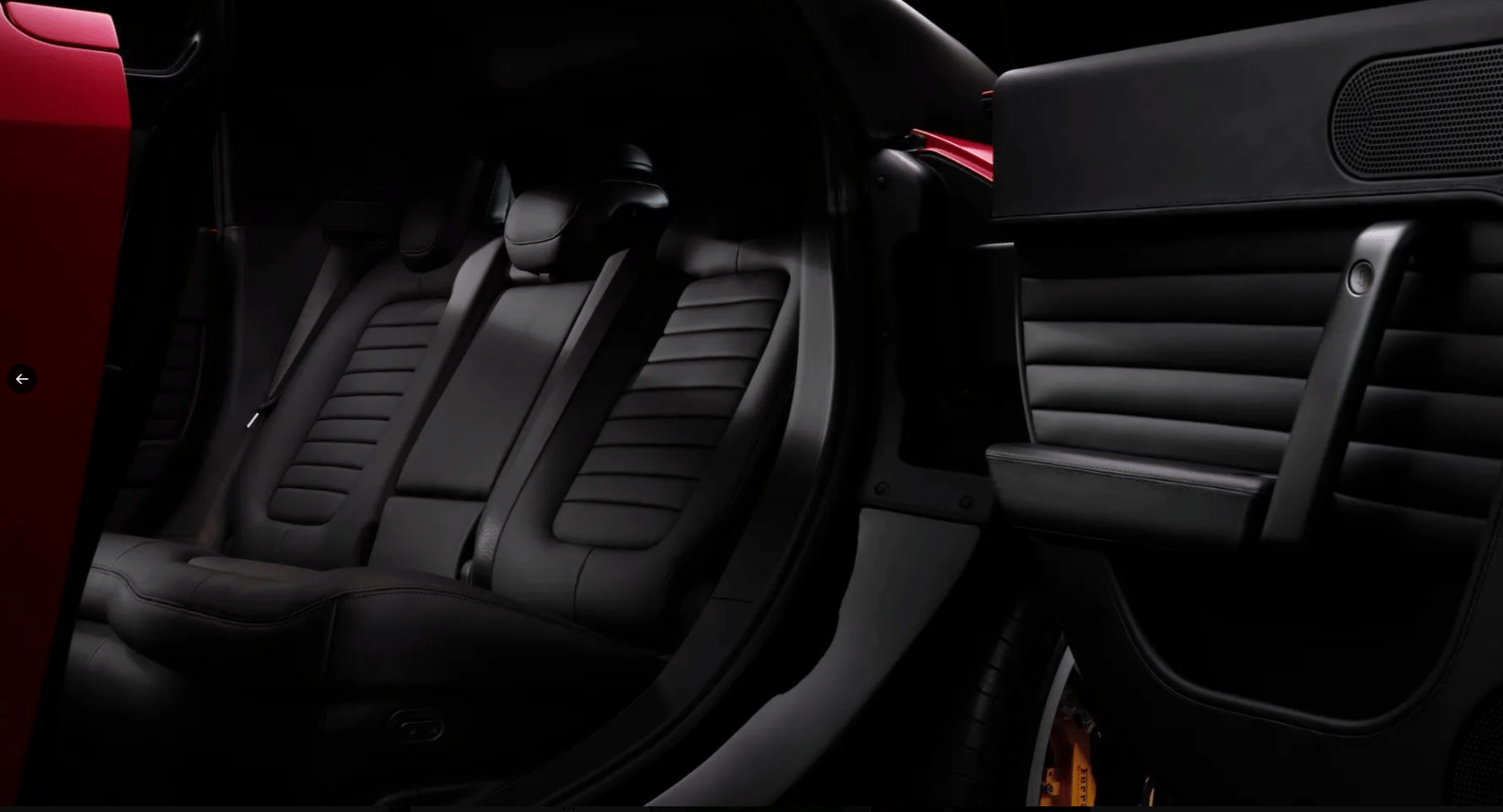
It is the company’s first five-seater and includes a large 600-litre boot, spacious interiors and a more relaxed grand touring design philosophy.
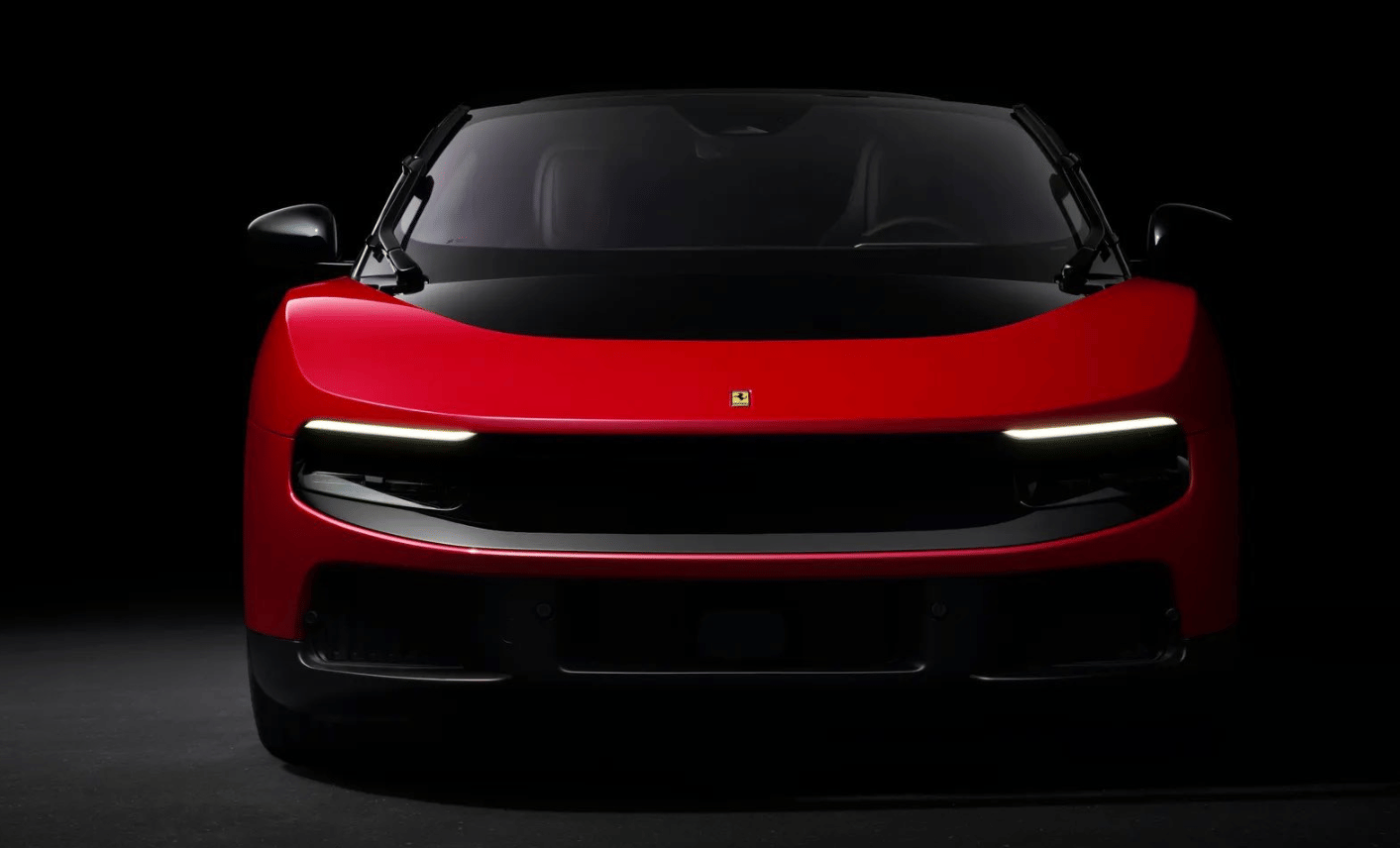
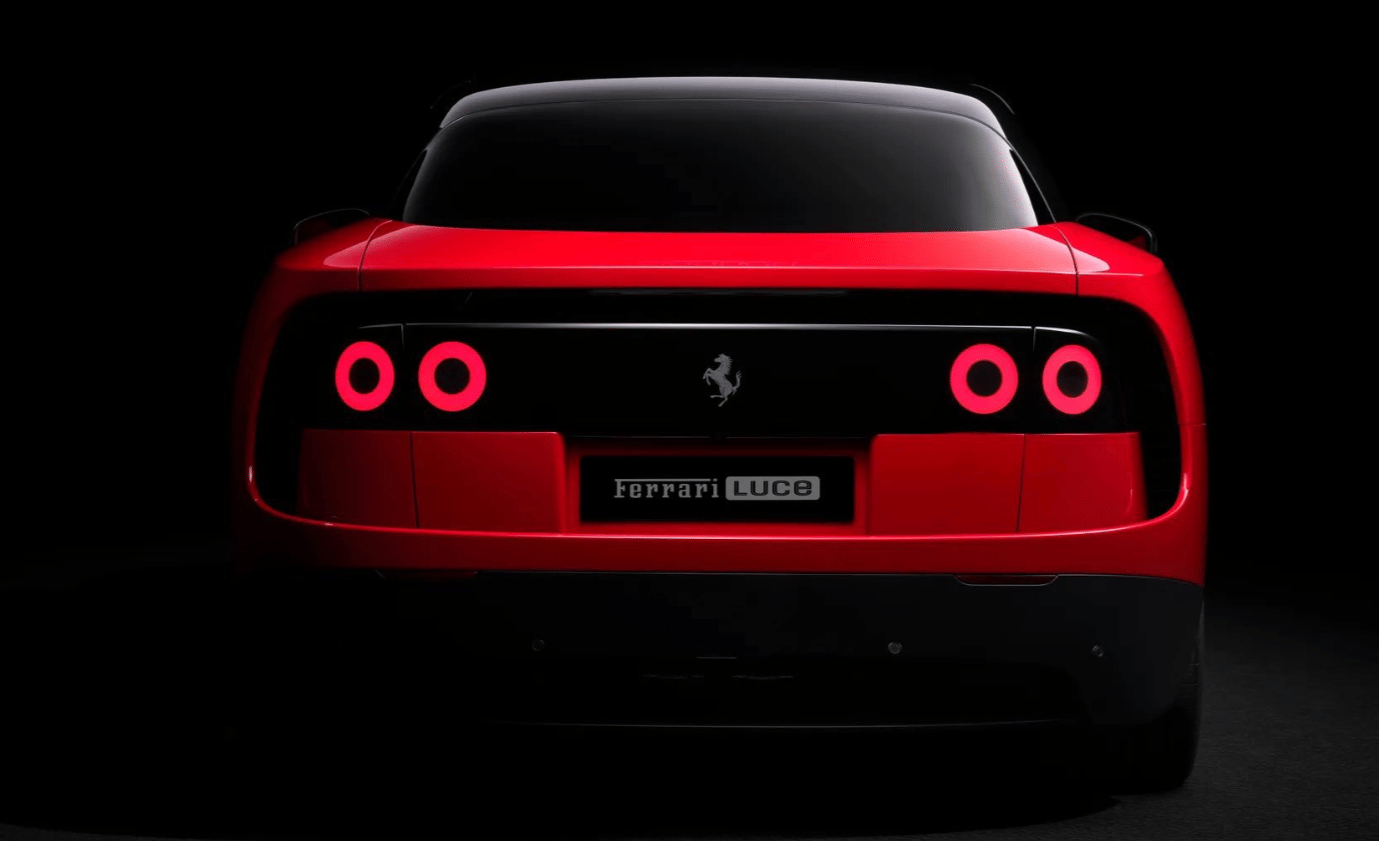
Developed with input from former Apple design chief Jony Ive and his creative collective LoveFrom, the Luce signals a visible shift away from Ferrari’s traditionally aggressive styling. The car features softer lines, a larger body and expansive glass-heavy design elements that give it a more futuristic appearance.
Reuters reported that Ferrari hopes the car will appeal to buyers looking for a luxury EV suited for different moments of daily life, not just high-speed driving.
“In our client base there are many ... who are still looking for something completely different, to be used in different moments of life,” Ferrari’s chief marketing and commercial officer Enrico Galliera told Reuters.
Despite the shift to electrification, Ferrari appears determined to preserve the emotional appeal associated with the brand.
The Luce uses four electric motors, one for each wheel, producing more than 1,000 horsepower and allowing the car to exceed speeds of 310km/h. Ferrari says the EV will offer a driving range of more than 500 kilometres on a single charge.
Perhaps most notably, engineers have developed systems that amplify natural vibrations and sounds from the electric powertrain in an effort to recreate some of the visceral sensation traditionally associated with Ferrari’s V8 and V12 engines.
“It’s absolutely stunning,” Galliera told Reuters while describing the vehicle.
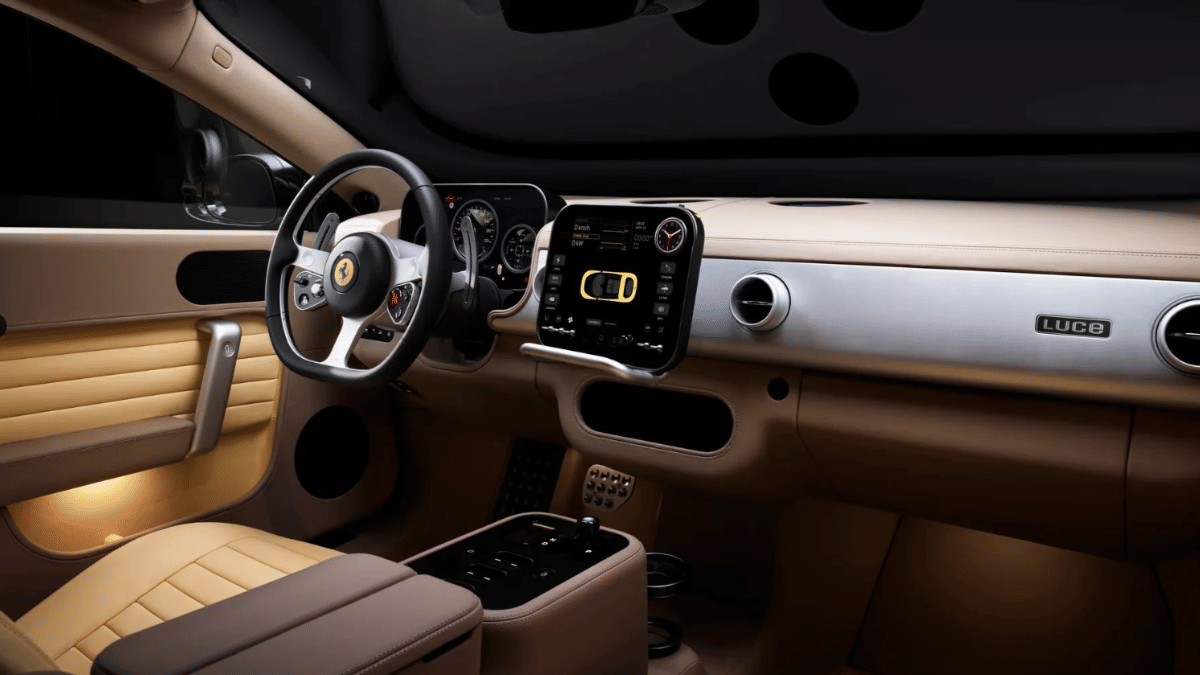
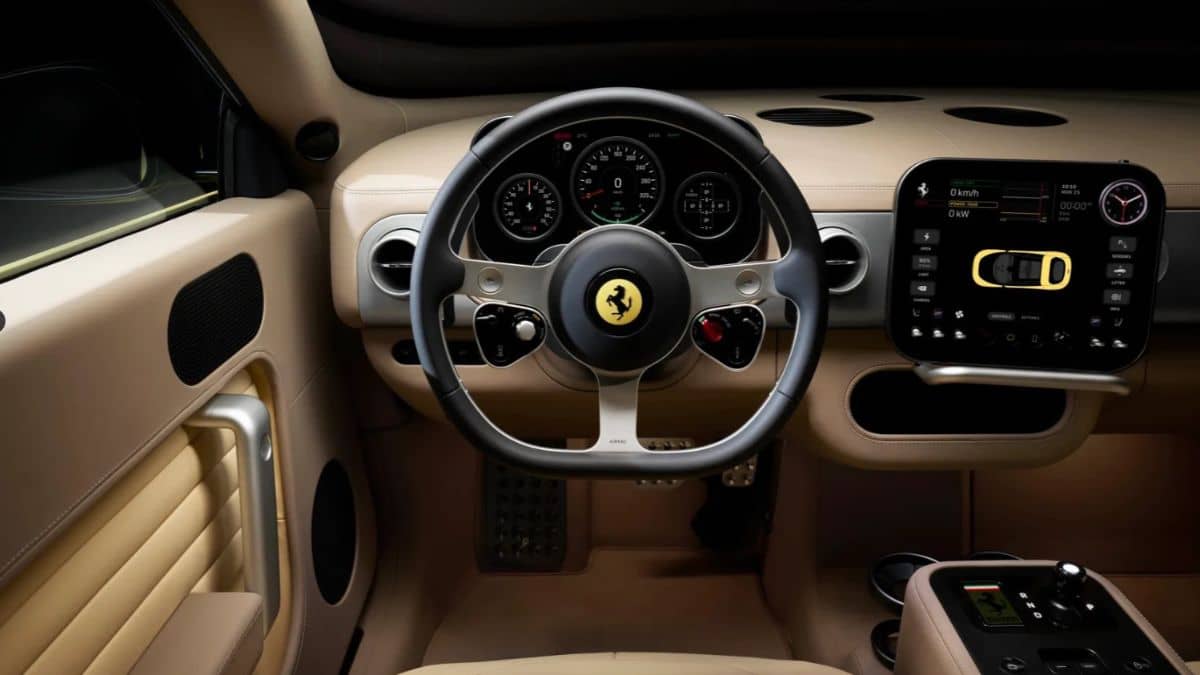
Inside, Ferrari has resisted the minimalist, all-touchscreen approach adopted by Tesla and several Chinese EV manufacturers. Instead, the Luce combines digital displays with physical controls, leather interiors, anodised aluminium and traditional luxury detailing.
Industry analysts say Ferrari’s electric push may also be strategically important for markets such as China, where EV adoption is already widespread and large petrol-powered cars face heavy taxation.
For Ferrari, the Luce represents far more than a new product launch.
It is a high-stakes test of whether one of the automotive world’s most recognisable combustion-engine brands can successfully reinvent itself for an electric future without losing the identity that made it legendary in the first place.