
After Petrol-Diesel Price Hike, CNG Prices Go Up By Rs 2 As West Asia Crisis Deepens
CNG prices in India have risen by ₹2 per kg amid increasing petrol and diesel rates due to disruptions in the Strait of Hormuz, affecting transport costs for auto-rickshaw drivers and commuters. Further price hikes may follow if tensions persist.
- Republic Business
- 2 min read

;'%3e%3cpath%20d='m8,15.99c4.41,0,7.99-3.58,7.99-7.99S12.41,0,8,0,0,3.59,0,8s3.58,7.99,7.99,7.99Z'%20style='stroke:%23fff;%20stroke-miterlimit:10;%20stroke-width:.02px;'/%3e%3cpath%20d='m3.08,3.37l3.82,5.11-3.84,4.15h.87l3.37-3.64,2.72,3.64h2.94l-4.04-5.39,3.58-3.87h-.86l-3.1,3.35-2.5-3.35h-2.94Zm1.27.64h1.35l5.97,7.99h-1.35l-5.97-7.99Z'%20style='fill:%23fff;'/%3e%3c/g%3e%3c/svg%3e)


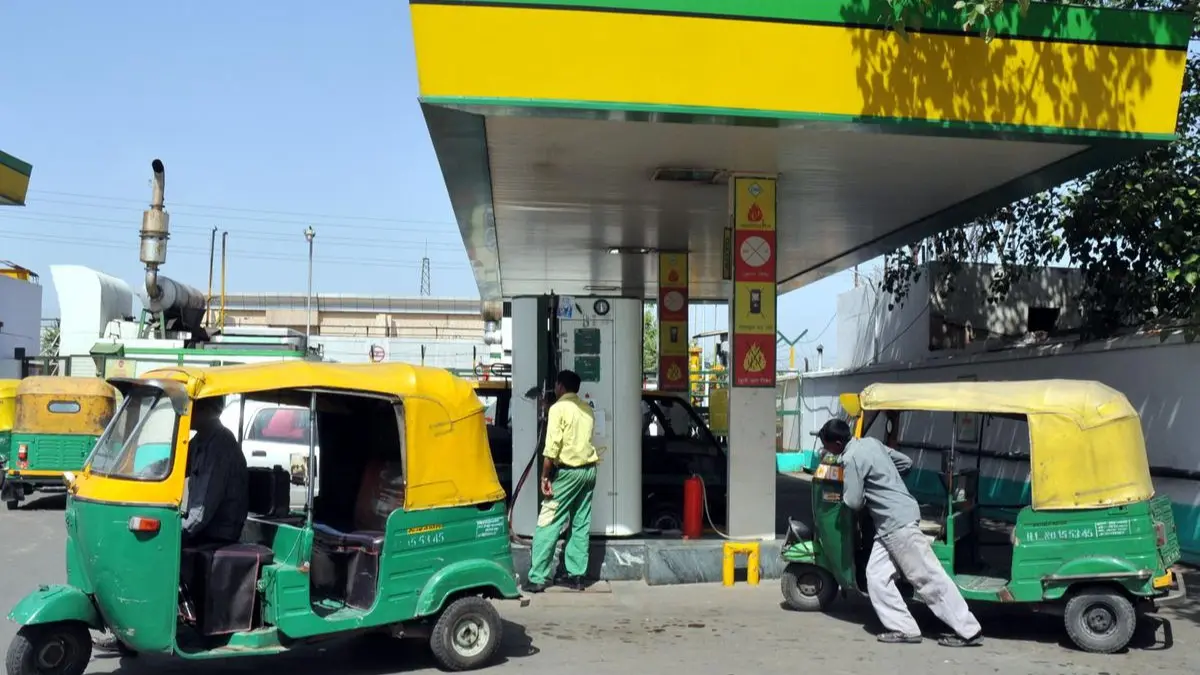
New Delhi: India’s fuel price burden has intensified further as CNG prices have now been hiked by ₹2 per kg in several regions following the recent increase in petrol and diesel rates, amid continuing disruption in the Strait of Hormuz - one of the world’s most critical oil transit routes.
The latest hike comes as global energy markets remain under pressure due to the ongoing West Asia conflict and restrictions around the Strait of Hormuz, through which nearly 20% of the world’s oil supply normally passes. The prolonged blockade and security threats in the region have sharply impacted crude oil shipments and LNG supplies, triggering higher fuel costs worldwide.
In the Mumbai Metropolitan Region, CNG prices have risen by ₹2 per kg, taking the retail rate to ₹84 per kg from Thursday. The increase is expected to directly affect auto-rickshaw drivers, taxi operators and daily commuters dependent on CNG-run transport. Following the hike, transport unions have also started demanding fare revisions to offset rising operational costs.
Fuel prices across India have been witnessing upward pressure over the past several weeks due to soaring international crude prices and disrupted shipping movements through the Gulf region. Analysts warn that if tensions around Hormuz continue, India could face further increases in petrol, diesel and cooking gas prices in the coming days.
Advertisement
The crisis has already forced several shipping companies to alter routes or delay cargo movement, while India has increased naval monitoring and energy security measures to safeguard fuel supplies. Despite some LPG shipments successfully reaching Indian ports under naval escort, uncertainty over future supplies continues to keep markets volatile.