
Budget 2026: Retail, E-commerce Look to Consumption Push and GST Relief
As the Union Budget 2026 approaches, leaders across retail and e-commerce are calling for measures that sustain consumption growth, rationalise GST, and support technology-led retail ecosystems. From mass-market brands and private labels to luxury resale platforms, industry voices point to strong festive demand, rapid expansion in tier-II and III cities, and the need for policy clarity to unlock the next phase of growth.
- Republic Business
- 3 min read

;'%3e%3cpath%20d='m8,15.99c4.41,0,7.99-3.58,7.99-7.99S12.41,0,8,0,0,3.59,0,8s3.58,7.99,7.99,7.99Z'%20style='stroke:%23fff;%20stroke-miterlimit:10;%20stroke-width:.02px;'/%3e%3cpath%20d='m3.08,3.37l3.82,5.11-3.84,4.15h.87l3.37-3.64,2.72,3.64h2.94l-4.04-5.39,3.58-3.87h-.86l-3.1,3.35-2.5-3.35h-2.94Zm1.27.64h1.35l5.97,7.99h-1.35l-5.97-7.99Z'%20style='fill:%23fff;'/%3e%3c/g%3e%3c/svg%3e)


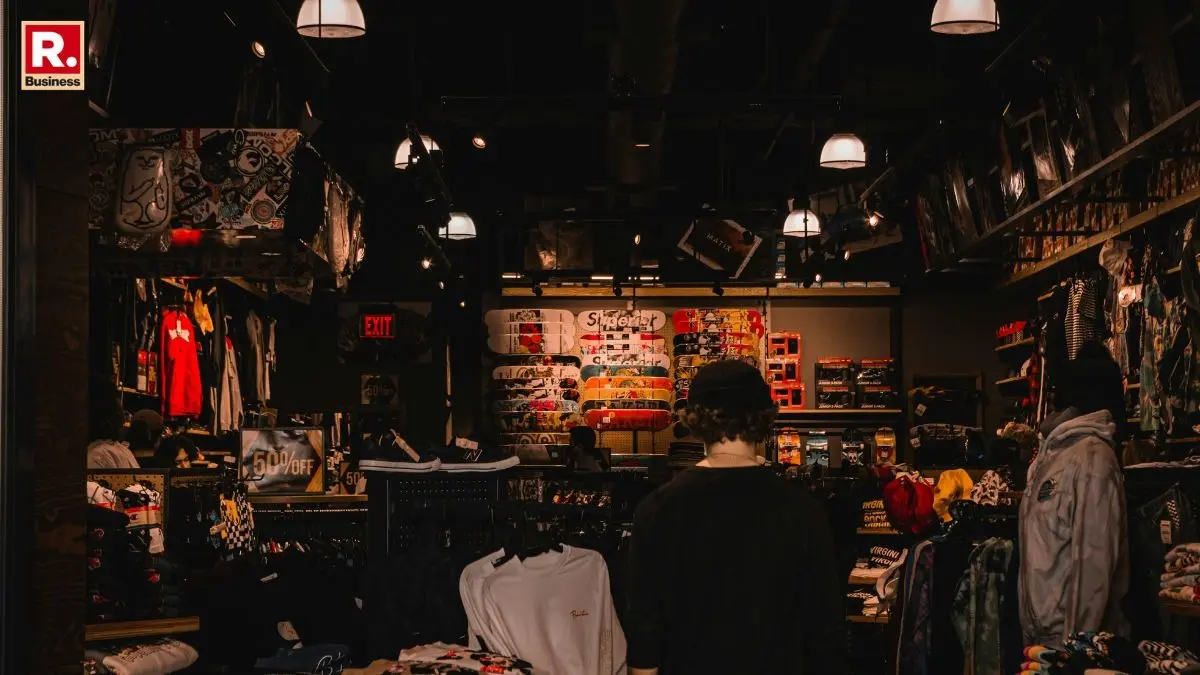
With the Union Budget 2026 weeks away, India’s retail and e-commerce sector is entering the policy spotlight, buoyed by strong festive sales and rising consumer demand, but also seeking targeted government support to maintain momentum.
Industry leaders say recent income tax relief and GST reductions have already sent a positive signal to consumers, creating expectations that the upcoming Budget will reinforce consumption-led growth.
Consumption Revival Key for Mass-Market Retail
Vidushi Jain, Co-Founder of fashion brand Attrangi, said policy moves over the past year have had a direct impact on consumer sentiment.
“I see the government’s clear signal through recent income tax cuts and GST reductions, a strong push to boost consumption and revive that aspect of the economy,” Jain said. “The upcoming budget should follow suit, layering in additional supports to sustain this momentum.”
Advertisement
She added that strong festive demand in 2025 has translated into optimism across the retail sector.
“Last year festive sales were very strong, and for a retail brand like ours, this means brighter prospects for demand, sales growth and business expansion. Overall, this year is likely to focus on mass consumption as well.”
Advertisement
Luxury, Fashion and Resale Seek Policy Clarity
Beyond mass retail, luxury and premium fashion platforms are calling for regulatory clarity and technology-driven policy support to unlock value-added growth.
Ackshay Jain, Co-Founder and CEO of Culture Circle, said India’s luxury opportunity is expanding beyond manufacturing into digital ecosystems.
“India’s fashion and luxury opportunity now extends far beyond manufacturing. To truly scale value-added growth, we need policy support for technology-led ecosystems, authentication, supply chain digitisation, and the fast-growing resale economy,” he said.
He added that GST reforms and resale clarity could revive discretionary spending while addressing sustainability and counterfeiting concerns.
“Budget measures that rationalise GST on premium fashion and bring clarity to authenticated resale will not only revive discretionary spending but also make genuine luxury more accessible, sustainable and counterfeit-free for India’s aspirational consumers.”
Organised Retail, Private Labels and Tier-II Expansion
Retail and FMCG startups are also expecting the Budget to support structural changes underway in the sector, particularly the growth of organised retail, private labels, and franchise-driven expansion.
Ashish Pandey, Director and Co-Founder of BuyBuyCart, pointed to the rapid rise of neighbourhood and franchise-based retail formats.
“Organised retail is expected to grow at 15–18% annually over the next two to three years, while private labels are seeing over 20% CAGR,” Pandey said, citing increasing value consciousness, better sourcing, and stronger control over quality and pricing.
Private labels currently account for about 10–12% of organised retail sales, a share Pandey believes could double by 2027 as consumers prioritise trust and consistency, particularly in FMCG, daily essentials, and personal care.
He said the upcoming Budget could accelerate this shift through targeted policy measures.
“Easier institutional credit access for franchise partners, GST rationalisation on private-label and essential goods, incentives for local sourcing and packaging, and simplified compliance for small-format retailers can significantly strengthen India’s retail backbone.”
Budget Expectations: What the Sector Wants?
Across segments, retail and e-commerce players are broadly aligned on their Budget expectations:
- Sustained measures to boost consumer spending
- GST rationalisation across mass and premium categories
- Credit and compliance relief for small retailers and franchise partners
- Policy clarity for technology-driven retail and resale platforms
- Incentives for local sourcing and private labels