
Centre Proposes Two-Tier GST Structure To Replace Current Regime by Diwali
The Centre plans to replace India’s four-tier GST system with two slabs—5% and 18%—by Diwali, with a special 40% rate for luxury and sin goods. Most items in the 12% and 28% categories will shift to lower brackets, reducing costs for consumers and easing compliance for business
- Republic Business
- 2 min read

;'%3e%3cpath%20d='m8,15.99c4.41,0,7.99-3.58,7.99-7.99S12.41,0,8,0,0,3.59,0,8s3.58,7.99,7.99,7.99Z'%20style='stroke:%23fff;%20stroke-miterlimit:10;%20stroke-width:.02px;'/%3e%3cpath%20d='m3.08,3.37l3.82,5.11-3.84,4.15h.87l3.37-3.64,2.72,3.64h2.94l-4.04-5.39,3.58-3.87h-.86l-3.1,3.35-2.5-3.35h-2.94Zm1.27.64h1.35l5.97,7.99h-1.35l-5.97-7.99Z'%20style='fill:%23fff;'/%3e%3c/g%3e%3c/svg%3e)


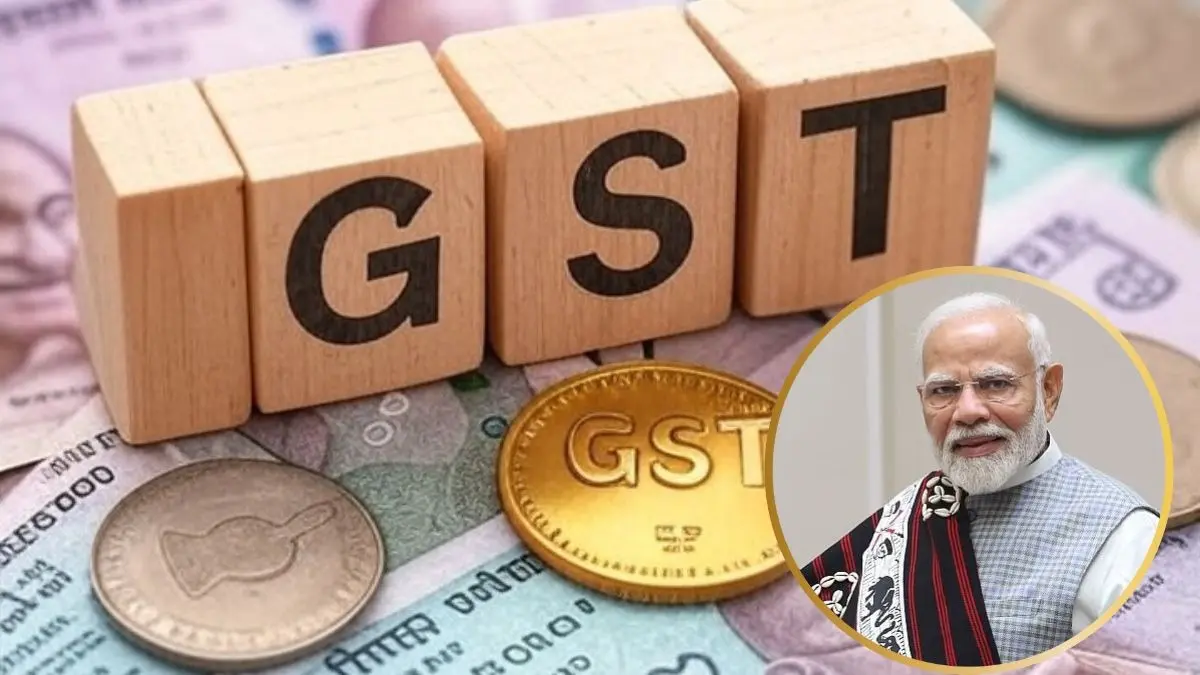
In a major step towards simplifying India’s indirect tax framework, the narendra Modi-led government is considering a revamp of the Goods and Services Tax (GST) structure, replacing the current four-slab system with just two standard rates of 5% and 18%, according to well-informed sources.
It has also been learnt from sources that the proposed change, which say could be rolled out by Diwali this year, is aimed at easing the :compliance burden” for businesses and reducing costs for consumers.
At present, GST is levied in four slabs — 5%, 12%, 18% and 28% — with a nil rate on essential food items. Daily-use products are taxed at 5%, while standard goods fall in the 12% bracket, and electronics and services are generally taxed at 18%. Notably, the highest slab of 28% applies to luxury and “sin” goods, such as high-end cars, tobacco, and aerated drinks.
Under the proposed structure, almost 99% of goods currently in the 12% slab would be shifted to the lower 5% rate. Likewise, close to 90% of goods and services presently taxed at 28% are expected to move to the 18% bracket. A special rate of 40% would remain for select luxury and sin products.
Also Read: ‘Double Diwali Gift’: PM Narendra Modi Announces Next-Gen GST Reforms From Red Fort | Republic World
According to highly placed sources, the finance ministry has already presented the proposal to the Group of Ministers (GoM) for review. The reclassification will group goods and services under ‘merit’ and ‘standard’ categories, with special rates reserved for a narrow list of items.
Industry officials believe the overhaul will make essential and aspirational goods more affordable, boosting consumption at a time when the economy is seeking stronger domestic demand. It is also expected to benefit small and medium enterprises by reducing compliance complexities and minimising classification disputes.
Additionally, the rationalisation aims to address inverted duty structures in certain sectors, which have long been a concern for industry players.
Advertisement
In his 79th Independence Day address from the iconic Red Fort, Prime Minister Narendra Modi laid out an ambitious roadmap for economic growth and structural reforms, raising hopes for what he called a “Double Diwali” this year. He pointed to recent changes in income tax regulations and assured citizens that far-reaching, next-phase GST reforms would be unveiled as a festive gift to the nation.