
India Proposes E85 and E100 Ethanol Rollout: What the Shift to Flex-Fuels Means for You
The Ministry of Road Transport and Highways has issued a landmark draft notification to formally incorporate E85 and E100 ethanol blends into the Central Motor Vehicles Rules. This regulatory leap aims to reduce India’s 90% dependence on oil imports by transitioning from the current E20 standard to high-concentration ethanol.
- Republic Business
- 2 min read

;'%3e%3cpath%20d='m8,15.99c4.41,0,7.99-3.58,7.99-7.99S12.41,0,8,0,0,3.59,0,8s3.58,7.99,7.99,7.99Z'%20style='stroke:%23fff;%20stroke-miterlimit:10;%20stroke-width:.02px;'/%3e%3cpath%20d='m3.08,3.37l3.82,5.11-3.84,4.15h.87l3.37-3.64,2.72,3.64h2.94l-4.04-5.39,3.58-3.87h-.86l-3.1,3.35-2.5-3.35h-2.94Zm1.27.64h1.35l5.97,7.99h-1.35l-5.97-7.99Z'%20style='fill:%23fff;'/%3e%3c/g%3e%3c/svg%3e)


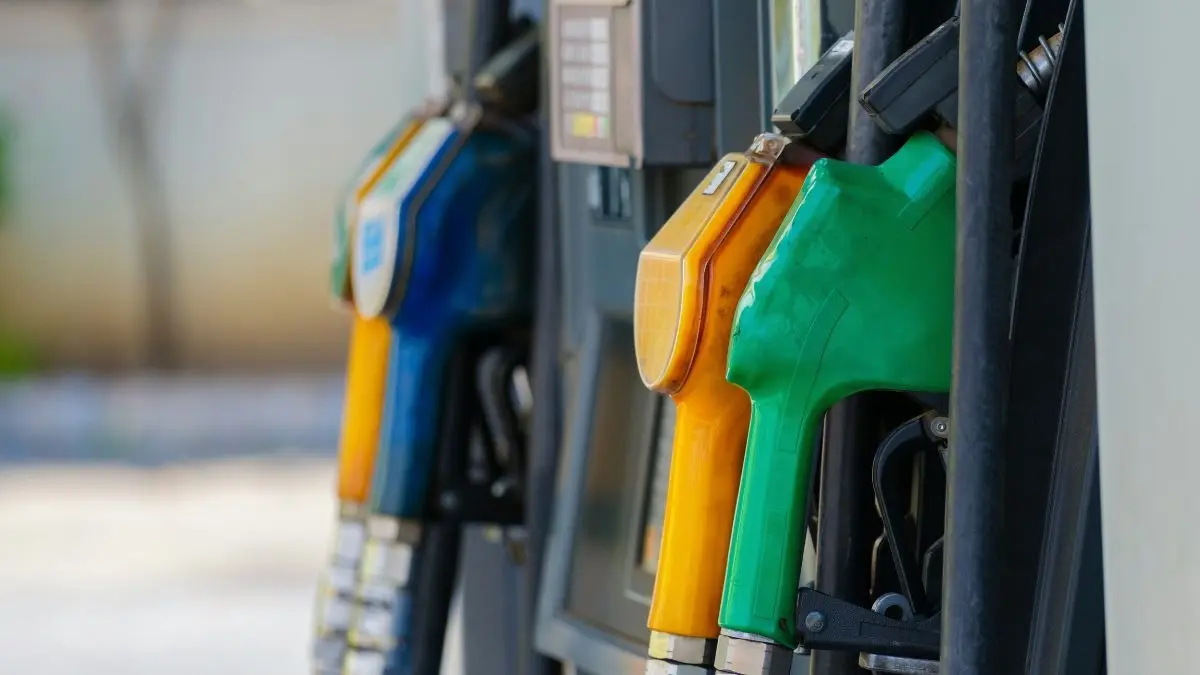
India is shifting its ethanol story. Late Tuesday, the government issued draft rules to formally introduce E85 (85% ethanol) and E100 (nearly pure ethanol) into the fuel mix. The move is the next phase of India’s energy strategy after achieving the nationwide E20 rollout on April 1, 2026.
Union Minister Nitin Gadkari has long talked about homegrown fuel to insulate the Indian economy from West Asia’s energy volatility. The draft notification updates technical fuel categories. It adds E85 and E100 to the regulatory framework. The government is also upgrading biodiesel references from B10 to B100. This means a total overhaul of alternative fuel standards.
What This Means for Petrol Users
For the average car or bike owner, the rollout brings choice regarding compatibility.
- Existing vehicles engineered for E10 or E20 cannot run on E85. High alcohol content is corrosive to standard seals, hoses, and fuel systems. This can potentially cause permanent engine damage.
- The government is pushing for Flex-Fuel Vehicles (FFVs). These engines feature specialized sensors that automatically adjust fuel injection and ignition based on the ethanol-petrol mix.
- Ethanol has a lower energy density than petrol. Data suggests a potential mileage drop of 27% to 30% when running on E100. However, lower fuel prices at the pump are expected to offset this for consumers.
Auto Industry
Automakers including Toyota, Maruti Suzuki, and Honda have already begun showcasing flex-fuel prototypes. Currently, the Honda CB300F FlexTech is the only compatible two-wheeler in the market, though Bajaj and TVS have multiple models in the pipeline. The government is also considering tax incentives to encourage buyers to switch to these more expensive flex-fuel engines.
Advertisement
Ethanol Surplus
Indian distillers currently have a capacity of 20 billion litres, while domestic demand sits at roughly 10 billion. Transitioning to higher blends will absorb this surplus, directly boosting the income of sugarcane and maize farmers who provide the raw materials for ethanol production.
The draft rules are now open for public comment for 30 days. Once finalized, E85 is expected to appear at select fuel stations as a separate grade alongside existing E20 dispensers.