
How Indian Markets Could React To RBI's Policy Call
The Reserve Bank of India's rate decision on Friday is expected to be one of the closest policy calls in recent memory, with rising oil prices, and a falling rupee pulling growth and inflation in opposite directions.
- Republic Business
- 3 min read

;'%3e%3cpath%20d='m8,15.99c4.41,0,7.99-3.58,7.99-7.99S12.41,0,8,0,0,3.59,0,8s3.58,7.99,7.99,7.99Z'%20style='stroke:%23fff;%20stroke-miterlimit:10;%20stroke-width:.02px;'/%3e%3cpath%20d='m3.08,3.37l3.82,5.11-3.84,4.15h.87l3.37-3.64,2.72,3.64h2.94l-4.04-5.39,3.58-3.87h-.86l-3.1,3.35-2.5-3.35h-2.94Zm1.27.64h1.35l5.97,7.99h-1.35l-5.97-7.99Z'%20style='fill:%23fff;'/%3e%3c/g%3e%3c/svg%3e)


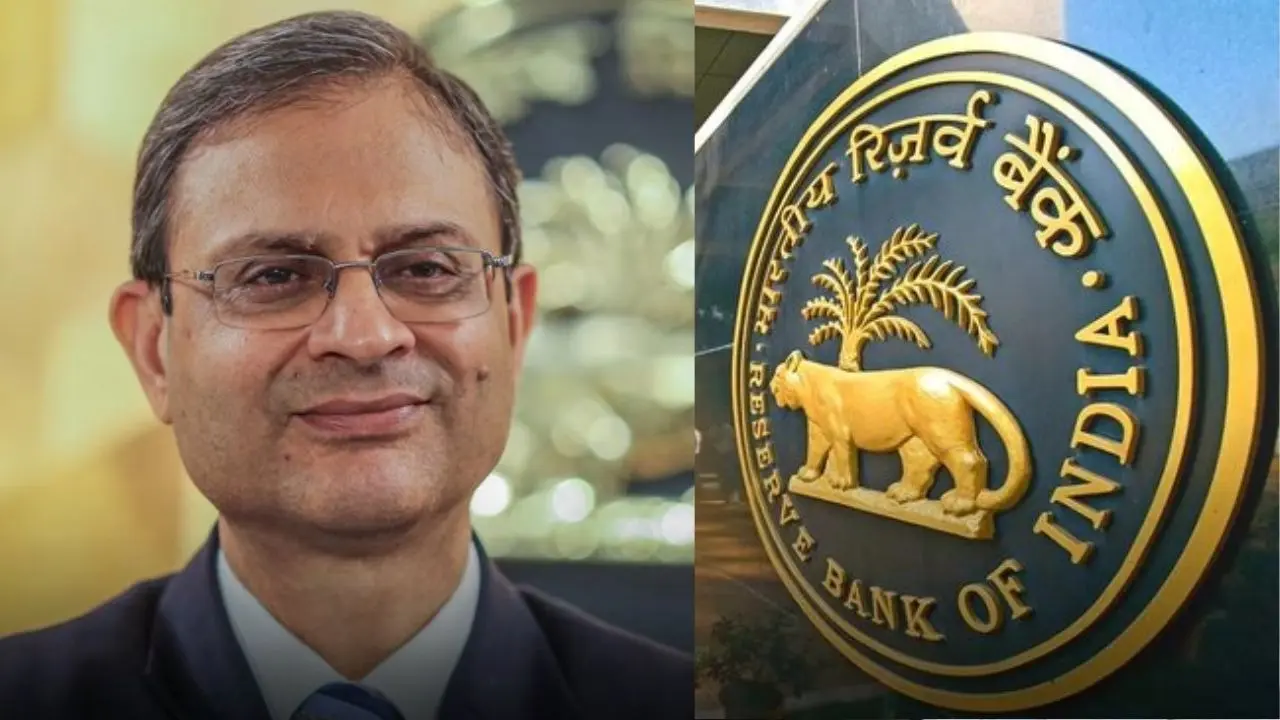
The Reserve Bank of India's rate decision on Friday is expected to be one of the closest policy calls in recent memory, with rising oil prices, a falling rupee and monsoon risks pulling growth and inflation in opposite directions.
While a majority of economists polled by Reuters expect the central bank to keep rates unchanged, some market indicators like overnight indexed swaps are already pricing in a rate hike.
Here are the scenarios being anticipated by traders and analysts and how they expect markets to behave in each case:
Rates On Hold; Hawkish Guidance
- The central bank can keep the policy repo rate unchanged but signal tighter monetary policy ahead by changing its stance to "withdrawal of accommodation" from "neutral" currently.
Advertisement
- If the central bank decides to keep rates unchanged, the rupee is likely to come under pressure. But traders expect interventions by the central bank to keep the reaction tempered.
- Short-tenor bonds will rally a bit while pressure on the longer end may persist amid concerns over inflation picking up down the line, said Dhiraj Nim, an FX and rates strategist at ANZ. Traders do not anticipate a move of more than 5 basis points in such a scenario.
Advertisement
- Indian equity markets may not react to a status quo on rates but upward revisions to inflation projections could reinforce expectations of policy tightening later in fiscal year 2026-27, Bhautik Ambani, CEO, AlphaGrep Mutual Fund said.
25 Basis Points Rate Hike, No Stance Change
- A 25 basis points rate hike is expected to be supportive of the rupee , signaling to the market the central bank is intensifying its defense of the currency.
- The yield on the 10 year sovereign bond is unlikely to cross 7.15% even if the repo rate is hiked by 25 basis points, three bond traders said.
- A rate hike is expected to lead to selling pressure in equity markets as rate-sensitive pockets such as real estate, financials and consumer discretionary could face valuation headwinds, AlphaGrep's Ambani added.
25 Basis Points Hike, Stance Change
- A rate hike accompanied by change in stance could be a bigger boost for the rupee by signaling further monetary tightening to come.
- Three foreign exchange traders said that a knee-jerk reaction in the rupee on rate hike and hawkish messaging may run into resistance near the 94.80 per dollar mark, but could extend if it is accompanied by additional measures to support rupee.
- The 10-year benchmark bond yield may jump to trade in 7.15%-7.20% band in near term, the bond traders said.
50 Basis Points Rate Hike
- An outsized 50 basis points rate hike would take markets by surprise and likely deliver the biggest boost to the rupee, among all alternatives. The FX traders cited earlier said the rupee could jump to 94 on an outsized hike.
- For the rates market though, it's expected to deliver a bigger jolt by pushing up short-tenor bond yields and sparking a sharper rise in near-tenor bond yields versus the long end.
- A 50 basis points hike would push the 10 year yield to at least 7.25%, the bond traders cited earlier said.
- Such a decision would lead to bear-flattening of yield curve, wherein short-term yields rise faster than long-term, but support the rupee, said Nagaraj Kulkarni, chief rates strategist - South Asia & Indonesia, and head - flows strategy at Standard Chartered Bank.
- An outsized rate hike would most likely also translate into chunky selling pressure on local stocks as equity investors adjust assumptions of risk-free returns.