
How Will 50% US Tariffs Impact Indian Exports To United States? Key Details
The US-India bilateral trade relations has taken a major blow after 50 per cent tariffs came into effect on Indian goods on Wednesday, August 27, 2025.
- Republic Business
- 3 min read

;'%3e%3cpath%20d='m8,15.99c4.41,0,7.99-3.58,7.99-7.99S12.41,0,8,0,0,3.59,0,8s3.58,7.99,7.99,7.99Z'%20style='stroke:%23fff;%20stroke-miterlimit:10;%20stroke-width:.02px;'/%3e%3cpath%20d='m3.08,3.37l3.82,5.11-3.84,4.15h.87l3.37-3.64,2.72,3.64h2.94l-4.04-5.39,3.58-3.87h-.86l-3.1,3.35-2.5-3.35h-2.94Zm1.27.64h1.35l5.97,7.99h-1.35l-5.97-7.99Z'%20style='fill:%23fff;'/%3e%3c/g%3e%3c/svg%3e)


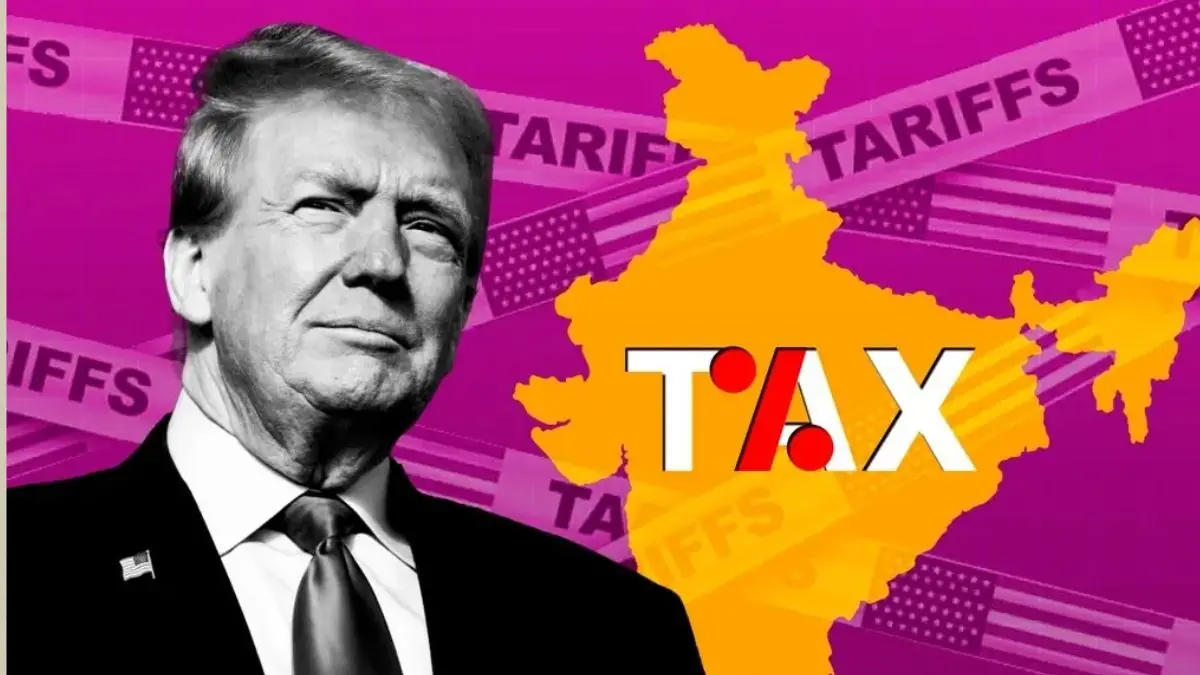
The US-India bilateral trade relations has taken a major blow after 50 per cent tariffs came into effect on Indian goods on Wednesday, August 27, 2025.
The additional US tariffs imposed where as a result of India's continued crude oil purchase from Russian oil after tariff on many products from India.
The total levy of 50 per cent is now imposed on Indian goods ranging from gems, jewellery, garments, footwear, sporting items, furniture, and chemicals.
The new tariffs threaten thousands of small exporters and jobs, including Gujarat.
Advertisement
The Ministry of Commerce did not immediately respond to a request for comment. However, a Ministry of Commerce official, speaking on condition of anonymity, said exporters hit by tariffs would receive financial assistance and be encouraged to diversify to markets such as China, Latin America and the Middle East, cititng Reuters report.
A U.S. Customs and Border Protection notice to shippers, opens new tab provides a three-week exemption for Indian goods that were loaded onto a vessel and in transit to the U.S. before the midnight deadline. These goods can still enter the U.S. at prior lower tariff rates before 12:01 a.m. EDT (0401 GMT) on September 17.
Advertisement
Also exempted are steel, aluminum and derivative products, passenger vehicles, copper and other goods subject to separate tariffs of up to 50% under the Section 232 national security trade law.
India trade ministry officials say the average tariff on U.S. imports is around 7.5%, while the U.S. Trade Representative's office has highlighted rates of up to 100% on autos and an average applied tariff rate of 39% on U.S. farm goods.
Indian Exporters Lag In Competetive Edge?
Exporter groups estimate hikes could affect nearly 55% of India's $87 billion in merchandise exports to the U.S., while benefiting competitors such as Vietnam, Bangladesh and China.
"The move will disrupt Indian exports to the largest export market," said S.C. Ralhan, president of Federation of Indian Export Organisations, noting about 55% of exports — including textiles, chemicals and leather - will face a 30–35% price disadvantage against competitors, citing a Reuters report.
The government should consider a one-year moratorium on banks loans for affected exporters, besides extending low-cost credit and easier availability of loans, he said.
Rajeswari Sengupta, an economics professor at Mumbai's Indira Gandhi Institute of Development Research, said allowing the rupee to "depreciate is one way to provide indirect support to the exporters" and regain lost competitiveness, citing a Reuters report.
Sustained tariffs at this rate could dent India's growing appeal as an alternative manufacturing hub to China for goods such as smartphones and electronics.
The U.S.-India standoff has raised questions about the broader relationship between India and the U.S., important security partners who share concerns about China.
However, on Tuesday the U.S. State Department and India's Ministry of External Affairs issued identical statements saying senior officials of the ministries and defense departments met virtually on Monday and expressed "eagerness to continue enhancing the breadth and depth of the bilateral relationship."
Both sides also reaffirmed their commitment to the Quad, a partnership that brings together the U.S. and India with Australia and Japan.