
India's Tata Motors Sees Firm Demand, Plans Price Hikes as Commodity Costs Rise
Tata Motors posts strong Q1 results, plans price hikes and cost cuts to offset rising commodity costs amid resilient demand.
- Republic Business
- 2 min read

;'%3e%3cpath%20d='m8,15.99c4.41,0,7.99-3.58,7.99-7.99S12.41,0,8,0,0,3.59,0,8s3.58,7.99,7.99,7.99Z'%20style='stroke:%23fff;%20stroke-miterlimit:10;%20stroke-width:.02px;'/%3e%3cpath%20d='m3.08,3.37l3.82,5.11-3.84,4.15h.87l3.37-3.64,2.72,3.64h2.94l-4.04-5.39,3.58-3.87h-.86l-3.1,3.35-2.5-3.35h-2.94Zm1.27.64h1.35l5.97,7.99h-1.35l-5.97-7.99Z'%20style='fill:%23fff;'/%3e%3c/g%3e%3c/svg%3e)


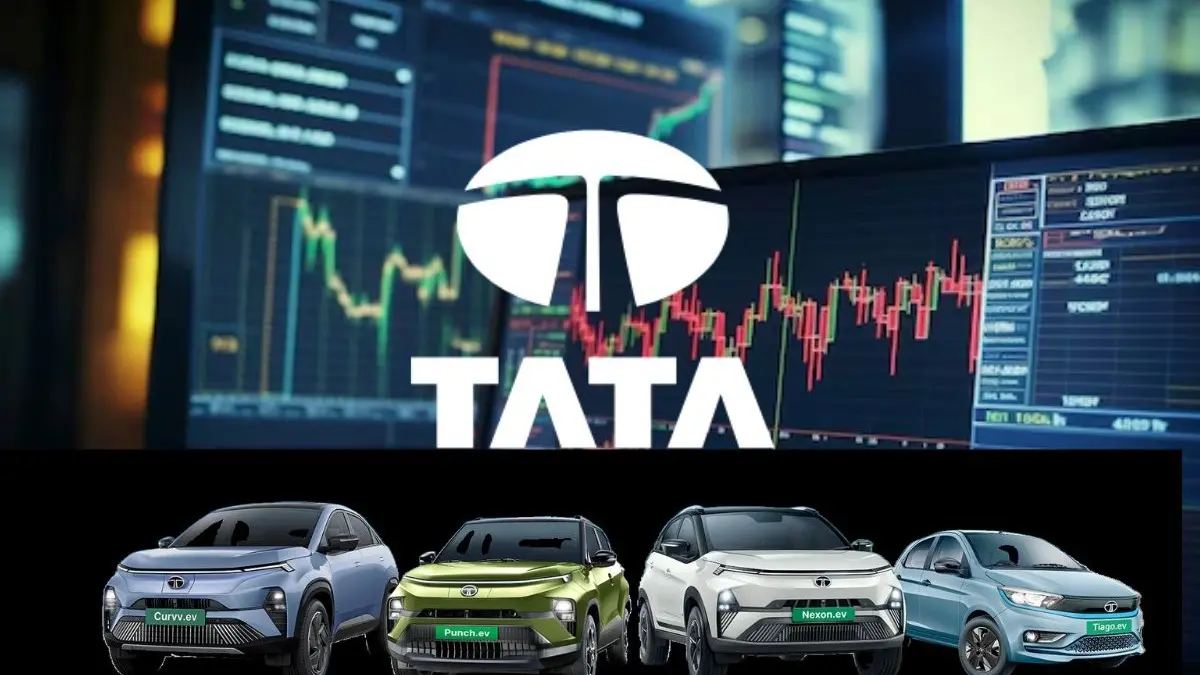
India's Tata Motors opens new tab on Wednesday said it expects demand to stay firm in the coming quarters, supported by higher-payload trucks, electric vehicles and a strong government order book, as it plans price hikes and cost cuts to counter rising commodity-related expenses.
Rising aluminium and steel prices, exacerbated by the Middle East crisis, have pressured vehicle makers to raise prices to offset higher input costs. Tata Motors has increased prices of its vehicles twice since April. The company said it expects to mitigate ongoing commodity inflation through pricing actions and cost-control measures, while easing supply constraints through targeted de-bottlenecking initiatives in the second quarter.
For the first quarter through June, it reported a profit of 15.28 billion rupees ($160.3 million), compared with 14.11 billion rupees a year earlier.
Total expenses jumped 23.6% to 176.68 billion rupees, compressing the company's core profitability margin by 60 basis points to 11.7%.
Advertisement
Still, demand for Tata Motors' commercial vehicles remained resilient during the quarter, aided by higher freight availability, infrastructure projects, and growth in e-commerce led logistics.
Revenue from operations rose 23.3% to 193.3 billion rupees in the three months ended June 30, the company said.
Advertisement
Domestic volumes rose 26% and exports rose 35% from a year earlier, with Tata Motors looking to generate demand in more international markets as the Middle East crisis disrupts trade flows, while it expects to ramp up deliveries under a large commercial vehicle order in Indonesia.
Tata Motors results came hours after group holding company Tata Sons' Chairman N. Chandrasekaran said that he will not seek reappointment at the end of his term amid concerns over insufficient support from the holding company's board.