
Rise in virtual mobile carriers as technology gains, profits become crucial
The rise of mobile virtual network operators, or MVNOs reflects a business model that is built on top of carriers’ infrastructure
- Republic Business
- 2 min read

;'%3e%3cpath%20d='m8,15.99c4.41,0,7.99-3.58,7.99-7.99S12.41,0,8,0,0,3.59,0,8s3.58,7.99,7.99,7.99Z'%20style='stroke:%23fff;%20stroke-miterlimit:10;%20stroke-width:.02px;'/%3e%3cpath%20d='m3.08,3.37l3.82,5.11-3.84,4.15h.87l3.37-3.64,2.72,3.64h2.94l-4.04-5.39,3.58-3.87h-.86l-3.1,3.35-2.5-3.35h-2.94Zm1.27.64h1.35l5.97,7.99h-1.35l-5.97-7.99Z'%20style='fill:%23fff;'/%3e%3c/g%3e%3c/svg%3e)


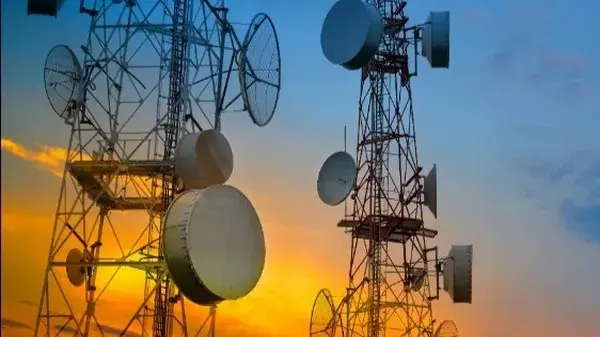
Mobile virtual network operators, or independent mobile services built on top of carriers’ infrastructure, are on the rise with high-profile investments and profitable exits.
In 2023, T-Mobile absorbed Ryan Reynold-backed Mint Mobile in a $1.35 billion-deal.
Open AI top boss Sam Altman’s “Ai Pin” startup Humane, on the other hand, has launched a MVNO compact device that costs subscribers $24 monthly.
The device comprises of a phone number, unlimited data and unlimited AI-powered queries.
Advertisement
New Phenomenon?
MVNOs have been on the rise since 1990 but the business model has seen a spike on the back of advances in network and cloud technologies, and huge shares in profits.
Marketing is also playing its role here, as brands are building direct relationships with ‘fans’ and giving a larger share of moneyshare than apps.
Advertisement
Notably, the global MVNO industry is estimated to garner $84 billion in market share with accelerating growth and a surge of over 40 per cent anticipated by 2029 to $116.8 billion.
James Gray, managing director at telecom industry consultancy Graystone Strategy told TechCrunch that the movement towards fully digital MVNOs and the launch of eSIMs has made it much easier and cost-effective to have an all-digital distribution strategy.
An e-SIM, according to Apple, is a digital SIM that allows you to activate a mobile data plan from your network provider without having to use a physical nano-SIM.
Indian Providers
Reliance Jio and Airtel support the technology in India.
MVNOs entered India in 2017 with the launch of broadband and international calling services in Tamil Nadu and Puducherry. Aerovoyce was selected among 80 applicants to the Department of Telecommunications.
But MVNO services in India does not look straightforward as they must find a different network partner for each type of service, and the highly competitive telecom landscape in India.