
Updated 27 January 2024 at 14:10 IST
Vulcan Rocket debut marks challenge to SpaceX dominance
The Pentagon, concerned about reliance on a single launch provider, views Vulcan as a strategic alternative for national security missions.
- Republic Business
- 2 min read

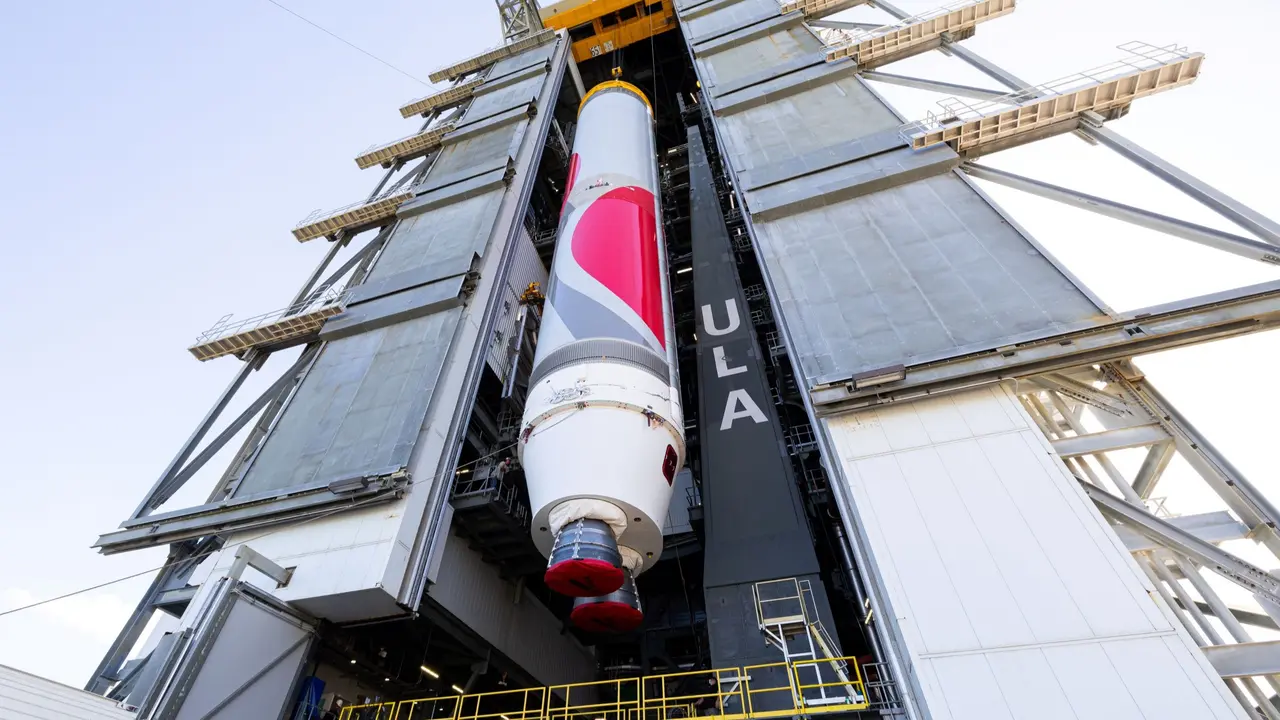
The inaugural launch of the Vulcan rocket by a joint venture between Boeing and Lockheed Martin, United Launch Alliance (ULA), signals a major challenge to SpaceX's dominance in the space launch market.
The event, which occurred on Monday, represents a pivotal moment for the US government's efforts to diversify its satellite launch suppliers.
Although the payload, a privately funded moon lander, encountered technical issues and did not complete its mission, the successful launch from Florida underscores ULA's capability to compete with SpaceX.
Caleb Henry, a space analyst at Quilty Analytics, believes that ULA's Vulcan rocket could disrupt SpaceX's virtual monopoly over space launches if it demonstrates scalability and rapid launch capabilities.
Advertisement
The Pentagon, concerned about reliance on a single launch provider, views Vulcan as a strategic alternative for national security missions. With a starting price of approximately $110 million per launch, Vulcan offers a more cost-effective option compared to its predecessor, the Atlas V, and SpaceX's Falcon 9.
ULA and SpaceX are engaged in fierce competition for national security missions. In 2020, the Pentagon awarded ULA 60 per cent of its national security launches through 2027, with SpaceX securing the remainder. The Pentagon's forthcoming launch procurement will present both companies with further challenges.
Advertisement
Vulcan boasts impressive capabilities, with the ability to deploy up to 60,000 pounds of satellites in low Earth orbit.
ULA plans to increase production of Vulcan rockets to 25 annually by late 2025 and is exploring innovative strategies such as engine reuse to enhance cost efficiency.
Blue Origin's involvement in supplying Vulcan's engines represents a notable shift away from reliance on Russian-made engines, which became a security concern following geopolitical tensions.
ULA's future plans include implementing engine reuse strategies and ongoing upgrades to Vulcan to maintain competitiveness in the evolving space launch market.
As ULA advances its Vulcan program, its collaboration with companies like Amazon for projects such as the Kuiper satellite initiative will play a crucial role in shaping the future of space exploration and satellite deployment.
(With Reuters Inputs)
Published By : Tanmay Tiwary
Published On: 27 January 2024 at 09:42 IST