
RBI To Roll Out India's First Polymer Rs 10, Rs 20 Currency Notes at Start of Next Financial Year
The Reserve Bank of India will introduce plastic Rs 10 and Rs 20 notes at the start of FY28, marking a significant shift in currency management. The pilot aims to enhance durability and production capacity, with extensive field testing planned.
- Republic Business
- 2 min read

;'%3e%3cpath%20d='m8,15.99c4.41,0,7.99-3.58,7.99-7.99S12.41,0,8,0,0,3.59,0,8s3.58,7.99,7.99,7.99Z'%20style='stroke:%23fff;%20stroke-miterlimit:10;%20stroke-width:.02px;'/%3e%3cpath%20d='m3.08,3.37l3.82,5.11-3.84,4.15h.87l3.37-3.64,2.72,3.64h2.94l-4.04-5.39,3.58-3.87h-.86l-3.1,3.35-2.5-3.35h-2.94Zm1.27.64h1.35l5.97,7.99h-1.35l-5.97-7.99Z'%20style='fill:%23fff;'/%3e%3c/g%3e%3c/svg%3e)


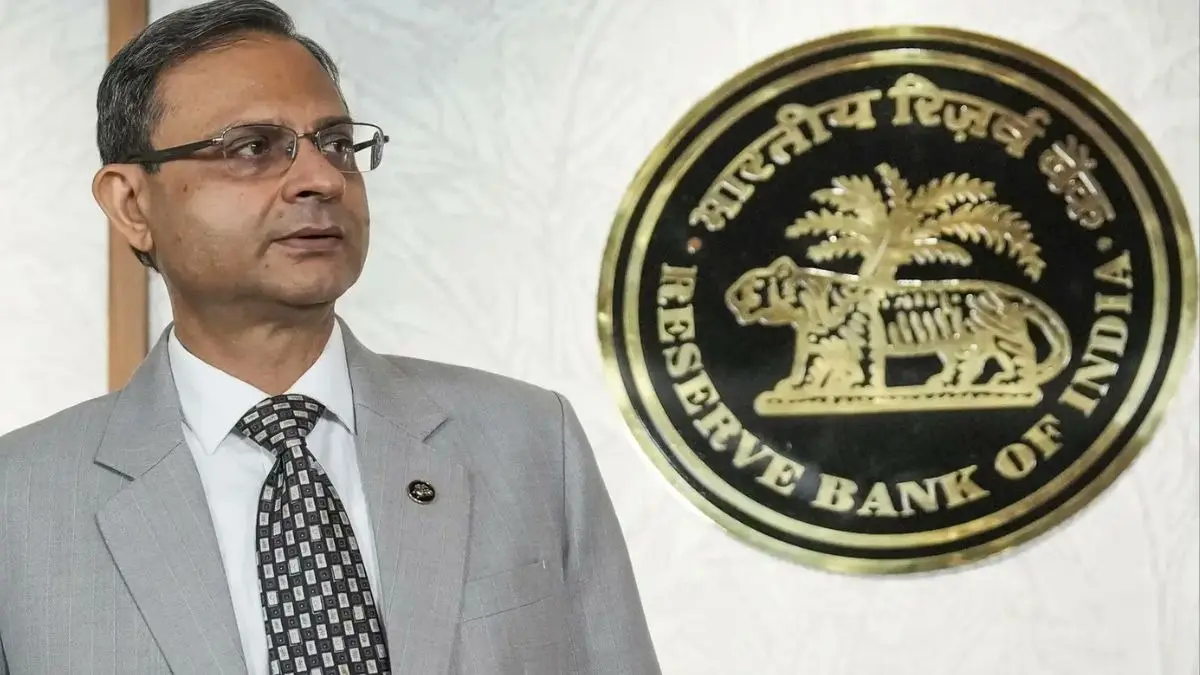
New Delhi: The Reserve Bank of India (RBI) is set to introduce India's first polymer, or "plastic", currency notes at the beginning of financial year 2028, with Rs 10 and Rs 20 denominations leading the pilot rollout.
The move marks a major shift in India's currency management strategy, aimed at improving the durability of banknotes and expanding the country's currency production capacity.
Announcing the timeline after the Monetary Policy Committee (MPC) meeting, RBI Governor Sanjay Malhotra said the project has reached the pilot stage and that the initial circulation will focus on lower denomination notes, which experience the highest frequency of use and wear.
"Polymer notes have two purposes. One, it enhances the durability. This is relevant especially for the lower denominated notes with higher velocity. These notes have been in circulation for more than 30 years in various countries, and one finds that the life is much more, around two to four times the life of the paper currency," Malhotra said.
Advertisement
He added that the second objective is to "expand our capacity as the needs of the economy increase."
According to the RBI, the polymer notes will first undergo extensive field testing to evaluate their durability and adaptability to India's varied climatic conditions before a wider rollout is considered. The central bank said the decision to expand the programme will depend on the outcome of these pilot trials.
Advertisement
The Centre has approved the printing of two billion polymer notes for the pilot phase, and the RBI has already floated a tender to procure the specialised polymer substrate required for their production.
Unlike conventional cotton-based paper notes, polymer banknotes are more resistant to moisture, dirt and tearing, making them significantly more durable.
RBI estimates they can last two to four times longer than paper currency, reducing replacement costs over time. The new material can also accommodate advanced security features, making counterfeiting more difficult.
Polymer currency has already been adopted in several countries, including Australia, Canada and the United Kingdom. India had earlier explored the idea over a decade ago, but the proposal did not move beyond the trial stage.
The upcoming FY28 rollout represents the country's first large-scale pilot for polymer currency.