
Indian Rupee Hits Fresh All-Time Low of 96.45 vs Dollar as Crude Spikes to $111
The Indian rupee hit a new historic low of 96.45 against the US dollar in Tuesday's session. The rapid slide marks a fifth consecutive session of losses for the domestic unit. It is driven by surging Brent crude oil prices, aggressive foreign fund outflows, and a strong greenback.
- Republic Business
- 2 min read

;'%3e%3cpath%20d='m8,15.99c4.41,0,7.99-3.58,7.99-7.99S12.41,0,8,0,0,3.59,0,8s3.58,7.99,7.99,7.99Z'%20style='stroke:%23fff;%20stroke-miterlimit:10;%20stroke-width:.02px;'/%3e%3cpath%20d='m3.08,3.37l3.82,5.11-3.84,4.15h.87l3.37-3.64,2.72,3.64h2.94l-4.04-5.39,3.58-3.87h-.86l-3.1,3.35-2.5-3.35h-2.94Zm1.27.64h1.35l5.97,7.99h-1.35l-5.97-7.99Z'%20style='fill:%23fff;'/%3e%3c/g%3e%3c/svg%3e)


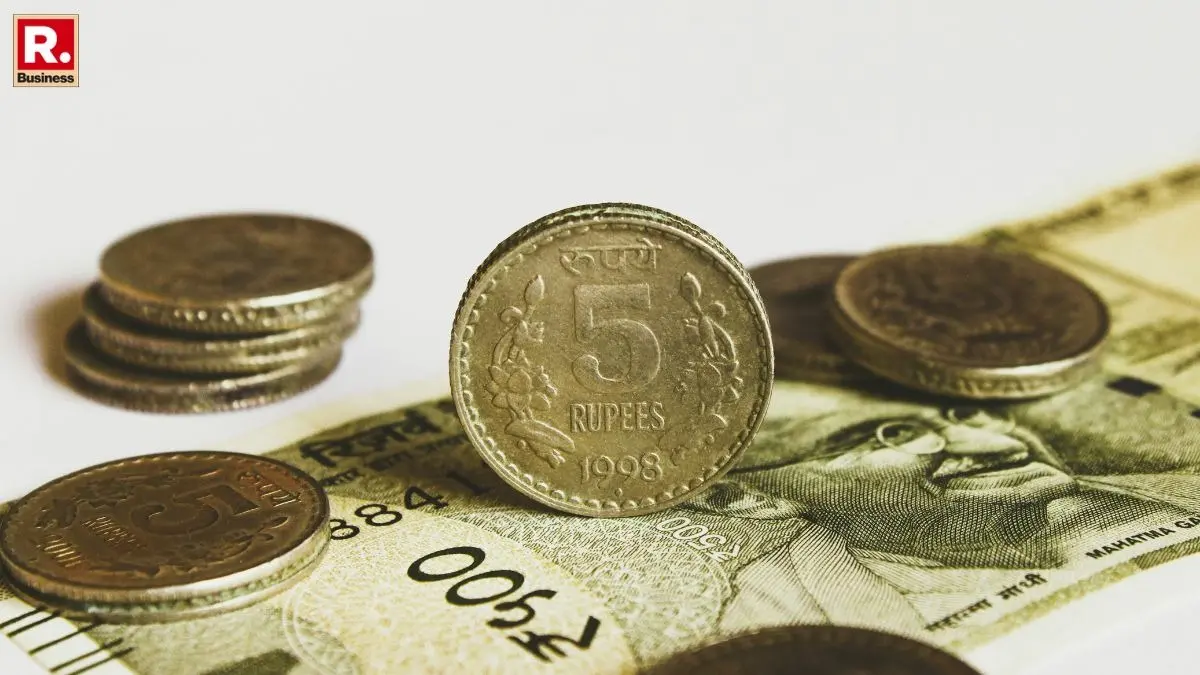
The Indian rupee nose-dives to a fresh all-time low of 96.45 against the US dollar. Relentless crude oil spikes and massive FII equity outflows continue to intensify pressure on the domestic currency.
Global energy supply anxieties have escalated significantly. Brent crude futures jumped past $111 per barrel following renewed conflict triggers in West Asia. For India, which imports nearly 85% of its crude requirements, this surge dramatically expands the trade deficit and drives import-led inflation.
Capital Exit Weighs
Concurrently, the US Dollar Index hovered near a formidable 99.30 level. Strong macroeconomic data out of Washington has systematically cooled expectations for aggressive Federal Reserve interest rate cuts. This factor keeps US Treasury yields elevated, drawing capital away from emerging markets.
Foreign Institutional Investors (FIIs) have maintained a steady selling streak in the domestic equity and debt spaces, rapidly converting their assets back into greenbacks. On the domestic front, the BSE Sensex plummeted over 800 points, compounding the bearish sentiment.
Advertisement
Contract and Intervention
Forex traders reported that the Reserve Bank of India (RBI) actively stepped into the interbank market. State-run banks aggressively liquidated dollars in the 96.40 zone to prevent a structural currency freefall.
Furthermore, the government has moved to curb non-essential imports. It recently hiked customs duties on precious metals to 15% and put silver under a strict licensed regime to conserve foreign exchange. Despite India’s comfortable $696 billion forex reserves cushion, analysts warn that the local unit remains highly vulnerable unless tensions ease across the Strait of Hormuz.