
The Strait of Hormuz Crisis: What Does It Mean For Global Economy, Markets & India?
Nearly 20% of the world's oil supply passes through the Strait of Hormuz. In the previous year, 20 million barrels of crude oil, and condensate and fuel passed through the strait every day last year, as per a Reuters report.
- Republic Business
- 2 min read

;'%3e%3cpath%20d='m8,15.99c4.41,0,7.99-3.58,7.99-7.99S12.41,0,8,0,0,3.59,0,8s3.58,7.99,7.99,7.99Z'%20style='stroke:%23fff;%20stroke-miterlimit:10;%20stroke-width:.02px;'/%3e%3cpath%20d='m3.08,3.37l3.82,5.11-3.84,4.15h.87l3.37-3.64,2.72,3.64h2.94l-4.04-5.39,3.58-3.87h-.86l-3.1,3.35-2.5-3.35h-2.94Zm1.27.64h1.35l5.97,7.99h-1.35l-5.97-7.99Z'%20style='fill:%23fff;'/%3e%3c/g%3e%3c/svg%3e)


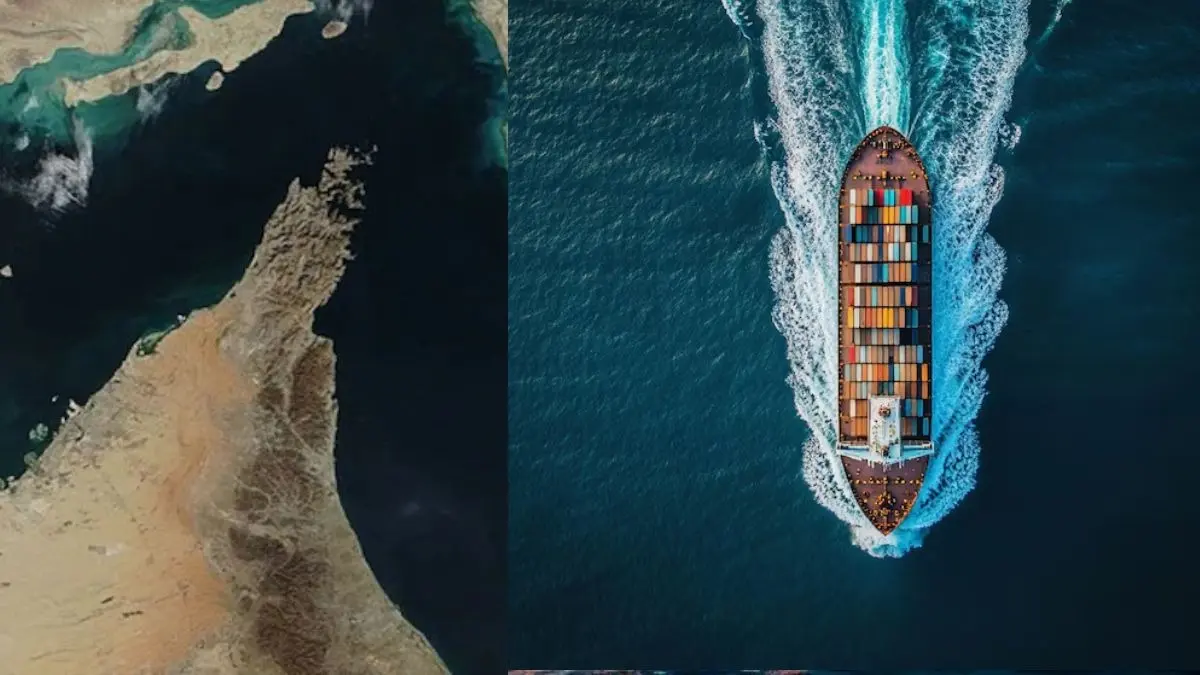
Amid the ongoing Israel-US conflict with Iran, concerns over how this would impact the world's seaborne oil trade flows and liquified natural gas supply that passes through Strait of Hormuz have further escalated.
The Strait of Hormuz, which lies between Oman and Iran, is considered a vital international waterway for global shipping activities. The United Arab Emirates (UAE) also lies close to this shippng route.
While Lloyd recorded only 19 vessel transits on March 1 as against 100 on a regular day, the same trend was visible when it came to supertankers. On March 1, only four super tankers transited as compared to the usual 22.
Why Does Strait Of Hormuz Matter To global economy?
Nearly 20% of the world's oil supply passes through the Strait of Hormuz. In the previous year, 20 million barrels of crude oil, andcondensate and fuel passed through the strait every day last year, as per a Reuters report.
Advertisement
Meanwhile, Qatar, one of the world’s largest LNG exporters, transports almost all of its gas through this route.
In 2025, the Strait of Hormuz was the world's second-busiest oil shipping chokepoint, handling about 2.5 million metric tonnes of oil daily, second only to the Strait of Malacca handled more, at around 3.3 million metric tonnes per day.
Advertisement
Why Strait of Hormuz Matters To India?
If the Strait of Hormuz were to be blocked, global oil and gas supplies would be severely disrupted, crude oil prices are expected to further surge; shipping insurance costs would increase and Asian nations heavily reliant on energy imports would be under pressure.
Analyst noted that for every USD 1 increase in crude raises India's annual import bill by approximately USD 2 billion.
JM Financial noted that prolonged tensions may raise logistics and marine insurance costs, disrupt Gulf shipping routes and put pressure on the trade balance.
If the Strait of Hormuz remains open and traffic normalises, the price spike could remain short-lived. But if disruption continues for several weeks, the impact could be deeper, affecting fuel prices, inflation, currency stability globally.