
Updated 8 July 2025 at 10:42 IST
Trump’s tariff Blitz: Why Countries Like Indonesia, Cambodia And Bangladesh Are Bearing The Brunt Of US Tariffs
US President Donald Trump’s latest tariff offensive has targeted developing Asian economies with steep duties ranging from 25% to 40%. As the 90-day negotiation deadline shifts to August, key manufacturing hubs like Indonesia, Cambodia, and Bangladesh face economic pressure. Here's a breakdown of who’s hit hardest and why.
- Republic Business
- 4 min read

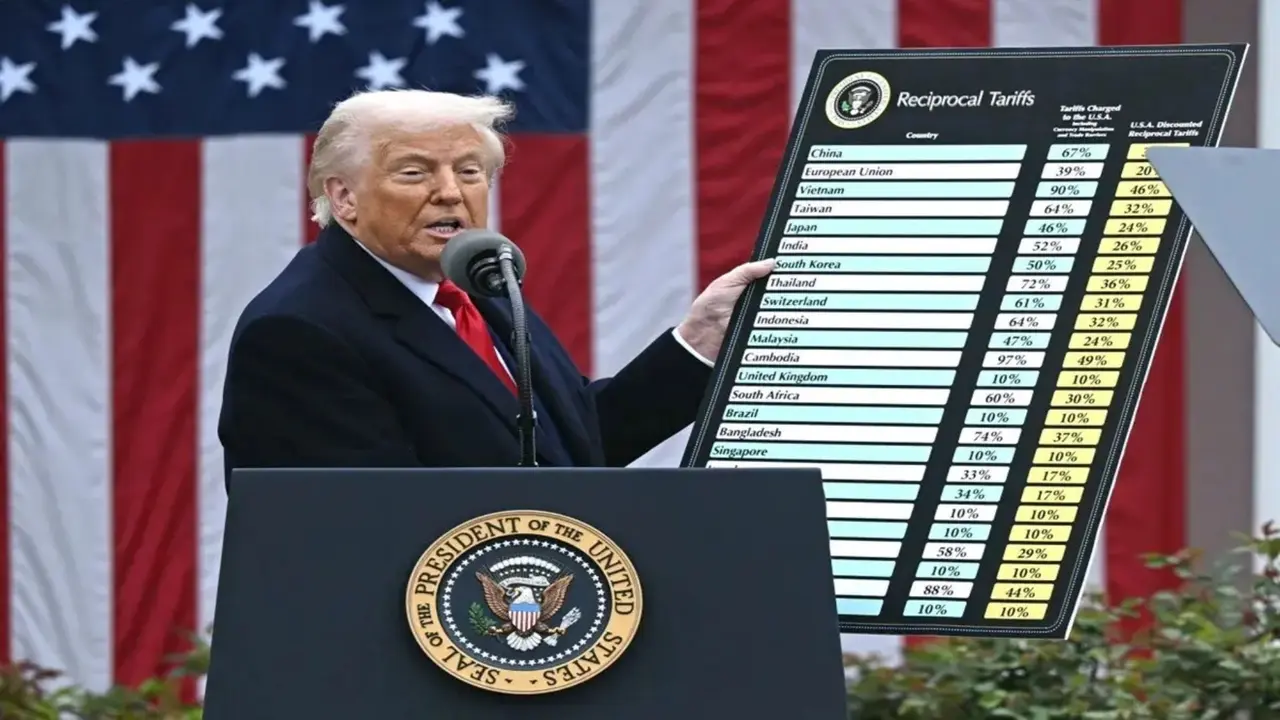
The Trump administration’s sweeping tariff push, touted as the biggest US tariff escalation in nearly a century has sparked alarm across global markets and diplomatic circles.
While nations scramble to reach last-minute trade agreements ahead of an August deadline, a closer look reveals one key pattern: developing Asian countries are being hit hardest.
From Indonesia to Myanmar, new US tariff rates ranging from 25% to 40% have been announced, threatening the economic stability of several export-driven economies. With just two trade deals secured out of a possible 90, the global trading community remains on edge.
What Triggered the Latest Round of Tariffs?
US President Donald Trump has reignited his tariff campaign under the “reciprocal trade” doctrine first introduced in April.
The framework aims to impose equivalent or higher tariffs on countries the US believes are enjoying unfair trade advantages. Initially delayed by 90 days to allow for trade negotiations, the rollout has now been extended to 1 August.
But with only two agreements signed one with the UK and another with Vietnam most nations are bracing for impact.
In a letter sent to 14 countries, the White House outlined that if no deal is struck before August, punitive tariffs ranging from 25% to 40% would be implemented. Trump also warned that countries trying to circumvent the tariffs by rerouting goods via third nations could face further penalties.
Which Countries Are Affected and How Badly?
The list of targeted nations reads like a map of the developing world, with a striking concentration in Asia. Here’s a breakdown of some of the harshest tariff hikes:
Laos & Myanmar: 40%
Cambodia & Thailand: 36%
Bangladesh: 35%
Indonesia: 32%
Malaysia, Tunisia, Kazakhstan, South Africa, Bosnia and Herzegovina: 30%
Japan: 26% (up from 25% previously announced)
South Korea: 25%
Advertisement
Smaller manufacturing economies such as Laos and Myanmar, already grappling with domestic instability, are now facing unprecedented tariff burdens. Bangladesh, a top garment exporter, risks severe disruption in its textile sector.
According to analysts, countries with close economic ties to China or those with major export footprints in the US have been penalized the most.
Why Are Asian Countries Targeted So Heavily?
The rationale, as per the Trump administration, lies in so-called “unfair trade deficits”—a situation where countries export significantly more to the US than they import.
However, trade economists argue this logic is outdated. Many Asian countries serve as manufacturing hubs for global supply chains, and penalizing them doesn’t necessarily rectify the US’s trade deficit. Instead, it could backfire by increasing prices for American consumers.
Some experts suggest this is part of Trump’s broader strategy to isolate China. By targeting nations with Chinese investments and trade dependencies, the US could be attempting to weaken Beijing’s regional influence.
Read More - Stock Market Today: Nifty, Sensex Flat Amid Trump Tariffs
Market Fallout and Corporate Concerns
Wall Street reacted swiftly and sharply. The S&P 500 dropped 0.8%, marking its worst performance in three weeks. Japanese auto giants were hit especially hard—Toyota shares fell 4%, and Honda lost 3.9% in US trading.
Currency markets also reflected the turmoil, with the US dollar recording its worst half-year performance in over five decades.
Asian markets—heavily dependent on exports—have been rattled. Exporters in sectors like apparel, automotive, and electronics are facing rising uncertainty, compounded by inflationary pressures.
Where Do Trade Talks Stand?
Out of the 90 trade deals Trump aimed to strike in as many days, only two have materialized:
UK – Signed on 8 May, the agreement features a 10% tariff on most goods, excluding steel and aluminium which will face no duties.
Vietnam – Finalized just last week, it reportedly sets a 20% tariff on Vietnamese exports. However, no public text has been released.
India - As the July 9 tariff pause deadline looms, US Treasury Secretary Scott Bessent has expressed optimism about reaching trade deals with several countries, including India
The EU is reportedly racing to secure a deal by Wednesday, while South Korea’s president has convened emergency sessions. The country’s trade ministry has pledged to use the extended deadline to negotiate “mutually beneficial results.”
White House Press Secretary Karoline Leavitt said during a briefing that Trump was “close” to finalizing several other deals but added, “he wants to ensure these are the best deals possible.”
What's Next?
With the extended deadline now set for 1 August, a rush of high-stakes trade diplomacy is expected. More countries are likely to receive tariff warnings this week.
As Trump tightens his grip on trade ahead of the 2026 election cycle, the geopolitical and economic costs of his tariff-first strategy are becoming more visible. Whether it results in “better deals” or global trade fragmentation remains the critical question.
Advertisement
(With Inputs From WSJ)
Published By : Gunjan Rajput
Published On: 8 July 2025 at 10:39 IST