
Why India's Oil & Gas Explorers Expect Supernormal Earnings Amid Iran War
ONGC and Oil India benefit directly from higher crude realized prices, EBITDA, and cash flows rise, subject to any upstream windfall taxes or “burden-sharing” obligations.
- Republic Business
- 2 min read

;'%3e%3cpath%20d='m8,15.99c4.41,0,7.99-3.58,7.99-7.99S12.41,0,8,0,0,3.59,0,8s3.58,7.99,7.99,7.99Z'%20style='stroke:%23fff;%20stroke-miterlimit:10;%20stroke-width:.02px;'/%3e%3cpath%20d='m3.08,3.37l3.82,5.11-3.84,4.15h.87l3.37-3.64,2.72,3.64h2.94l-4.04-5.39,3.58-3.87h-.86l-3.1,3.35-2.5-3.35h-2.94Zm1.27.64h1.35l5.97,7.99h-1.35l-5.97-7.99Z'%20style='fill:%23fff;'/%3e%3c/g%3e%3c/svg%3e)


Amid the Middle East crisis, India's exploration and production firms in the upstream sector are expected to be supported tightening global supply of key transportation fuels such as Gasoil, Gasoline and ATF as they in turn would keep product cracks elevated and support strong GRMs.
Upstream Majors Oil India, ONGC Stand To Gain
Higher crude prices are supportive for India’s upstream exploration and production companies as crude realizations are directly linked to international oil benchmarks.
Under a case scenario, where oil prices persist above $90 per barrel of crude oil, ONGC and Oil India benefit directly from higher crude realized prices, EBITDA, and cash flows rise, subject to any upstream windfall taxes or “burden-sharing” obligations.
With production costs relatively stable, rising crude prices translate into strong operating leverage, improving profitability and cash flow generation. This enables companies to fund exploration and development activities, strengthen balance sheets, and maintain stable dividend payouts.
Advertisement
Will The Surging Freight Costs Pose A Risk To Upstream Oil & Gas Firms?
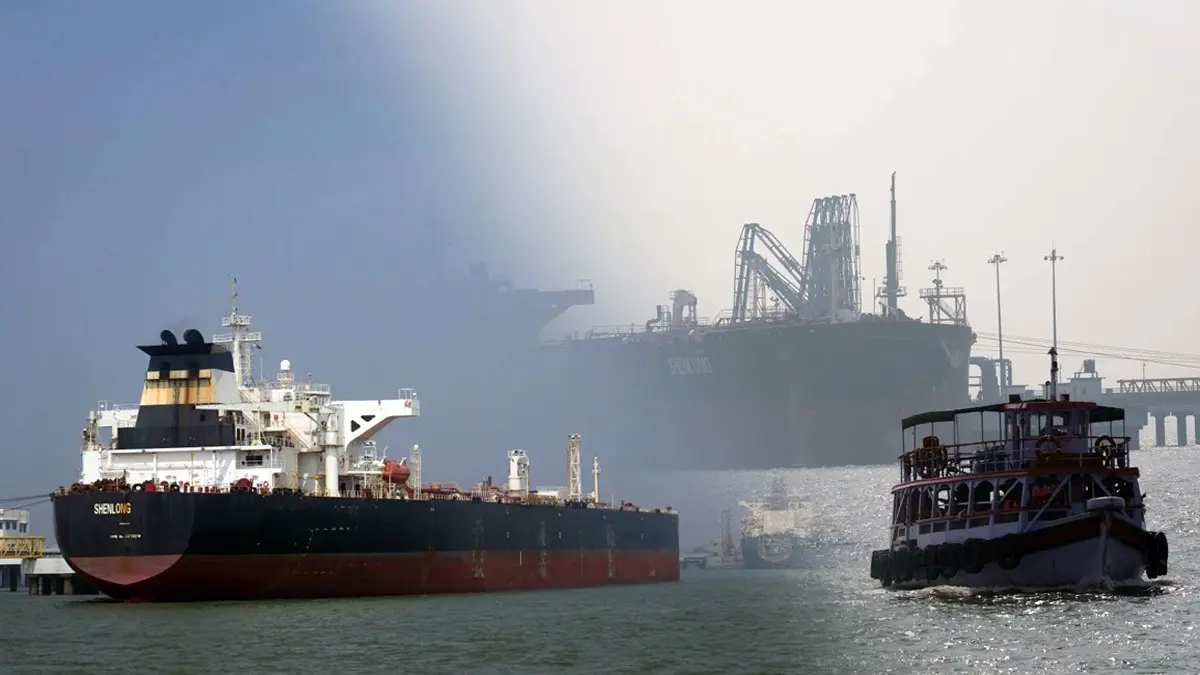
Currently, the global crude tanker markets are witnessing increased volatility due to shifting trade flows and geopolitical tensions. Rising security risks around key chokepoints such as the Strait of Hormuz and continued avoidance of the Red Sea and Suez Canal have lengthened shipping routes and tightened vessel availability.
Advertisement
This has pushed freight rates higher across tanker segments, increasing transportation costs for oil companies. While normalization of shipping routes could ease freight pressures over time, near-term freight markets are expected to remain firm amid ongoing geopolitical uncertainty.
Meanwhile, Refinery utilization is likely to remain robust above ~95-100%, aided by diversified crude sourcing and steady domestic demand. Global refined product availability may tighten further following India’s export curbs and China’s move to curb exports of gasoline, diesel, and jet fuel, potentially widening regional supply deficits and reinforcing the current refining upcycle.
However, policy dynamics remain a key variable, with discussions around a possible cap on Refinery Transfer Prices (RTP) amid rising crude prices to limit marketing losses if retail fuel prices remain unchanged. Such measures have historically been used during periods of crude volatility, though refiners have preferred to export.