
After Hormuz Blockade, Trump’s Iron Gate Tasked To Choke Tehran’s Northern Escape Through Roads And Railways
The US has created Task Force Iron Gate to disrupt Iran's land and Caspian Sea routes for weapons, technology and sanctioned goods as the naval blockade tightens.
- Global News
- 4 min read


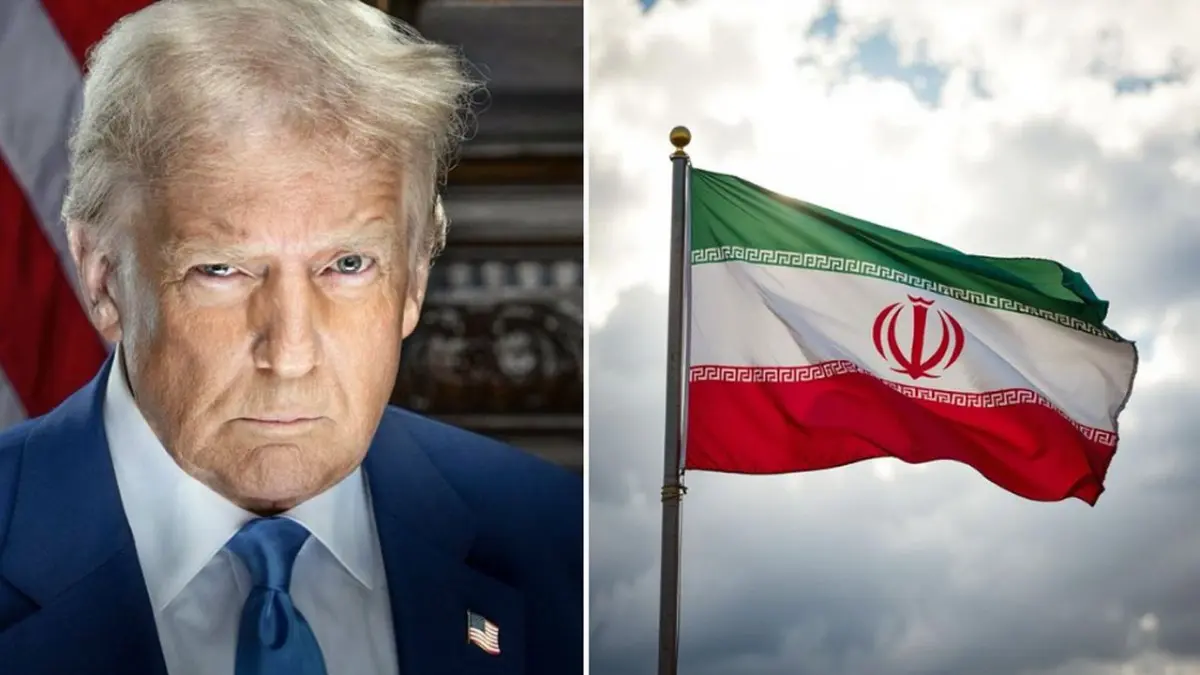
Tehran: The United States has tried for months to seal Iran off from the sea, stopping tankers from reaching or leaving the Iranian ports and turning the nation's maritime trade into a near-impossible gamble. However, Washington believes that Tehran is simply finding another way out, and that not by water in the south, but by road, rail and water in the north. The American belief also means that the pressure is moving inland.
On Saturday, US Central Command (CENTCOM) announced a new unit designed to tackle exactly that change, which has been named Task Force Iron Gate, a small team of around 20 civilian and military staff who will operate out of Florida's Tampa under the orders of CENTCOM commander Admiral Brad Cooper.
As per reports, the task force will not work alone, and it is meant to pull together other parts of the American government. The task force has been assigned to follow and interrupt the flow of advanced weapons systems, dual-use technologies, sanctioned material and allegedly illegal revenue streams.
In announcing the move, Cooper framed the new unit as a natural extension of the operation, which is already happening at sea. "The establishment of Task Force Iron Gate reinforces the success of our ironclad blockade against Iran at sea…….Strengthening CENTCOM's collaboration with US interagency partners will further constrain Iran's ability to finance terrorism, rebuild weapons factories, and replenish their military," he said. In other words, the sea blockade was only the first half of the plan.
Advertisement
Why Land Routes Now Matter So Much
Closing ports does not close a country, and Iran is a good example of that. Notably, Iran shares land frontiers with Turkey, Iraq, Pakistan, Afghanistan, Armenia, Azerbaijan and Turkmenistan, and to the north it also touches the Caspian Sea, opening another trading corridor towards Russia and beyond.
Iran's web of connections has grown more valuable as the American naval blockade has bitten harder. The CENTCOM stated that the blockade has already stopped Iran from exporting over 25 billion US dollars' worth of crude oil in recent months.
Advertisement
Tehran has been searching for workarounds, as China, Iran's largest trading partner, has increasingly relied on overland routes, including rail links running through Central Asia. Also, Iran has kept up substantial commercial ties with Russia across the Caspian. In such a situation, the danger for Washington becomes clear, as components for weapons, dual-use equipment and other restricted goods that cannot easily arrive by sea might instead slip in through a neighbouring state and travel overland. This is why the Iron Gate has been created to make that kind of journey far harder.
Caspian Link To Russia
Through the Caspian Sea, Iran's northern shoreline gives it direct water access to Russia and to the other Caspian states, while Tehran lies relatively close to the southern Caspian coast. The proximity makes the region a vital bridge between Iran and the northern partners.
The CENTCOM was explicit that the task force would not be confined to conventional border crossings. It asserted that the Iron Gate would concentrate on movements across both Iran's land borders and the Caspian Sea, a signal that Washington wants to watch an entire network rather than chase individual lorries or checkpoints.
Hormuz Still Remains At The Centre
Notably, all of the developments occurring while the Strait of Hormuz remains the sharpest flashpoint of the tension. The narrow passage between Iran and Oman is one of the most crucial oil routes, linking the Persian Gulf to the Gulf of Oman and the wider Arabian Sea. Iran's geography, coastal missile systems, naval forces and military presence around key islands have long given it the ability to threaten shipping in and around the strait.
In the current standoff, Tehran has used that position to put pressure on commercial vessels, while Washington has imposed a naval blockade around Iranian ports. Therefore, the contest is about far more than military targets, with control over what moves through Hormuz and over what moves across Iran's northern borders becoming a central part of a much broader economic and strategic struggle.