
'Bibi', 'Goat' And 'Cow': Taliban Erase Afghan Women's Names From Official Records In Balkh
The Taliban have reportedly ordered officials and healthcare workers in Afghanistan's Balkh province to replace women's names with 'Bibi' in official and medical records, with some women allegedly referred to as 'goat' and 'cow'.
- Global News
- 4 min read


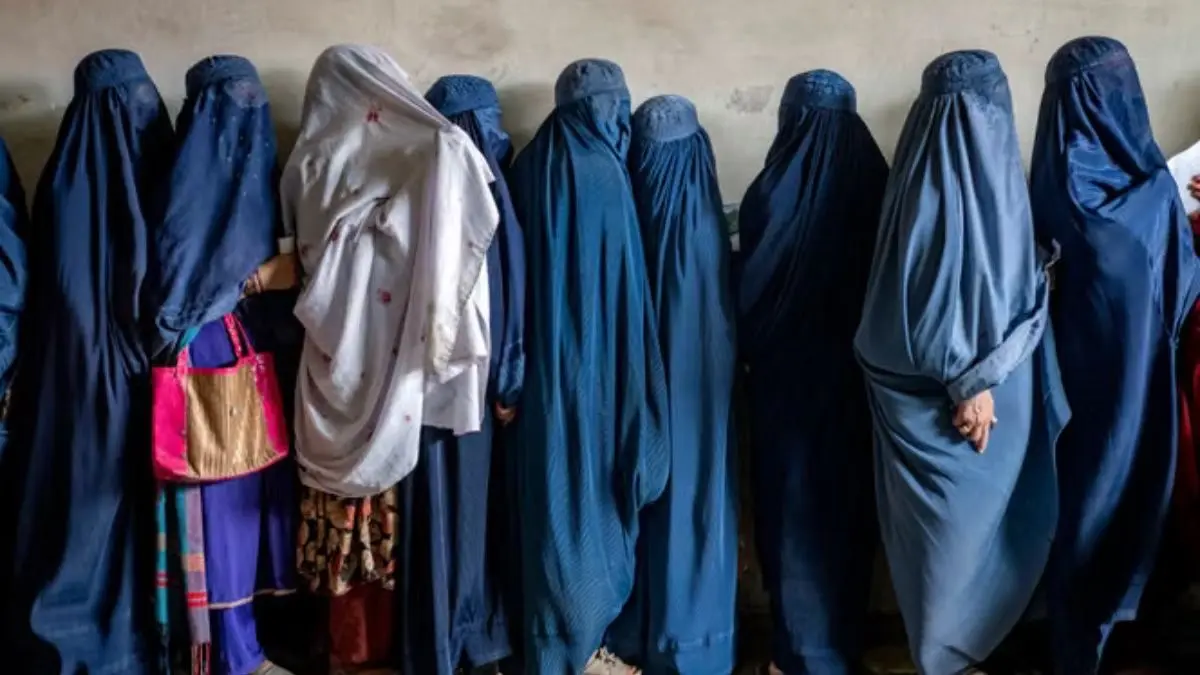
New Delhi: In another limit on women's identity in Afghanistan, the Taliban have supposedly told government workers and medical staff in the northern Balkh province to stop using women's first names in official papers, hospital files, and medicine orders. Instead, women are called the generic term 'Bibi', and some have been referred to using disrespectful words like 'goat' and 'cow'.
An investigation by Afghan media outlet Zan Times, The Guardian, and Spanish newspaper El País found that the order was given in May and asks public workers and healthcare staff to not use women's first names in official documents. The term 'Bibi', which is usually a respectful way to address older women and means 'granny' or 'older woman', is now commonly used as a substitute for women's names.
However, the reports show that some women have also been referred to using terms related to animals, which has caused worries about how women are treated and how their identities are recognized. Afghan activist Lalah Osmany told El País that the practice was part of what she called a systematic way of making people feel less human. The restriction has been reported so far in Balkh province. There is no evidence that the directive has been applied to other areas in Afghanistan.
Why Are Afghan Women Being Called 'Bibi' In Medical Records?
The Taliban directive reportedly applies to government offices as well as healthcare facilities, meaning women's first names are no longer supposed to appear in medical records and prescriptions in Balkh. The move has raised concerns beyond the denial of women's individual identities. Doctors and advocates have said that using a general label instead of real names for patients might cause problems in hospitals, especially when several women are listed with the same term.
Advertisement
Osmany said to El País that this kind of system might make it easier for mistakes to happen when identifying patients, diagnosing their conditions, writing prescriptions, and giving treatments. The order also happens as women face more limits on getting healthcare. In another report, The Guardian said that in some Afghan provinces, male doctors and dentists were told not to check up on or help female patients. The newspaper reports that Taliban security forces have raided dental clinics and told male doctors they might go to jail if they treated women.
A 37-year-old woman in Herat told The Guardian that her dental treatment wasn't finished yet. She said a clinic told her they couldn't continue treating her because of a rule from the Ministry for the Propagation of Virtue and the Prevention of Vice. The rules apparently say that women need to have a male relative, called a mahram, with them in some medical cases. Some procedures also need female medical staff to be present. A doctor at a government hospital in northern Afghanistan said to a newspaper that male doctors couldn't check female patients directly, no matter if the treatment was normal or if the patient was very sick.
Advertisement
'Where Is My Name?': From Healthcare Restrictions To Erasure Of Women's Identity
The latest order is part of a bigger trend where Afghan women have been limited in how their identities are acknowledged in public and official places. For a long time, women's names were usually not included in family records, and they were often referred to by their relationship, like wife or daughter. Their names have also been left out of some wedding invitations and gravestones in the past. In 2017, activist Lalah Osmany started the 'Where Is My Name?' campaign, asking for women's names to be added to official papers, like their children's birth certificates.
In September 2020, Afghanistan's former government made a change as a result of the campaign, allowing mothers' names to be added voluntarily to their children's birth certificates. When the Taliban came back to power in August 2021, it led to new limits on women's ability to go to school, get jobs, and take part in public activities.
The Guardian reports that women have not been allowed to study at medical schools since December 2024. Hospitals have also said they are limiting the hiring of female workers, and female doctors who are working are required to have a mahram with them. Activists are worried that the rule limiting women's names in Balkh might start happening in other provinces too. Zubaida Akbar, who leads the Afghanistan program at the NGO Femena, told El País that local restrictions that were once in place have sometimes led to nationwide orders.