
Russia Lab Worker Dies After ‘Live Biological Material’ Exposure; 197 Isolated Over Suspected Dangerous Infection
A 28-year-old Russian lab worker died after severe pneumonia following a reported lab accident involving live biological material. 197 contacts are under observation.
- Global News
- 3 min read

;'%3e%3cpath%20d='m8,15.99c4.41,0,7.99-3.58,7.99-7.99S12.41,0,8,0,0,3.59,0,8s3.58,7.99,7.99,7.99Z'%20style='stroke:%23fff;%20stroke-miterlimit:10;%20stroke-width:.02px;'/%3e%3cpath%20d='m3.08,3.37l3.82,5.11-3.84,4.15h.87l3.37-3.64,2.72,3.64h2.94l-4.04-5.39,3.58-3.87h-.86l-3.1,3.35-2.5-3.35h-2.94Zm1.27.64h1.35l5.97,7.99h-1.35l-5.97-7.99Z'%20style='fill:%23fff;'/%3e%3c/g%3e%3c/svg%3e)


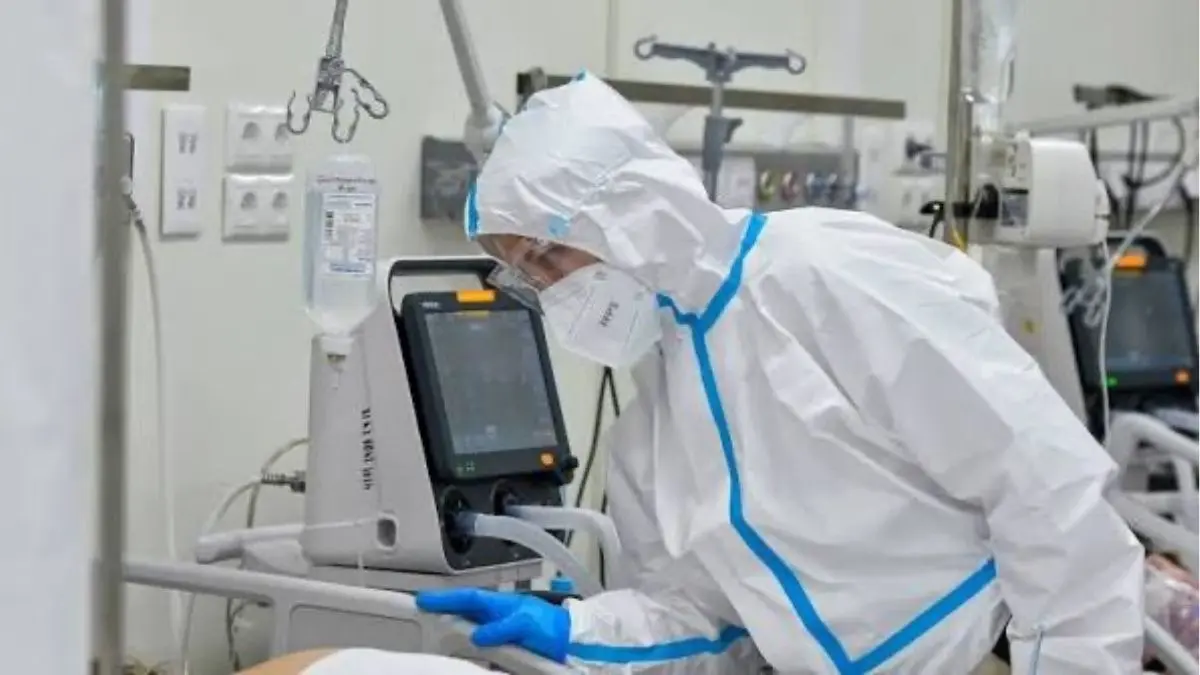
A 28-year-old laboratory worker has died after developing severe pneumonia in Russia's Siberian region of Irkutsk, triggering precautionary measures after she reportedly told doctors that she had accidentally broken a test tube containing live biological material at the facility where she worked.
The woman was employed at the Anti-Plague Research Institute in Shelekhov, a town near Irkutsk. She later developed pneumonia of "unknown origin" and was admitted to hospital as her condition worsened.
She was eventually placed on a ventilator but died on Thursday, October 1. Her death has raised concerns about a possible exposure to a dangerous pathogen, with some reports linking the case to pneumonic plague. However, Russian authorities have not confirmed that plague caused her illness or death.
Nearly 200 Contacts Put Under Observation
Authorities have reportedly placed 197 people who may have had direct or indirect contact with the woman under medical observation or isolation. More than 100 of them are being monitored in hospital wards. Quarantine measures have also been introduced at Shelekhov District Hospital, while restrictions have reportedly been placed at a nearby maternity facility as officials assess the situation and monitor those who may have been exposed.
Advertisement
Russia's consumer protection and public health watchdog, Rospotrebnadzor, said emergency sanitary and anti-epidemic measures had been activated after a case of "pneumonia of unknown etiology" was identified in an employee of the anti-plague institute.
The agency said the epidemiological situation in the Irkutsk region remains stable. Officials have also said people identified as close contacts are under medical supervision and, according to the latest statements cited in reports, have shown no symptoms and returned negative laboratory results.
Advertisement
Why The Lab Accident Has Raised Alarm
The woman's workplace has become a key focus because of reports that she may have been exposed to live biological material after accidentally breaking a test tube. Some media reports have linked the suspected infection to Yersinia pestis, the bacterium that causes plague. However, the exact pathogen involved has not been officially established.
Pneumonic plague affects the lungs and is distinct from bubonic plague. It can spread between people through respiratory droplets, which is why any confirmed case can require an urgent public health response.
The US Centers for Disease Control and Prevention says pneumonic plague can cause sudden fever, headache, weakness and rapidly developing breathing problems. Other symptoms can include chest pain, coughing and watery or blood-tinged mucus. The World Health Organisation says plague can become fatal when treatment is delayed, but appropriate antibiotics can treat the infection when it is diagnosed and managed promptly.
Governor Tells Residents Not To Panic
Irkutsk Governor Igor Kobzev has urged residents to remain calm while authorities investigate the case. Kobzev said an emergency anti-epidemic commission had met over a "suspected case of a particularly dangerous infection" and that the necessary measures were being implemented.
The governor did not identify the infection as plague in his statement. Russian officials and reports have similarly avoided confirming a plague infection as investigations and medical assessments continue.