
US-Iran Draft Framework Proposes Uranium Transfer, Hormuz Reopening Within 7 Days; China May Act As Guarantor
A preliminary US-Iran negotiation framework proposes transferring or diluting Iran's highly enriched uranium stockpile and reopening the Strait of Hormuz within seven days, with China potentially acting as a guarantor. The draft also suggests holding direct talks in Doha.
- Global News
- 4 min read


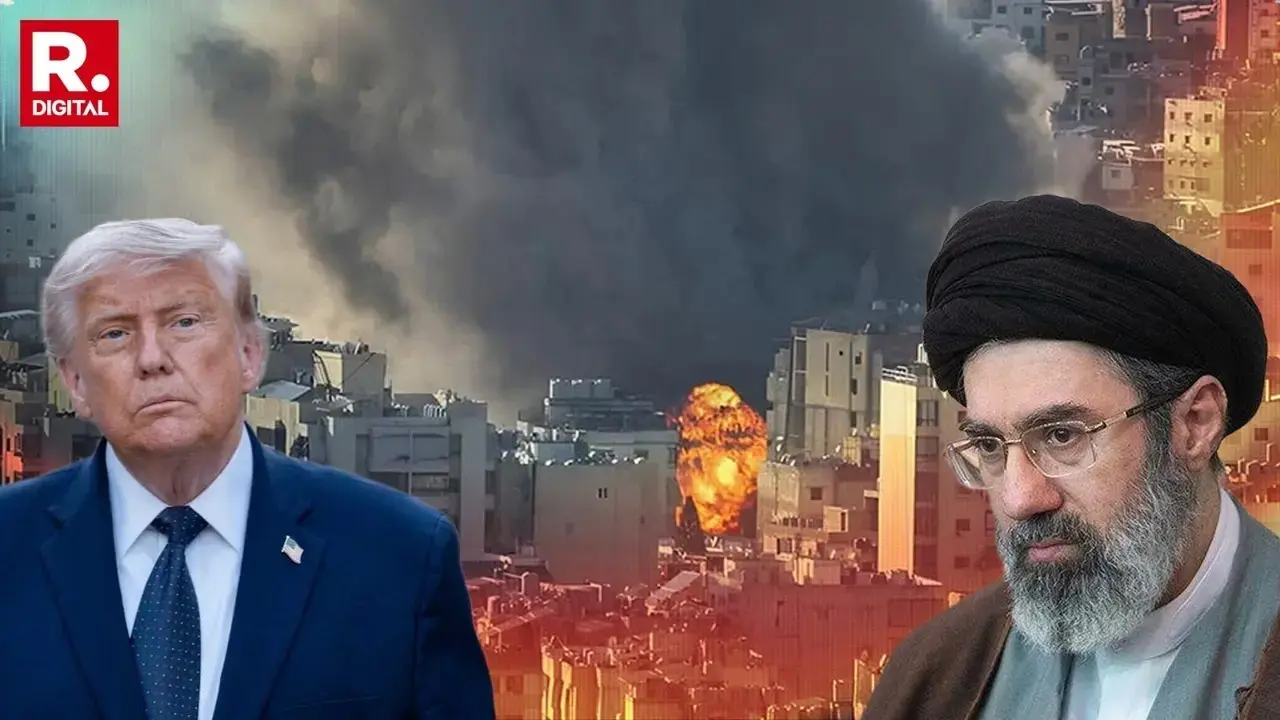
Tehran: A preliminary draft framework for US-Iran negotiations proposes transferring Iran's highly enriched uranium stockpile to an agreed third country or reducing its enrichment level, while reopening the Strait of Hormuz to international maritime traffic within seven days of an initial understanding, Al Arabiya English reported.
According to Al Arabiya English, which exclusively obtained the draft's key points, China could potentially act as a guarantor for the implementation and sustainability of any agreement. The framework also proposes holding direct US-Iran negotiations in Doha instead of Istanbul.
Under the proposed arrangement, Iran's measures on its nuclear programme and maritime security would be matched by US steps to ease sanctions, blockades and economic restrictions.
An independent verification mechanism would assess compliance before each phase of implementation, ensuring that neither side makes substantial concessions without corresponding, independently verifiable commitments. The draft also proposes a dispute-resolution mechanism involving mediators and guarantor parties to address delays or violations and prevent renewed military escalation, according to the news platform.
Advertisement
According to IRNA, a Qatari team had arrived in Tehran in an effort to restore a ceasefire between the United States and Iran. The delegation, led by a senior advisor to Qatar's prime minister and foreign minister, and operating in coordination with Washington, landed on Friday morning for consultations.
Meanwhile, a letter from US Vice President JD Vance to Iranian security official Mohsen Rezaei, delivered by the Qatari envoys, was reportedly welcomed in Tehran for proposing a fresh diplomatic pathway to prevent further American military strikes.
Advertisement
The draft framework comes as the United States President Donald Trump has stated that Washington is in no hurry to end its war with Iran, characterising the ongoing hostilities as "not a typical war" while maintaining that time favours the American side despite months of fighting and repeated diplomatic efforts failing to yield a lasting settlement. Trump likewise claimed that Tehran remains eager to pursue negotiations with American authorities but faces severe domestic hurdles, specifically highlighting an inability to pay military personnel and law enforcement officers.
“There are talks. They want to talk. They keep talking,” Trump told reporters in the Oval Office. “But look, they're not paying their soldiers, they're not paying their police. They're in a lot of trouble. And we have time, frankly. It's a war, but it's not a typical war; we've been there for seven months,” he added.
The American leader also minimised the economic cost of the campaign, asserting that Washington's financial outlays on the conflict remain minimal. “We're spending very little money, relatively speaking. I heard somebody say, you're spending money. I said, well, any money we spent, we've more than made up for in a place called Venezuela, like by 10 times...” he remarked.
He did not provide figures to substantiate his assertion concerning the recovery of expenditures through South American channels. Trump's insistence that Washington has adequate time for diplomatic efforts persists despite his frequent references to the possibility of renewed military action against Iran.
Previously, he noted that the US could launch “another little Epic Fury”, alluding to the initial military operation directed at Tehran, while on separate occasions suggesting that a “big and good” agreement might still materialise.
His latest remarks come amid persistent ambiguity surrounding the trajectory of the confrontation. Although Trump intimated that Tehran desires an agreement, both capitals remain divided on core prerequisites, notably Iran's nuclear programme, sanctions and the US blockade of Iranian ports.
Diplomatic outreach aimed at seeking a resolution advanced on Friday as Turkish Foreign Minister Hakan Fidan held a formal meeting with US Secretary of State Marco Rubio during a G20 ministerial gathering hosted in the United States.
The discussions encompassed ongoing negotiations between Washington and Tehran, alongside broader regional developments and bilateral relations, as outlined by Turkey's official Anadolu Agency.
That meeting followed a telephone conversation between Turkish President Recep Tayyip Erdogan and Trump days earlier, during which Ankara conveyed its vigilance over maritime passages and expressed support for diplomatic efforts aimed at defusing regional tensions.
While Ankara has joined regional actors in engaging American counterparts to explore pathways forward, Trump's stance regarding the availability of time, coupled with ongoing threats of military escalation, underscores the continued fragility of any prospective diplomatic breakthrough.