
Is Social Media Amplifying Narcissistic Traits in the Current Digital Age? Psychologist Weighs In
Social media’s design rewards image curation and validation, amplifying narcissistic traits like self-focus, admiration-seeking, and control. Dr. Sumit Grover explains how platforms fuel comparison, insecurity, and self-promotion, and why awareness is key to healthier online engagement.
- Health News
- 2 min read

;'%3e%3cpath%20d='m8,15.99c4.41,0,7.99-3.58,7.99-7.99S12.41,0,8,0,0,3.59,0,8s3.58,7.99,7.99,7.99Z'%20style='stroke:%23fff;%20stroke-miterlimit:10;%20stroke-width:.02px;'/%3e%3cpath%20d='m3.08,3.37l3.82,5.11-3.84,4.15h.87l3.37-3.64,2.72,3.64h2.94l-4.04-5.39,3.58-3.87h-.86l-3.1,3.35-2.5-3.35h-2.94Zm1.27.64h1.35l5.97,7.99h-1.35l-5.97-7.99Z'%20style='fill:%23fff;'/%3e%3c/g%3e%3c/svg%3e)


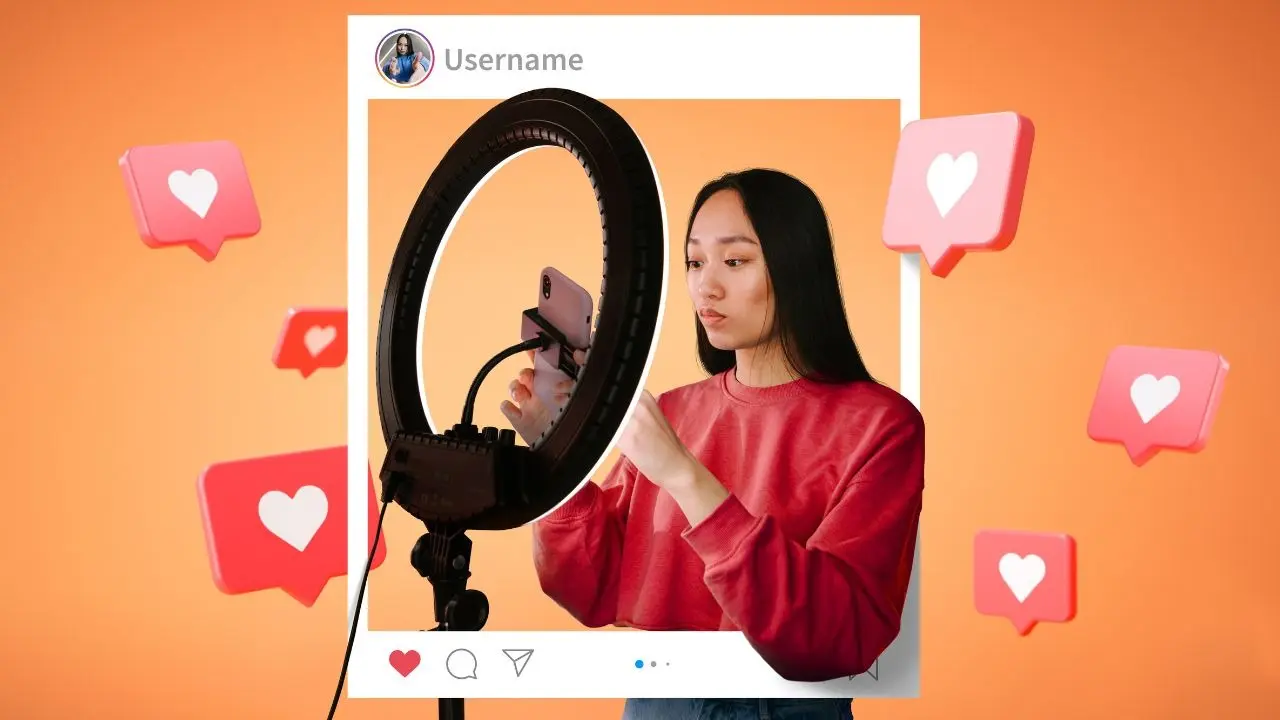
Social media has emerged as one of the most influential platforms for communication and self-expression in the modern era. Yet, its design and culture also create fertile ground for the display and reinforcement of narcissistic behaviors. Narcissism—characterized by excessive self-focus, a heightened need for admiration, control, power, and a lack of empathy—thrives in online environments that reward image curation, external validation, and continuous self-promotion. We spoke to Dr. (Miss) Sumit Grover, Psychologist, Life coach, and Motivational Speaker, to better understand the link between narcissistic traits and social media.

Dr. Grover says, “Platforms like Instagram, TikTok, and Facebook are built around metrics of visibility—likes, shares, comments, and followers—that transform private moments into public performances. These platforms encourage users to showcase idealized versions of themselves, often prioritizing appearance, lifestyle, and success while downplaying vulnerability or failure. The pressure of constant performance for social approval not only sustains but also magnifies narcissistic tendencies, particularly among individuals already predisposed to them.”
“Social media also fosters upward social comparison and competition, where individuals measure their self-worth against the seemingly flawless lives of others. This comparison often fuels insecurity, leading users to seek further admiration and attention as a way of reaffirming their value. For narcissistic personalities, these digital arenas offer powerful tools for manipulation and self-aggrandizement, allowing them to maintain an exaggerated sense of superiority and control. The virtual setting enables the construction of carefully curated identities that are difficult to challenge, given the superficial and limited nature of online relationships,” she adds.
Advertisement
Research also supports a clear link between heavy social media use and heightened narcissistic traits. Behaviors such as excessive selfie-posting, self-promotional content, and fixation on follower counts are strongly correlated with narcissism. Younger generations, particularly teenagers and young adults, may be especially vulnerable, as their identities and self-esteem are still in formative stages.
However, it is important to distinguish between healthy self-expression and clinical narcissism, Dr. Grover reminds. “Not every user who posts frequently or seeks validation online is a narcissist. The concern arises when online approval becomes more important than authentic connection, self-worth, and self-love become tethered to digital metrics,” she says.
Advertisement
Ultimately, social media does not create narcissism, but it amplifies and normalizes it. Building awareness, practicing digital literacy, and fostering meaningful offline relationships are crucial steps in countering these effects.