
PepsiCo To Replace Palm Oil In Lays Chips: Here's Why The Oil Is A Threat To Your Health
Let's look at the detrimental effects of palm oil consumption on health and well-being.
- Health News
- 2 min read

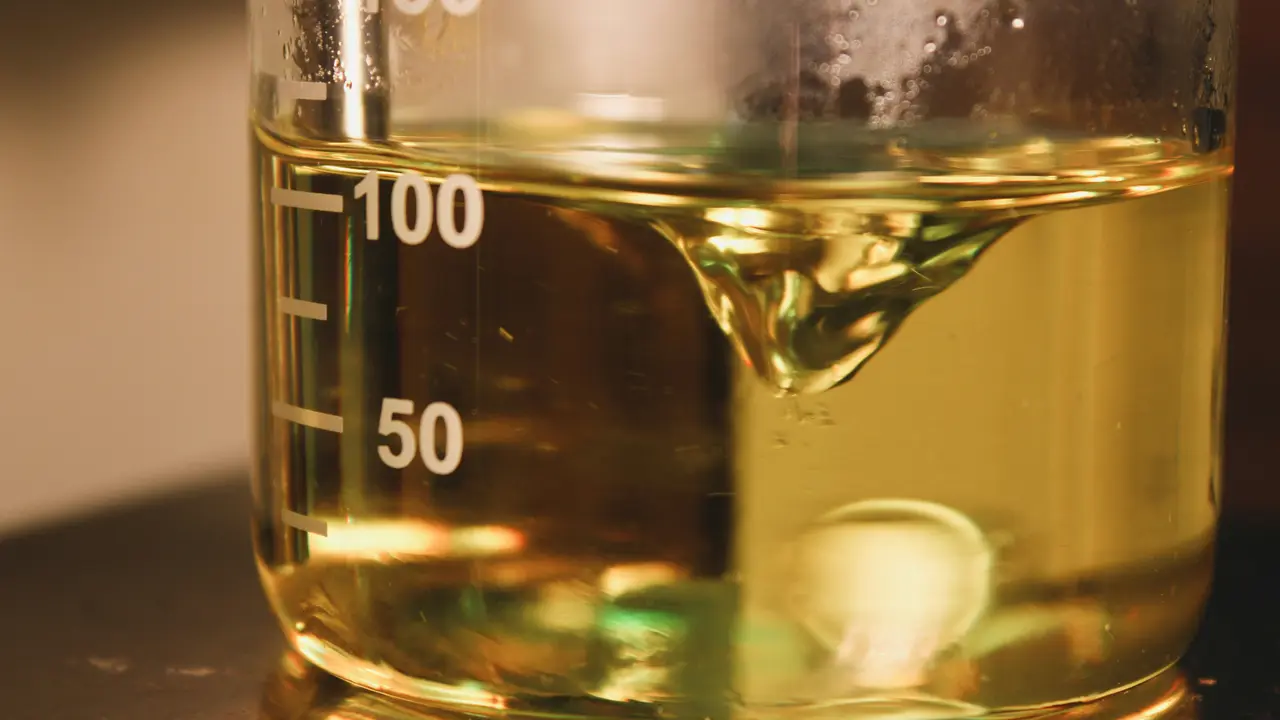
Palm oil has become one of the most widely used vegetable oils worldwide, thanks to its versatility, affordability, and long shelf life. Big companies like PepsiCo use it to manufacture their products. However, PepsiCo has now announced that they will be replacing palm oil with sunflower oil. The decision came after concerns regarding the potential health disadvantages of palm oil. Let's look at the detrimental effects of palm oil consumption on health and well-being.
High saturated fat content
One of the primary health concerns associated with palm oil is its high saturated fat content. While all fats contain a mixture of saturated and unsaturated fatty acids, palm oil is particularly rich in saturated fats, which have been linked to increased levels of LDL (low-density lipoprotein) cholesterol, often referred to as "bad" cholesterol. Elevated LDL cholesterol levels are a known risk factor for cardiovascular diseases such as heart attacks and strokes.

Impact on heart health
Consuming foods high in saturated fats, such as palm oil, can have detrimental effects on heart health. Research has shown that diets high in saturated fats can contribute to the development of atherosclerosis, a condition characterized by the buildup of plaque in the arteries, narrowing them and increasing the risk of heart disease. The American Heart Association recommends limiting the intake of saturated fats to reduce the risk of cardiovascular problems.
Low nutritional value
While palm oil is often touted for its affordability and availability, it is relatively low in essential nutrients compared to other vegetable oils. Unlike oils such as olive oil or avocado oil, which are rich in monounsaturated fats and antioxidants, palm oil contains minimal amounts of vitamins, minerals, and beneficial phytochemicals. As a result, relying heavily on palm oil as a dietary fat may contribute to nutrient deficiencies and compromise overall nutritional status.
Advertisement
Environmental concerns
In addition to its potential health disadvantages, palm oil production is associated with significant environmental concerns. Large-scale palm oil plantations have been linked to deforestation, habitat destruction, and biodiversity loss, particularly in regions such as Southeast Asia and Central Africa. Deforestation contributes to climate change, loss of wildlife habitat, and displacement of indigenous communities, highlighting the complex interplay between palm oil production, environmental degradation, and human well-being.