
Signs Your Battling With High Cholesterol And How To Keep Your Health In Check
Often undetectable without a blood test, high cholesterol levels can be the root of severe health problems, including heart diseases and stroke.
- Health News
- 2 min read

In the bustling tempo of modern life, it's easy to overlook the signs that our body repeatedly gives us, especially when it comes to something as silent yet potentially dangerous as high cholesterol. This health condition, often undetectable without a blood test, can be the root of severe health problems, including heart disease and stroke. Here’s a list of subtle signs that might indicate high cholesterol and why it’s pertinent not to ignore them.
Xanthomas
Firstly, one of the silent signals of high cholesterol is the development of fatty deposits in the skin or tendons, known as xanthomas. These can appear as yellowish bumps or flat plaques and commonly manifest around the eyes, joints, or hands.
Arcus senilis
Secondly, a condition called arcus senilis, recognised by a greyish-white ring or arc around the cornea of the eye, may also hint at elevated cholesterol levels, especially in individuals under 45.

Leg pain
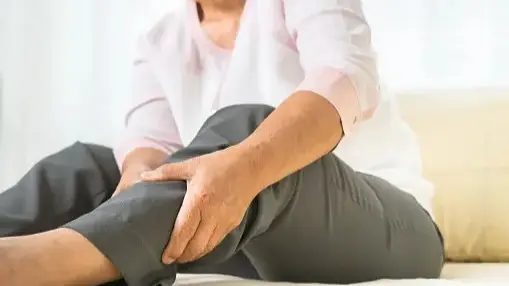
Experiencing pain or cramping in your legs, particularly when walking or exercising, could be a sign of peripheral arterial disease (PAD), where cholesterol buildup narrows arteries in the legs.
Advertisement
Gallstones
Furthermore, high cholesterol can lead to gallstones. These are primarily composed of cholesterol and can cause severe abdominal pain, indicating the need for a cholesterol check.
Why these signs are not be to avoided?
Ignoring these symptoms means letting high cholesterol go unchecked, paving the way for atherosclerosis, a condition where arteries become clogged, limiting blood flow and potentially leading to heart attacks or strokes.
Advertisement
Understanding and recognising these signs is the first step in taking control of your cholesterol levels and, by extension, your heart health. Specific changes such as adopting a healthier diet, regular exercise, and possibly medication underc, can significantly reduce cholesterol levels and diminish the risk of cardiovascular diseases.
Ignoring high cholesterol is akin to neglecting the health of your heart and arteries. By paying heed to your body's signals and consulting healthcare professionals, you can ensure a healthier, more vibrant life.