
What Is Oropouche Virus, Should You Be Concerned? How It Spreads, Symptoms, All You Need To Know
The Oropouche virus can stay in a human body for upto seven days but it may also reoccur in a few days, or weeks.
- Health News
- 2 min read

;'%3e%3cpath%20d='m8,15.99c4.41,0,7.99-3.58,7.99-7.99S12.41,0,8,0,0,3.59,0,8s3.58,7.99,7.99,7.99Z'%20style='stroke:%23fff;%20stroke-miterlimit:10;%20stroke-width:.02px;'/%3e%3cpath%20d='m3.08,3.37l3.82,5.11-3.84,4.15h.87l3.37-3.64,2.72,3.64h2.94l-4.04-5.39,3.58-3.87h-.86l-3.1,3.35-2.5-3.35h-2.94Zm1.27.64h1.35l5.97,7.99h-1.35l-5.97-7.99Z'%20style='fill:%23fff;'/%3e%3c/g%3e%3c/svg%3e)


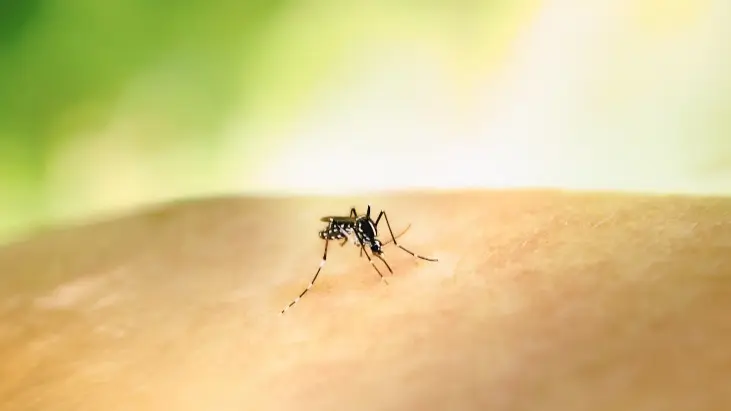
Oropouche Fever: At least two deaths have been reported due to Oropouche fever in the South America after two Brazilian women were infected by it. According to reports, both the victims had no pre-medical conditions. Following two cases of this virus resulting in death, concerns are rising on its control and prevention.
What is Oropouche fever?
Oropouche is a tropical viral infection transmitted by biting midges and mosquitoes from the blood of sloths to humans.
Why it's called Oropouche fever?
This Oropouche virus was first discovered in the Oropouche river of Trinidad and Tobago. Following its discovery, the virus was isolated at the Trinidad Regional Virus Laboratory in 1955.
In June and July, Europe reported at least 19 imported cases of Oropouche virus according to European Centre for Disease Control. Out of the 19 cases, Spain reported 12, Italy 5 and two were in Germany.
Advertisement
How does Oropouche virus originates?
The virus spreads through mosquito, insects, midges bites and originates from pale-throated sloths, birds, non-human primates.
Oropouche virus symptoms
Fever, headache, muscle aches, stiff joints, nausea, vomiting, chills, and light sensitivity are its main symptoms. In extreme conditions, the virus can enter the brain system and cause encephalitis, meningitis, and other serious neuroinvasive diseases.
Advertisement
However, only 4 per cent of the patients suffer brain related sickness.
Reports say that the Oropouche virus outbreak this year has reached an unprecedented scale. As of now, there are no vaccines available for this virus.
How far Oropouche fever symptoms last
The symptoms can last upto seven days and may also reoccur after a few days, weeks in about 60 per cent of the cases.
How to keep this virus under control
Since its caused due to mosquito, insect bites, a regular pest control check, repellants, chemical pesticides may work.