
Updated 20 August 2024 at 18:54 IST
World Mosquito Day Highlights Rising Threats And Health Risks
On August 20th annually, World Mosquito Day brings global attention to the significant health threats posed by mosquitoes and efforts undertaken to combat.
- Health News
- 2 min read

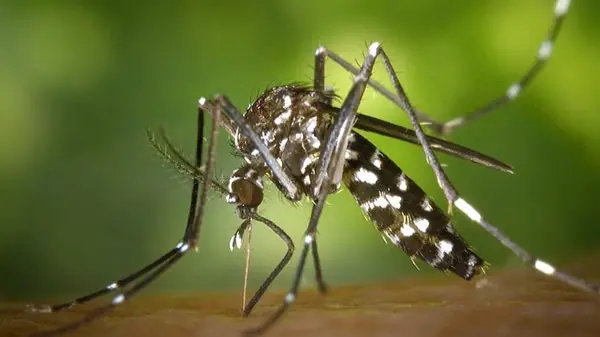
On August 20 each year, World Mosquito Day brings global attention to the significant health threats posed by mosquitoes and acknowledges ongoing efforts to combat these dangers. This observance marks the anniversary of Sir Ronald Ross’s groundbreaking 1897 discovery that linked mosquitoes to malaria, a milestone in understanding vector-borne diseases.
As the monsoon season provides respite from summer heat, it also sets the stage for increased mosquito activity due to ideal breeding conditions. This period intensifies the risk of several mosquito-borne illnesses, making it essential to be vigilant. Key diseases to be aware of include:

Malaria
Transmitted by female Anopheles mosquitoes, malaria remains a major health concern worldwide, with over 247 million cases reported annually. The disease translates into fever, headaches, and chills typically emerging 10 to 15 days post-bite. Severe cases can be fatal, and while treatments and a multi-dose vaccine exist, drug resistance complicates management, posing a continuous challenge.
West Nile Virus
Carried by mosquitoes, West Nile virus can present with symptoms such as fever, headache, neck stiffness, tremors, and muscle weakness. Notably, up to 80 per cent of infected individuals show no symptoms. However, severe cases, including West Nile encephalitis or meningitis, affect about 1 in 150 people and pose greater risks to the elderly, immunocompromised individuals, and those with underlying health conditions.
Advertisement
Dengue fever
Dengue, transmitted by Aedes aegypti mosquitoes, often causes mild illness with symptoms like high fever, joint and muscle pain, and rash. Known for its severe form, dubbed "break-bone fever," it can lead to intense pain, abdominal issues, and even death. Dengue’s adaptability to urban settings and close human environments makes it a persistent threat.
Zika virus
Zika virus, primarily spread by Aedes mosquitoes, often remains asymptomatic. When symptoms appear, they include muscle and joint pain, fever, rash, and conjunctivitis. The virus can also be transmitted sexually, with the potential for prolonged asymptomatic infection leading to inadvertent spread to partners.
Advertisement
As World Mosquito Day underscores these risks, it highlights the importance of preventive measures and continued research to mitigate mosquito-borne diseases.
Published By : Nitin Waghela
Published On: 20 August 2024 at 18:54 IST