
British journal posts picture of India map without J&K and Ladakh; gets schooled
A British scientific journal published a report on India's reservation system but with a map cropping out J&K, Ladakh and Arunachal Pradesh.
- India News
- 2 min read

;'%3e%3cpath%20d='m8,15.99c4.41,0,7.99-3.58,7.99-7.99S12.41,0,8,0,0,3.59,0,8s3.58,7.99,7.99,7.99Z'%20style='stroke:%23fff;%20stroke-miterlimit:10;%20stroke-width:.02px;'/%3e%3cpath%20d='m3.08,3.37l3.82,5.11-3.84,4.15h.87l3.37-3.64,2.72,3.64h2.94l-4.04-5.39,3.58-3.87h-.86l-3.1,3.35-2.5-3.35h-2.94Zm1.27.64h1.35l5.97,7.99h-1.35l-5.97-7.99Z'%20style='fill:%23fff;'/%3e%3c/g%3e%3c/svg%3e)


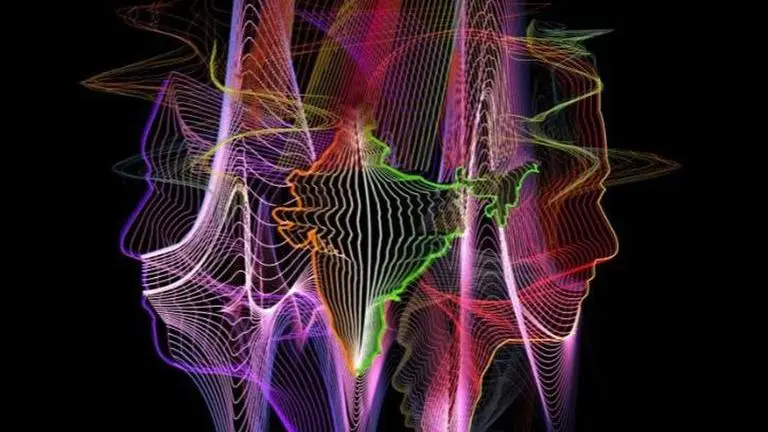
British scientific journal Nature is being schooled by Indians for posting a map of India with Jammu and Kashmir and Arunachal Pradesh cropped out. The picture was part of the publication's new report titled ‘How India’s caste system limits diversity in India”. While the picture depicts an outlined face of individuals, the borders over Uttarakhand and Punjab cleverly fades completely right from J&K and Arunachal Pradesh, which are constantly targeted by terrorists from Pakistan and the territorial expansionist China. The map by Nature does not even include Ladakh and other parts in Kashmir let alone the regions illegally occupied by India's neighbours.
How India’s caste system limits diversity in science — in six charts https://t.co/1DM6SYovf0
— nature (@Nature) January 11, 2023
Indians furious over 'propaganda'
Furious over this, many Indians called out the publication for peddling propaganda and some even called the article "racist".
Cute. But where’s the rest of India? Like even Arunachal Pradesh is missing!
— srijith reddy (@sai_srijith) January 15, 2023
First correct our map first ChiHyena stooge...jk and arunachal is ours..our people live there...do no exclude them
— TheQuriouso (@theQuriouso) January 16, 2023
"Cute. But where’s the rest of India? Like even Arunachal Pradesh is missing! (sic)" asked one Twitter user while another wrote, " First correct our map first ChiHyena stooge...jk and arunachal is ours..our people live there...do no exclude them (sic)."
The map is wrong.
— Bhavna Sharma (@TheBhavnaSharma) January 16, 2023
You must use proper map of India ....
— Yogiraj Dange (@Yogiraj_19) January 15, 2023
@AshwiniVaishnaw @Rajeev_GoI Indian map is wrongly depicted. Please initiate the appropriate action!
— Praneeth Karnena 🇮🇳 (@PraneethKarnena) January 15, 2023
Just look at the incorrect Indian map. It tells the story of propaganda being peddled by Nature.
— ଭକ୍ତ ନାୟକ (@abhaykunayak) January 15, 2023
Apart from putting up the wrong map of India, Nature shed light on India's reservation policy claiming that the "caste system limits scientific opportunities for certain groups in a nation striving to become a global research leader". It's report also claimed that "Adivasis and Dalits are under-represented in undergraduate science courses but not arts courses".
Advertisement
The report further says that there is a dearth of teachers and mentors in the sciences because those from lower classes who take up careers in science are regared "free-off" who advanced only through reservation and not merit.