
Centre bats for 'right to be forgotten'; finds place in Personal Data Protection Bill
In a significant development, the Centre filed an affidavit before the Delhi High Court that the right to privacy also includes the "right to be forgotten".
- India News
- 3 min read

;'%3e%3cpath%20d='m8,15.99c4.41,0,7.99-3.58,7.99-7.99S12.41,0,8,0,0,3.59,0,8s3.58,7.99,7.99,7.99Z'%20style='stroke:%23fff;%20stroke-miterlimit:10;%20stroke-width:.02px;'/%3e%3cpath%20d='m3.08,3.37l3.82,5.11-3.84,4.15h.87l3.37-3.64,2.72,3.64h2.94l-4.04-5.39,3.58-3.87h-.86l-3.1,3.35-2.5-3.35h-2.94Zm1.27.64h1.35l5.97,7.99h-1.35l-5.97-7.99Z'%20style='fill:%23fff;'/%3e%3c/g%3e%3c/svg%3e)


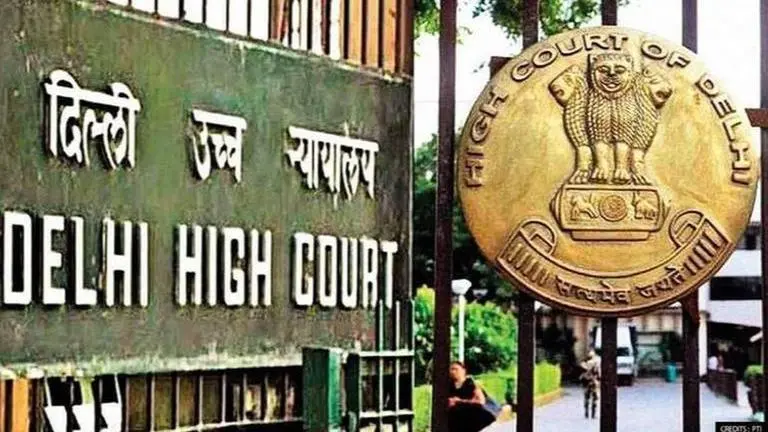
In a significant development, the Centre filed an affidavit before the Delhi High Court that the right to privacy also includes the "right to be forgotten". This came on a plea filed by two businessmen who sought a direction for the removal of online news articles, case details and judgment regarding a criminal case. While they were booked and arrested in an alleged conspiracy and forgery case for using forged documents for illegal clearance of cargo planes, they were discharged by the court in the case in December 2016. They contended that the online material is hampering their career growth.
The Union government, via the affidavit, affirmed, "The Government of India understanding the need to protect its citizens and their privacy has brought out the Personal Data Protection Bill 2019. This Bill contains provisions related to the doctrine of 'right to be forgotten". Referring to the verdicts delivered by the Orrisa High Court and Karnataka High Court, it mentioned that the courts have also accepted that the right to be forgotten is an essential component of the right to privacy.
At the same time, the Centre maintained that it had no role in this matter as the IT Act does not deal with the removal of court orders passed against a person. Putting the onus on the HC, it added “The petitioner seeks removal of court order-related information available online. This Hon’ble Court may directly issue directions, if any, to the concerned respondents other than the respondent Union of India".
What is the Personal Data Protection Bill?
On December 11, 2019, the then Union Electronics and Information Technology Minister Ravi Shankar Prasad introduced the Personal Data Protection Bill and it was referred to a Joint Parliamentary Committee subsequently. It aims to protect the privacy of individuals relating to their personal data and build a relationship of trust between them and the entities processing this data. Focusing on ensuring the accountability of entities processing personal data, laying down norms for social media intermediaries and providing remedies for unauthorized processing, the bill entails the formation of a Data Protection Authority of India.
As per the Centre, this will help foster a "free and fair" digital economy and respect the informational privacy of individuals. On Thursday, the Joint Committee headed by BJP MP PP Chaudhary tabled its report in both Lok Sabha and Rajya Sabha advocating that the bill should also cover non-personal data, tighter regulation for social media platforms and the establishment of a statutory media regulatory authority. On the other hand, opposition MPs such as Manish Tewari, Jairam Ramesh, Gaurav Gogoi, Vivek Tankha, Derek O'Brien, Mahua Moitra, Ritesh Pandey and Amar Patnaik submitted dissent notes.