
Data Crunching Shows Minute-to-Minute Water Quality Monitoring At Mahakumbh Ghats in Prayagraj
The CPCB, under the Ministry of Environment, Forest, and Climate Change (MoEFCC), conducted a continuous assessment of water quality during Mahakumbh 2025.
- India News
- 3 min read

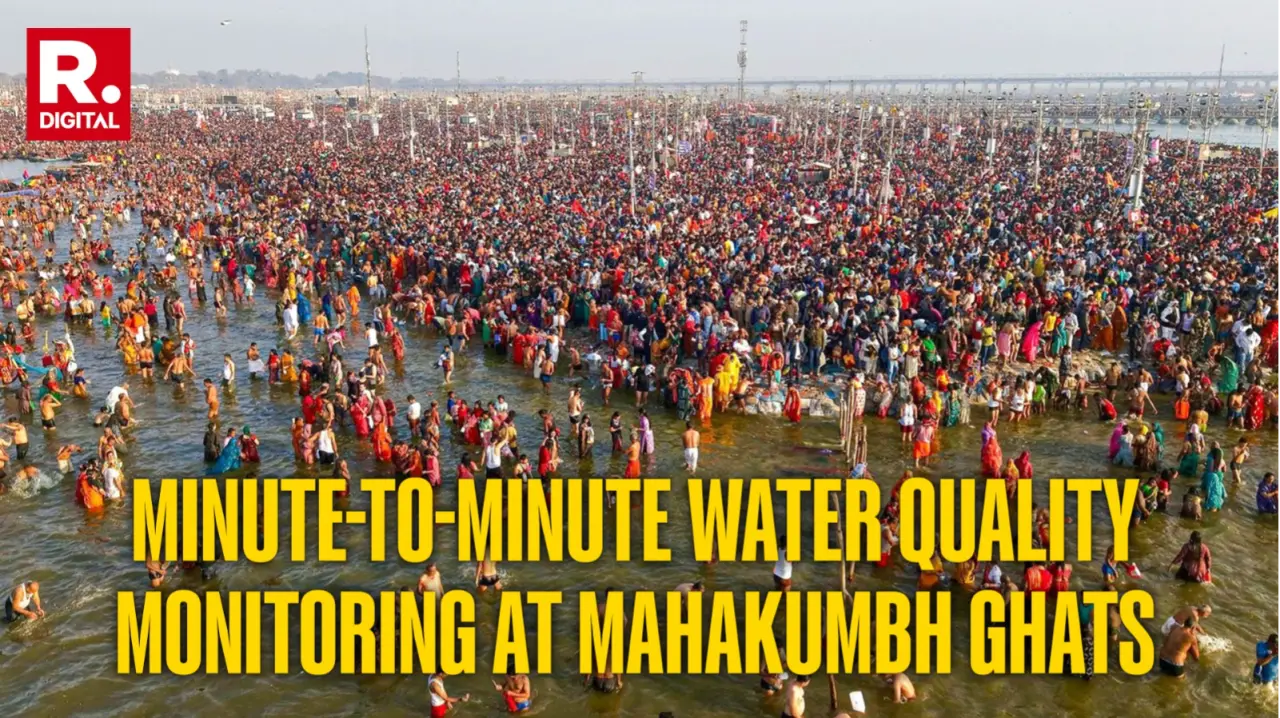
Prayagraj: The water quality of the Ganga and Yamuna rivers at Maha Kumbh was monitored every minute at major ghats in Prayagraj, ensuring real-time assessment of pollution levels and safety for pilgrims, the Central Pollution Control Board (CPCB) observed in its report. The CPCB conducted the monitoring and revealed significant improvements in water quality due to enhanced treatment measures during the course of Mahakumbh 2025.

Real-Time Water Quality Monitoring
The CPCB, under the Ministry of Environment, Forest, and Climate Change (MoEFCC), conducted a continuous assessment of water quality at various ghats. They also installed sensors and online monitoring systems at multiple ghats.
The focus remained on major water parameters such as:
- Dissolved Oxygen (DO): Consistently above 8.5 mg/L, ensuring healthy aquatic conditions.
- Biochemical Oxygen Demand (BOD): Maintained between 2.5 – 3.2 mg/L, staying within safe bathing limits.
- Fecal Coliform: Ranged from 1,200 – 2,500 MPN/100ml, within permissible levels at most locations.
- Chemical Oxygen Demand (COD): Controlled within 10 – 15 mg/L, indicating reduced industrial and organic pollution.
- Turbidity: Monitored for fluctuations, with visibility ranging between 50 – 65 cm.
Advertisement
Challenges and Pollution Spikes
Despite the continuous monitoring, some locations reported water quality fluctuations due to increased pilgrim activity, wastewater discharge, and sediment disturbances. However, a swift action from the authorities ensured that the fluctuations were controlled and water quality is maintained.
Though water quality was maintained on majority of days during the Mahakumbh, on some days, a surge in fecal coliform was observed. However, a swift monitoring brought it to the notice of authorities following which effective measures were taken to bring the concentration of fecal coliform within the permissible limits.
Advertisement
Steps Taken for Water Quality Control
The government and pollution control authorities implemented several measures to improve and maintain water quality during Maha Kumbh for pilgrims, including:
- Real-Time Monitoring: Online Continuous Effluent Monitoring Systems (OCEMS) tracked water quality round the clock.
- Advanced Sewage Treatment: 12 major STPs processed 1,500+ million liters per day before releasing treated water into the river.
- Geo-Tube Filtration & Bioremediation: Used to trap pollutants and break down organic waste naturally.
- Industrial and Municipal Waste Control: Strict enforcement of effluent discharge norms led to a 30% reduction in chemical pollutants.
- Mass Cleanliness Drives: Over 10,000 volunteers participated in clean-up initiatives, ensuring waste did not enter the river.
- Public Awareness Campaigns: Pilgrims were urged to avoid detergents and synthetic materials while bathing.
Real-time monitoring at Maha Kumbh provided critical insights into water quality trends, helping authorities take immediate action against pollution. The initiative ensured cleaner and safer water for millions of devotees attending the grand religious gathering.
Get Current Updates on India News, Entertainment News, Cricket News along with Latest News and Web Stories from India and around the world.