
Eight Indian Vessels Cross Strait of Hormuz Amid West Asia Tensions – Highest Number for Any Country; Check Details
The Strait of Hormuz, a critical chokepoint for global energy supplies, has seen severely restricted commercial shipping due to the conflict. Iran has selectively allowed passage for vessels from "friendly nations," including India, following diplomatic engagements.
- India News
- 3 min read

;'%3e%3cpath%20d='m8,15.99c4.41,0,7.99-3.58,7.99-7.99S12.41,0,8,0,0,3.59,0,8s3.58,7.99,7.99,7.99Z'%20style='stroke:%23fff;%20stroke-miterlimit:10;%20stroke-width:.02px;'/%3e%3cpath%20d='m3.08,3.37l3.82,5.11-3.84,4.15h.87l3.37-3.64,2.72,3.64h2.94l-4.04-5.39,3.58-3.87h-.86l-3.1,3.35-2.5-3.35h-2.94Zm1.27.64h1.35l5.97,7.99h-1.35l-5.97-7.99Z'%20style='fill:%23fff;'/%3e%3c/g%3e%3c/svg%3e)


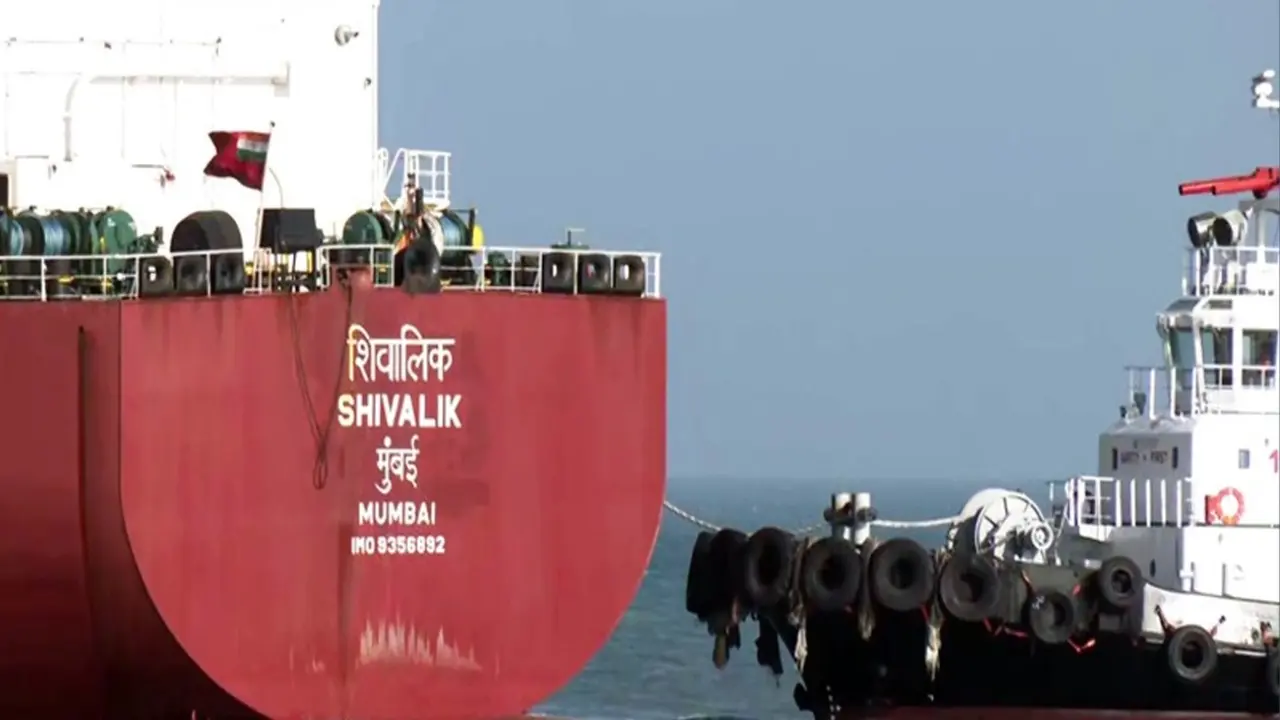
New Delhi: In a major development amid the ongoing conflict in West Asia, at least eight Indian vessels have successfully transited the strategically vital Strait of Hormuz since February 28, when the escalation disrupted normal maritime traffic. This marks the highest number of successful crossings recorded for any single country in the period, according to maritime tracking data and government statements.
The Strait of Hormuz, a critical chokepoint for global energy supplies, has seen severely restricted commercial shipping due to the conflict. Iran has selectively allowed passage for vessels from "friendly nations," including India, following diplomatic engagements.
India's Ministry of External Affairs (MEA) and Ministry of Ports, Shipping and Waterways have confirmed that coordinated discussions have facilitated the safe transit of multiple Indian-flagged ships carrying essential energy cargoes like liquefied petroleum gas (LPG), liquefied natural gas (LNG), and crude oil.
As of the latest updates, eight Indian ships have been reported as having crossed safely, with recent MEA briefings highlighting ongoing efforts to secure passage for additional vessels still in the region. Many of the transits involved touching the Iranian coastline for approved routes, and the Indian Navy has maintained a presence in the broader area under operations like Urja Suraksha to monitor and support Indian shipping interests.
Advertisement
List of Indian Vessels That Have Crossed the Strait of Hormuz (Since Late February 2026):
1. Shivalik (LPG carrier, owned by Shipping Corporation of India) – Carried LPG; arrived at Mundra Port, Gujarat.
2. Nanda Devi (LPG carrier, owned by Shipping Corporation of India) – Carried approximately 46,500 metric tonnes of LPG; arrived at Vadinar Port, Gujarat.
3. Jag Laadki (crude oil tanker) – Carried around 80,886 metric tonnes of crude oil from the UAE; arrived at Mundra Port.
4. Pine Gas (LPG carrier) – Part of a pair carrying over 92,000 tonnes of LPG combined with Jag Vasant; loaded in UAE waters.
5. Jag Vasant (LPG carrier) – Loaded LPG in Kuwait; transited alongside Pine Gas.
6. BW Tyr (VLGC – Very Large Gas Carrier)
7. BW Elm (VLGC)
8. Green Sanvi (LPG carrier) – Recently reported as having crossed and returning to India.
Advertisement
These vessels have delivered critical energy supplies to Indian ports, helping mitigate potential shortages in cooking gas and fuel amid global supply disruptions. Earlier transits, such as those of Shivalik and Nanda Devi around mid-March, were among the first successful movements post-escalation.
India has maintained active diplomatic channels with Iran and other regional stakeholders to ensure the safety of its merchant fleet. The MEA has stated that talks over recent days have directly contributed to the safe passage of these ships, with efforts continuing for the remaining vessels--reports indicate around 18-28 Indian or India-bound ships were previously affected near the strait.
Maritime analysts note that while overall traffic through the strait remains far below normal levels (with only about 90 ships reported in the initial weeks of March across all nations), India's successful transits underscore effective diplomacy and the strategic importance of maintaining energy security. The Indian Navy's deployment of warships in the Gulf of Oman has provided additional reassurance without direct escorts inside the strait itself in most cases.
This development comes as India continues to monitor the evolving situation in West Asia closely, balancing its energy import needs with broader foreign policy objectives of neutrality and regional stability.
Get Current Updates on India News, Entertainment News, Cricket News along with Latest News and Web Stories from India and around the world.