
Updated 24 March 2026 at 17:02 IST
Gujarat Introduces Uniform Civil Code Bill, Registration to be Made Mandatory for Live-in Couples
Deputy Chief Minister Harsh Sanghavi introduced the 201-page Gujarat Uniform Civil Code, 2026. This bill simplifies personal laws to ensure fairness and gender justice for all residents. However, the new rules do not apply to Scheduled Tribes or groups with specific constitutional protections.
- India News
- 3 min read

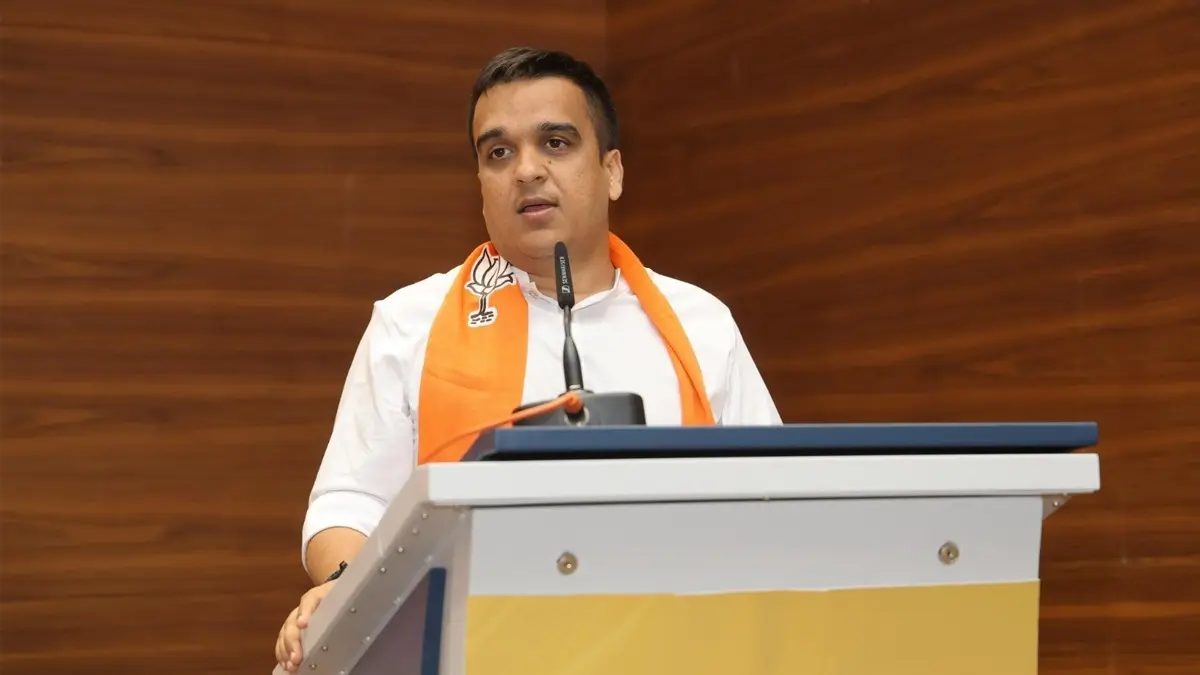
The Gujarat government introduced a major new Uniform Civil Code bill on Wednesday (March 24th, 2026) that aims to create a single set of rules for everyone living in the state. It would replace different religious laws with one standard system for all residents covering matters of marriage, divorce, and inheritance. They would also apply to live-in relationships and other related matters. If passed, the law will ensure that every person in Gujarat follows the same legal process regardless of their faith.
Deputy Chief Minister Harsh Sanghavi introduced the 201-page Gujarat Uniform Civil Code, 2026 drafted with recommendations from a committee chaired by former Supreme Court judge Ranjana Prakash Desai. This bill simplifies personal laws to ensure fairness and gender justice for all residents. However, the new rules do not apply to Scheduled Tribes or groups with specific constitutional protections. Gujarat is now the second state to introduce these laws following Uttarakhand, which started its own Uniform Civil Code in January 2025.
Focus on live-in relationships
One of the most significant highlights of the bill is its focus on the live-in relationships. As per the bill, couples must now register their relationship with the government. Once a couple registers, the official will notify the local police. If either person is under 21 years old, the government will also inform their parents or guardians.
Advertisement
The bill makes it mandatory for all couples living together in Gujarat to register their relationship. People from Gujarat living in other states can choose whether or not to register. To sign up, couples must prove they are not minors and are not already married to others. Any children born from these relationships are legally recognized as legitimate. If a man abandons his partner, the woman has the right to go to court to claim financial support.
Couples who fail to register within one month face up to three months in jail or a ₹10,000 fine. Those who use force or lies to enter a relationship face much tougher penalties, including up to five years in prison.
Advertisement
Updated marriage and divorce laws
New marriage laws require both partners to be of age, single, and mentally sound. While couples can still use any religious ceremony, they must register their marriage within 60 days. Older marriages have one year to register or face penalties. Finally, all divorces must now go through the court system.
Couples can divorce for reasons like cruelty, desertion, or mental illness. The law handles child custody and financial support, allowing both people to remarry freely afterward. All divorce or annulment rulings must be registered with the government within 60 days. This applies to court decisions made inside Gujarat and to residents who get divorced elsewhere. Older divorces have one year to register.
The state assembly will now debate the bill. If it passes, the Gujarat government will announce the specific date when the law will come into effect.
Stricter penalities introduced
The Gujarat government has added even stricter penalties to the new bill. Forced marriages now carry a prison sentence of up to seven years. The same seven-year jail term applies to anyone who enters into more than one marriage at a time. Additionally, ending a marriage through religious or private methods instead of the court system can result in three years in prison.
The bill also links relationship registration to child safety laws. If a couple fails to register their live-in relationship, they could face charges under the POCSO Act. These updates aim to enforce the new legal standards across the state.
Get Current Updates on India News, Entertainment News, Cricket News along with Latest News and Web Stories from India and around the world.
Published By : Avipsha Sengupta
Published On: 24 March 2026 at 15:53 IST