
India Opens Nuclear Sector To Private Players As Parliament Clears SHANTI Bill
India's parliament passes SHANTI Bill, opening nuclear power to private firms and keeping safety safeguards intact for the nation.
- India News
- 2 min read

;'%3e%3cpath%20d='m8,15.99c4.41,0,7.99-3.58,7.99-7.99S12.41,0,8,0,0,3.59,0,8s3.58,7.99,7.99,7.99Z'%20style='stroke:%23fff;%20stroke-miterlimit:10;%20stroke-width:.02px;'/%3e%3cpath%20d='m3.08,3.37l3.82,5.11-3.84,4.15h.87l3.37-3.64,2.72,3.64h2.94l-4.04-5.39,3.58-3.87h-.86l-3.1,3.35-2.5-3.35h-2.94Zm1.27.64h1.35l5.97,7.99h-1.35l-5.97-7.99Z'%20style='fill:%23fff;'/%3e%3c/g%3e%3c/svg%3e)


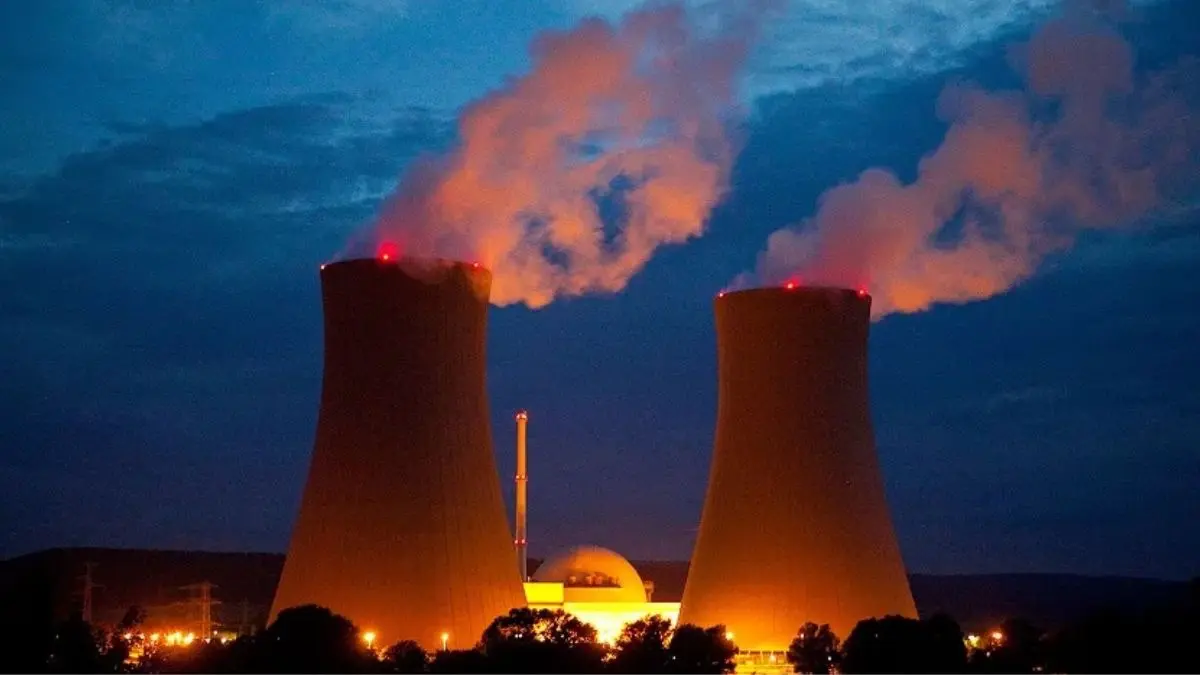
New Delhi: Both the upper and lower houses of the Parliament voted on the historic Sustainable Harnessing and Advancement of Nuclear Energy for Transforming India (SHANTI) Bill on Thursday. The Rajya Sabha approved the legislation by a voice vote on Thursday, following its passage in the Lok Sabha on Wednesday. With the passage of the bill in the Rajya Sabha, the move completed the parliamentary stage of the country’s civil nuclear framework, which has until now been dominated by state‑run entities.
According to information, following the Parliament's approval, the SHANTI Bill has paved the way for private companies, both Indian and foreign, to own and operate nuclear power plants, a decision which has shifted the monopoly of the Nuclear Power Corporation of India to a broader market. The decision also rewrote the existing liability regime, which is to make compensation payouts by plant operators more predictable in the event of a nuclear accident.
The government, by easing the nuclear energy rules, is expecting to lure fresh investment, cutting‑edge technology and specialist expertise into a sector that currently supplies only a few percent of the nation’s electricity.
Speaking in the Upper House, Minister of State for the Department of Atomic Energy, Jitendra Singh, stressed that nuclear energy offers a reliable 24‑hour power supply, unlike renewables that depend on the weather. He argued that expanding nuclear capacity is essential to meet India’s soaring electricity demand while keeping the grid stable.
Advertisement
The Union Minister reassured the MPs in the Parliament that safety would not be compromised, stating that the existing safeguard mechanisms would remain intact and that there have been no reported radiation‑related incidents affecting the public to date.
The concerned officials stated that now, with the Bill cleared by both chambers, the focus is on the implementation of the law. The officials stated that the private firms will need licences to build and run reactors, and the Atomic Energy Regulatory Board will retain its oversight role to ensure stringent safety standards. The government maintained that the reforms will accelerate the rollout of clean, dependable energy and help India meet its long‑term climate goals, all while keeping public safety at the heart of the nuclear programme.
Advertisement
Get Current Updates on India News, Entertainment News, Cricket News along with Latest News and Web Stories from India and around the world.