
Liquor Ban Sparks Politics, Drug Menace Devours Kashmir’s Youth
As Jammu and Kashmir debates Omar Abdullah’s stand on alcohol sales, a deeper crisis continues to devastate the valley: rising drug addiction. While liquor shops remain politically and culturally contentious, families across Kashmir are battling the far deadlier menace of narcotics, crime, and shattered futures.
- India News
- 4 min read

;'%3e%3cpath%20d='m8,15.99c4.41,0,7.99-3.58,7.99-7.99S12.41,0,8,0,0,3.59,0,8s3.58,7.99,7.99,7.99Z'%20style='stroke:%23fff;%20stroke-miterlimit:10;%20stroke-width:.02px;'/%3e%3cpath%20d='m3.08,3.37l3.82,5.11-3.84,4.15h.87l3.37-3.64,2.72,3.64h2.94l-4.04-5.39,3.58-3.87h-.86l-3.1,3.35-2.5-3.35h-2.94Zm1.27.64h1.35l5.97,7.99h-1.35l-5.97-7.99Z'%20style='fill:%23fff;'/%3e%3c/g%3e%3c/svg%3e)


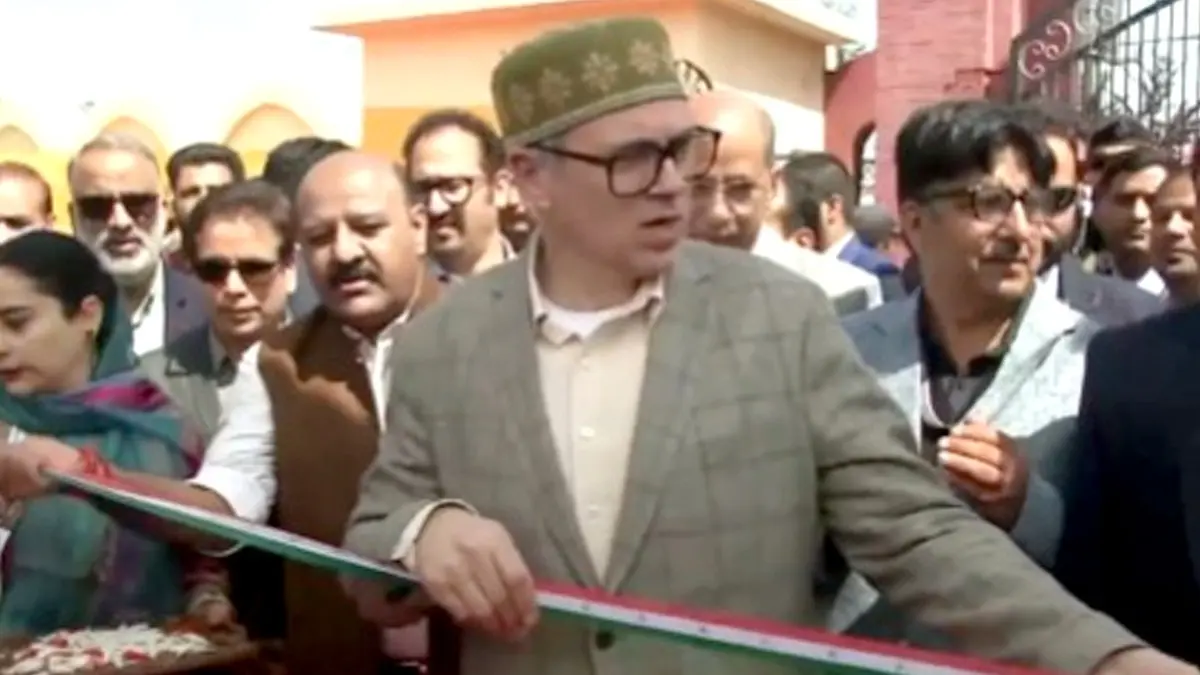
The debate over alcohol in Jammu and Kashmir has ignited a storm that goes far beyond the question of liquor shops. Chief Minister Omar Abdullah’s defense of licensed alcohol sales; that the government is not compelling anyone to drink but merely allowing regulated shops for those whose faith does not prohibit consumption, has provoked sharp criticism from PDP and others who demand a blanket ban. Omar insists his government has neither opened new shops nor promoted alcohol, only permitted them under law, while his critics accuse him of ignoring the cultural sensibilities of the Muslim-majority region and failing to use his legislative strength to impose prohibition.
But while leaders spar over alcohol, the valley is being gutted by a far more sinister menace: drugs. Unlike liquor shops, which operate under government-issued licenses and taxation, narcotics are trafficked illegally, with no oversight, no regulation, and no legitimacy. Drug peddlers hunt for pawns among vulnerable youth, luring them into addiction and trapping them in cycles of crime. Once trapped, many addicts spiral into theft, burglary, and even violence to sustain their dependency. Families are left devastated, parents forced to search desperately for rehabilitation centers, often paying exorbitant sums for treatment that drains their savings and tests their endurance. The emotional toll is unbearable: mothers and fathers watch their children waste away, their futures stolen by substances that offer only ruin.
The government’s crackdown on drug networks is genuine and necessary, because these operations are entirely outside the law. Unlicensed dens, hidden supply chains, and street-level peddlers are being demolished and dismantled. Unlike alcohol shops, which are visible and regulated, drug cartels thrive in secrecy, feeding off despair and exploiting the cracks in society. The distinction is stark: alcohol sales are legal but contested, while narcotics are criminal and lethal.
Yet the cultural unease surrounding alcohol cannot be dismissed. For most in Kashmir, liquor shops are seen as an affront to tradition and faith. Critics argue that if states like Gujarat and Bihar can impose prohibition, Kashmir too should follow suit. They warn that even regulated alcohol can act as a gateway, tempting youth into habits that corrode social fabric. Omar counters that individual choice must be respected, and that his government has taken steps to minimize exposure by restricting shop locations.
Advertisement
This clash of perspectives reveals a deeper struggle: whether governance should prioritize regulation and freedom of choice or bend to cultural and religious sensibilities. On one side stands the argument of legality and personal liberty; on the other, the demand for prohibition rooted in identity and morality. Meanwhile, the drug crisis rages on, claiming lives daily, pushing families into despair, and forcing the state to wage a relentless battle against an enemy that thrives in shadows.
The valley today is caught between two realities. Licensed liquor shops, though legal, remain a source of political and cultural contention. Drugs, however, are an unambiguous evil, tearing apart homes and futures. Parents plead for rehabilitation, communities demand stronger crackdowns, and the government struggles to balance regulation with morality. As leaders trade words, the youth of Kashmir stand at the crossroads, vulnerable to both temptation and exploitation.
Advertisement
The debate is not just about alcohol; it is about the kind of society Kashmir envisions for its future. Will governance lean on legality and individual freedom, or will it heed calls for prohibition in deference to cultural identity? Whatever the outcome, the urgency of the drug menace cannot be ignored. It is a crisis that is already consuming lives, draining families, and shaking the valley’s foundations. Words alone will not suffice; decisive action is needed to protect the youth, preserve the culture, and secure the future of Kashmir.
The strength of this debate lies in its symbolism. Alcohol shops, licensed and visible, represent the state’s authority to regulate choice. Drugs, hidden and illegal, represent the collapse of control and the corrosion of society. Parents who sell land to pay for rehabilitation, families who lose sons to overdoses, and communities that watch their youth slip into crime are living proof that the valley’s greatest battle is not fought in assembly halls but in homes and streets. The government may defend regulation, the opposition may demand prohibition, but the people demand survival. And survival will only come when the fight against drugs is relentless, when rehabilitation is accessible, and when leaders stop trading words and start saving lives.
Get Current Updates on India News, Entertainment News, Cricket News along with Latest News and Web Stories from India and around the world.