
Women’s Quota Amendment Defeat in Parliament, What Becomes of Modi Govt’s Other Two Bills Now?
The Modi government faced a rare defeat in Parliament as the women’s quota amendment bill failed to secure a two-thirds majority. With the main bill rejected, the Delimitation Bill and Union Territories Laws Bill were withdrawn. The 2023 Nari Shakti Vandan Adhiniyam remains in place, but its implementation depends on future census and delimitation.
- India News
- 2 min read

;'%3e%3cpath%20d='m8,15.99c4.41,0,7.99-3.58,7.99-7.99S12.41,0,8,0,0,3.59,0,8s3.58,7.99,7.99,7.99Z'%20style='stroke:%23fff;%20stroke-miterlimit:10;%20stroke-width:.02px;'/%3e%3cpath%20d='m3.08,3.37l3.82,5.11-3.84,4.15h.87l3.37-3.64,2.72,3.64h2.94l-4.04-5.39,3.58-3.87h-.86l-3.1,3.35-2.5-3.35h-2.94Zm1.27.64h1.35l5.97,7.99h-1.35l-5.97-7.99Z'%20style='fill:%23fff;'/%3e%3c/g%3e%3c/svg%3e)


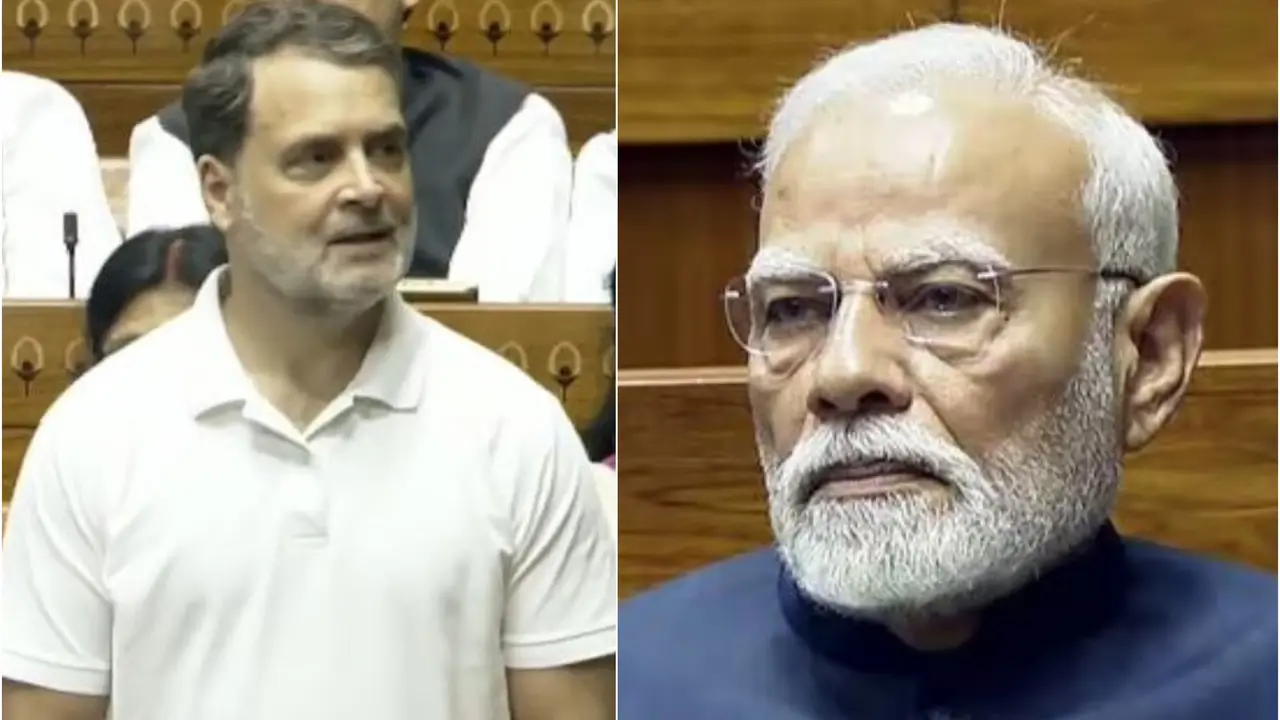
New Delhi: The central government faced a rare setback in Parliament on Friday after its proposed constitutional amendment linked to women’s reservation failed to pass in the Lok Sabha.
The Constitution (131st Amendment) Bill, 2026, which aimed to speed up the implementation of women’s reservation in Parliament and state assemblies, did not get the required two-thirds majority. While 298 MPs voted in favour and 230 opposed it, the bill needed 352 votes to pass. It fell short by 54 votes.
This marks the first time since 2014 that a major government bill has been defeated in the Lok Sabha.
What happens to the other two bills?
After the defeat, the government decided not to move forward with the two other bills that were introduced along with it:
Advertisement
- Delimitation Bill, 2026
- Union Territories Laws (Amendment) Bill, 2026
Parliamentary Affairs Minister Kiren Rijiju said these three bills were closely connected. Since the main constitutional amendment did not pass, the government chose to withdraw the other two as well.
In simple terms, all three proposals were part of one larger plan. With the main plan failing, the supporting bills have also been put on hold.
Advertisement
Why were these bills linked?
The amendment bill was designed to change how and when women’s reservation would be implemented. It was tied to a fresh redrawing of parliamentary seats (delimitation), which the second bill aimed to carry out. The third bill dealt with related changes in Union Territories like Delhi and Puducherry.
Because these steps depended on each other, moving ahead with just one or two of them would not have worked.
What remains in place?
The earlier law passed in 2023 - the Nari Shakti Vandan Adhiniyam - still exists. It promises 33% reservation for women in legislatures, but it can only be implemented after a future census and delimitation exercise.
For now, the government will have to rethink its approach if it wants to bring women’s reservation into effect earlier than planned. Any new proposal will need fresh approval from Parliament.
A Cabinet meeting is expected to discuss the next steps.
Get Current Updates on India News, Entertainment News, Cricket News along with Latest News and Web Stories from India and around the world.