
Red Fort Blast Exposes Pakistan’s Silent War on Kashmir
A deep investigation into Kashmir’s shifting terror landscape reveals how Pakistan-backed handlers are recruiting individuals with clean profiles, leading to the emergence of “white-collar terror modules” and culminating in the 2025 Red Fort suicide bombing.
- India News
- 5 min read

;'%3e%3cpath%20d='m8,15.99c4.41,0,7.99-3.58,7.99-7.99S12.41,0,8,0,0,3.59,0,8s3.58,7.99,7.99,7.99Z'%20style='stroke:%23fff;%20stroke-miterlimit:10;%20stroke-width:.02px;'/%3e%3cpath%20d='m3.08,3.37l3.82,5.11-3.84,4.15h.87l3.37-3.64,2.72,3.64h2.94l-4.04-5.39,3.58-3.87h-.86l-3.1,3.35-2.5-3.35h-2.94Zm1.27.64h1.35l5.97,7.99h-1.35l-5.97-7.99Z'%20style='fill:%23fff;'/%3e%3c/g%3e%3c/svg%3e)


New Delhi: In the shifting sands of Jammu & Kashmir’s conflict landscape, a new and deeply unsettling trend has emerged. Terror handlers, many operating from across the border in Pakistan, are no longer recruiting the usual suspects. Instead, they are targeting individuals with no separatist links, no criminal records, no visible signs of radicalism. This quiet recalibration of terrorist strategy is not just tactical; it is psychological warfare. A war waged in silence, in anonymity, in the blind spots of our institutions and communities.
For decades, the Jammu & Kashmir Police and security agencies relied on a predictable profile: the flagged sympathizer, the known troublemaker, the one with a record. That profile is now obsolete. The new recruit is invisible; an ordinary student, a shopkeeper’s son, a young man with no history of dissent. This shift is not just clever; it is cruel. It weaponizes innocence, exploits trust, and destabilizes the very social fabric Kashmir is struggling to rebuild.
Families are blindsided by the sudden disappearance of their sons. There are no warning signs, no whispers of ideology, no suspicious calls. Just silence. And then, a knock on the door, a raid, a revelation. The grief is compounded by shame, by stigma, by the unbearable question: how did we not see this coming? Communities, already fractured by decades of conflict, now face a new kind of paranoia. Suspicion seeps into classrooms, playgrounds, places of worship. The line between civilian and combatant blurs, and with it, the fragile trust that holds society together.
For Pakistan-backed handlers, this strategy offers stealth, mobility, and plausible deniability. Clean recruits are harder to track, easier to move, and more likely to evade surveillance. They are not just foot soldiers—they are Trojan horses. But this tactic also reveals desperation. The handlers are no longer relying on ideology or legacy; they are fishing in the dark, hoping to hook the disillusioned, the unemployed, the emotionally vulnerable. It is a gamble, and one that could spiral into chaos.
Advertisement
The challenge for law enforcement is immense. Traditional intelligence grids are rendered ineffective. Profiling fails. Surveillance falters. JKP is forced to rethink its entire approach, shifting from reactive to anticipatory, from physical tracking to psychological mapping. But this requires resources, training, and above all, trust. Trust from the people, trust from the families, trust from the youth who must now become the first line of defence against radicalization.
To their credit, the Jammu & Kashmir Police have begun adapting. Their community outreach programs and digital monitoring cells are early but promising steps. Officers are being trained in behavioural analysis, not just patrol. In several cases, JKP has successfully intercepted radicalization attempts through timely intervention and counselling, not just arrests. This is not just policing— it is social healing in uniform.
Advertisement
Then came the turning point: the uncovering of the “white-collar terror module”. Highly educated youth with no prior criminal records were found to be radicalised by Pakistan-linked handlers. CCTV footage, threat posters, and digital trails led to arrests that exposed a new pattern of recruitment—one that bypasses ideology and taps into emotional vulnerability. The role of Maulvi Irfan Ahmad, linked to handlers across the border, revealed how religious manipulation and emotional grooming are now tools of terror. Pakistan’s strategy is no longer about loud proclamations or visible insurgency; it is about quiet infiltration, about turning the ordinary into the operative.
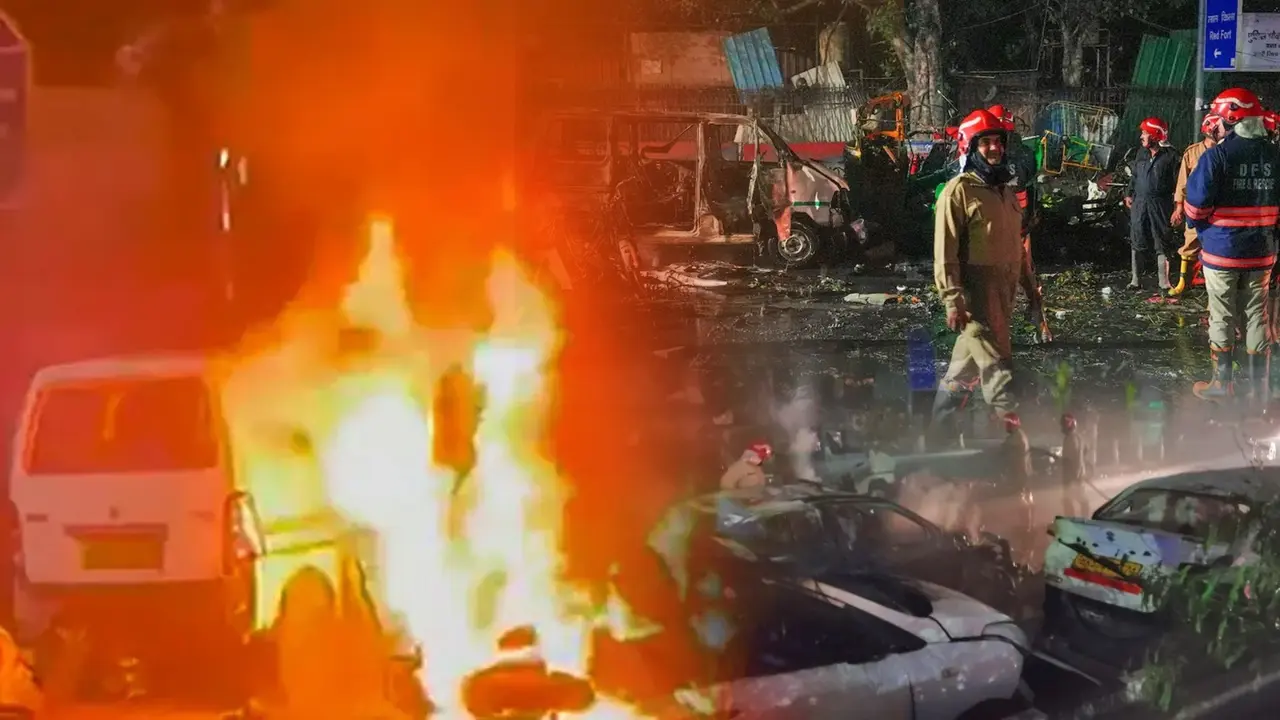
This evolution reached its most horrifying climax with the Red Fort suicide bombing on November 10, 2025. The attack, which claimed 13 lives, was executed using a Hyundai i20 rigged with explosives. The car was registered in the name of Amir Rashid Ali, another Kashmiri youth allegedly manipulated into facilitating logistics. Investigations revealed that Dr Umar Nabi, a Pulwama-based medical practitioner, was the suicide bomber. His obsession with deploying a Fidayeen had been brewing for over a year. His links to a Turkey-based handler codenamed ‘Ukasa’ confirmed the cross-border orchestration. The blast was not just an act of terror; it was a statement. A declaration that radicalisation has breached the walls of education, professionalism, and urban civility.
In parallel, AK-47 rifles and other arms were recovered from hideouts linked to the same module, including locations in Faridabad and South Kashmir. These recoveries underscore the lethal intent behind the facade of normalcy. The module wasn’t just about ideology; it was about execution, precision, and psychological warfare.
For Kashmir, this is a wound layered in betrayal. The image of a doctor; once a symbol of healing; now associated with destruction, has shattered public trust. Families are devastated, not just by loss, but by disbelief. Communities reel under the weight of suspicion. The grief is no longer just about those who died—it’s about those who turned.
Jammu & Kashmir Police, led by officers like SSP Dr GV Sundeep Chakravarthy, have shown remarkable resilience. Their breakthrough in cracking the module, intercepting digital trails, and preventing further attacks is commendable. But the challenge is far from over. The enemy is now embedded in the ordinary. Surveillance must evolve. Intelligence must become intuitive. And society must heal.
Kashmir is bleeding; not just from the Red Fort blast, but from the erosion of innocence. The soul of the valley is under siege. To protect it, we must confront not just the gun, but the silence, the manipulation, and the betrayal. We must rebuild trust, restore dignity, and reclaim the narrative; before another doctor turns into a detonator.
Get Current Updates on India News, Entertainment News, Cricket News along with Latest News and Web Stories from India and around the world.