
'Rules Must Ensure Natural Justice': SC to Hear Plea Over Blocking of Social Media Content
Supreme Court agreed to examine a petition challenging the blocking of social media accounts and online content without prior notice to creator or originator.
- India News
- 3 min read

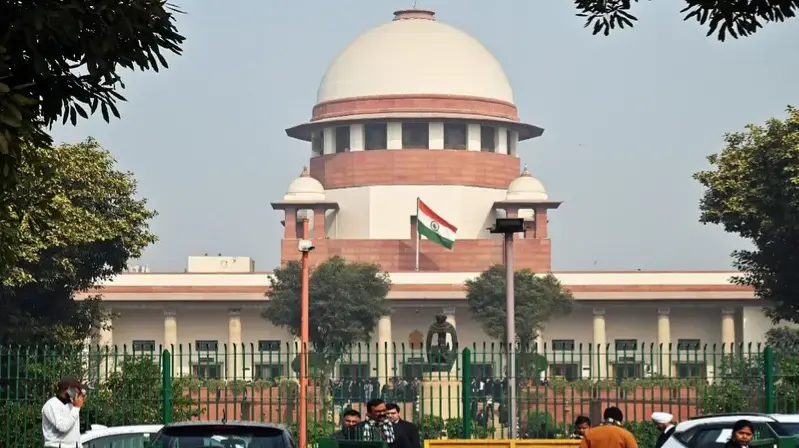
New Delhi: The Supreme Court on Monday agreed to examine a petition challenging the blocking of social media accounts and online content without prior notice to the creator or originator. The bench of Justices B R Gavai and Augustine George Masih sought the Centre’s response to the plea, which questioned Rule 16 of the Information Technology (Procedure and Safeguards for Blocking for Access of Information by Public) Rules, 2009.
The court issued a notice on the matter, taking the first step toward reviewing the validity of the blocking rules.
Petitioner Calls for Notice to Content Creators
Senior advocate Indira Jaising, appearing for petitioner Software Freedom Law Center, argued that content creators were not given notice before their posts or accounts were blocked. Instead, only social media platforms like X were informed.
"The challenge is not that the government does not have the power to take down information, but while taking down the information, notice should be given to the person who has put that information in the public domain," Jaising said.
Advertisement
The plea, filed by advocate Paras Nath Singh, stated that Rule 8 of the 2009 Rules gave "unguided discretion" to authorities by making it optional to notify the content creator before blocking their content.
Advertisement
Judges Weigh In on the Issue
The bench initially noted that an aggrieved individual could challenge the blocking in court. Justice Gavai observed that if a content creator was identifiable, they should receive notice, but if not, the platform hosting the content would be informed instead.
"The challenge is that the rules of natural justice are not complied with in relation to the person who originates the information," Jaising emphasized.
Justice Gavai responded, saying that the rule should be interpreted in a way that ensures identifiable persons receive notice before any blocking action.
When Jaising referred to social media usage, Justice Gavai humorously remarked, "I am not on either X, Y, or Z," indicating his absence from social media platforms.
Petition Highlights Suppression of Free Speech
The plea highlighted that numerous websites, apps, and social media accounts had been blocked without explanation or the chance for the affected individuals to defend their content.
"The 2009 blocking rules, in their present form, allow the respondents to block online content posted by citizens without providing any rationale and without affording any chance for the owner or poster of the content to be heard," the petition stated.
It also pointed out that the blocking requests were kept confidential, depriving citizens of their fundamental rights under Article 19(1)(a) (freedom of speech and expression) and Article 21 (right to life and liberty) of the Constitution.
The petition urged the apex court to intervene urgently to protect free speech and democracy. It also called for notices to be issued to both the content creator and the intermediary whenever a blocking request was made under Section 69A of the Information Technology Act, 2000.
The Supreme Court’s final ruling on the matter is expected to have significant implications for digital rights and online censorship in India.
Get Current Updates on India News, Entertainment News, Cricket News along with Latest News and Web Stories from India and around the world.