
Updated 19 December 2024 at 20:52 IST
Stubble Burning Caused 10 Per Cent Of PM2.5 Pollution In Delhi: Govt
In response to a question in Rajya Sabha, MoS Vardhan Singh said that air pollution in north India during winters is a collective outcome of multiple factors.
- India News
- 2 min read

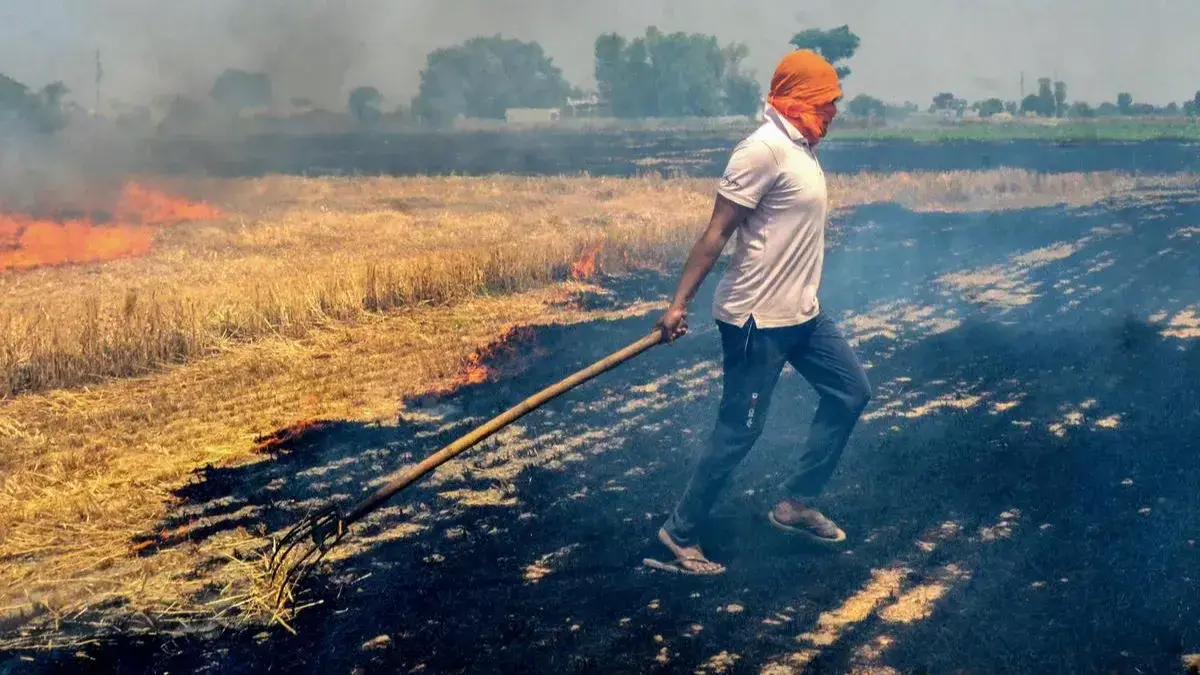
New Delhi: Stubble burning contributed an average of 10.6 per cent to Delhi's PM2.5 pollution from October 8 to December 7, the government said on Thursday.
In response to a question in Rajya Sabha, Minister of State for Environment Kirti Vardhan Singh said that air pollution in north India during winters is a collective outcome of multiple factors including high levels of anthropogenic activities in the densely populated region.
During winter months, lower temperature, lower mixing heights, inversion conditions and stagnant winds lead to trapping of the pollutants resulting in high pollution in the region. This is further aggravated due to the emissions from episodic events like stubble burning, firecrackers, etc," he said in a written reply.
The minister said that according to the Decision Support System of the Indian Institute of Tropical Meteorology, Pune, the average and maximum contribution of stubble burning to PM2.5 pollution in Delhi stood at 10.6 per cent and 35 per cent during the period from October 8 to December 7. PM2.5 refers to fine particulate matter less than 2.5 microns in diameter which can penetrate deeply into the lungs, impairing their function, and even the bloodstream.
Advertisement
According to a Delhi Pollution Control Committee (DPCC) analysis, the city experiences peak pollution from November 1 to 15, coinciding with a rise in stubble-burning incidents in Punjab and Haryana.
Advertisement
Major factors behind stubble burning include the paddy-wheat cropping system, cultivation of long-duration paddy varieties, mechanised harvesting that leaves standing crop stubble, labour scarcity, and the lack of a viable market for crop residue.
Get Current Updates on India News, Entertainment News, Cricket News along with Latest News and Web Stories from India and around the world.
Published By : Shashwat Bhandari
Published On: 19 December 2024 at 20:52 IST