
India’s Silent Retail Crisis That No One Is Talking About
India's retail faces a hidden crisis with erratic sales and declining customer loyalty. Despite 98% of transactions occurring in-store, many retailers neglect post-sale engagement, unlike successful e-commerce, leading to missed opportunities for fostering long-term customer relationships.
- Utility News
- 4 min read

;'%3e%3cpath%20d='m8,15.99c4.41,0,7.99-3.58,7.99-7.99S12.41,0,8,0,0,3.59,0,8s3.58,7.99,7.99,7.99Z'%20style='stroke:%23fff;%20stroke-miterlimit:10;%20stroke-width:.02px;'/%3e%3cpath%20d='m3.08,3.37l3.82,5.11-3.84,4.15h.87l3.37-3.64,2.72,3.64h2.94l-4.04-5.39,3.58-3.87h-.86l-3.1,3.35-2.5-3.35h-2.94Zm1.27.64h1.35l5.97,7.99h-1.35l-5.97-7.99Z'%20style='fill:%23fff;'/%3e%3c/g%3e%3c/svg%3e)


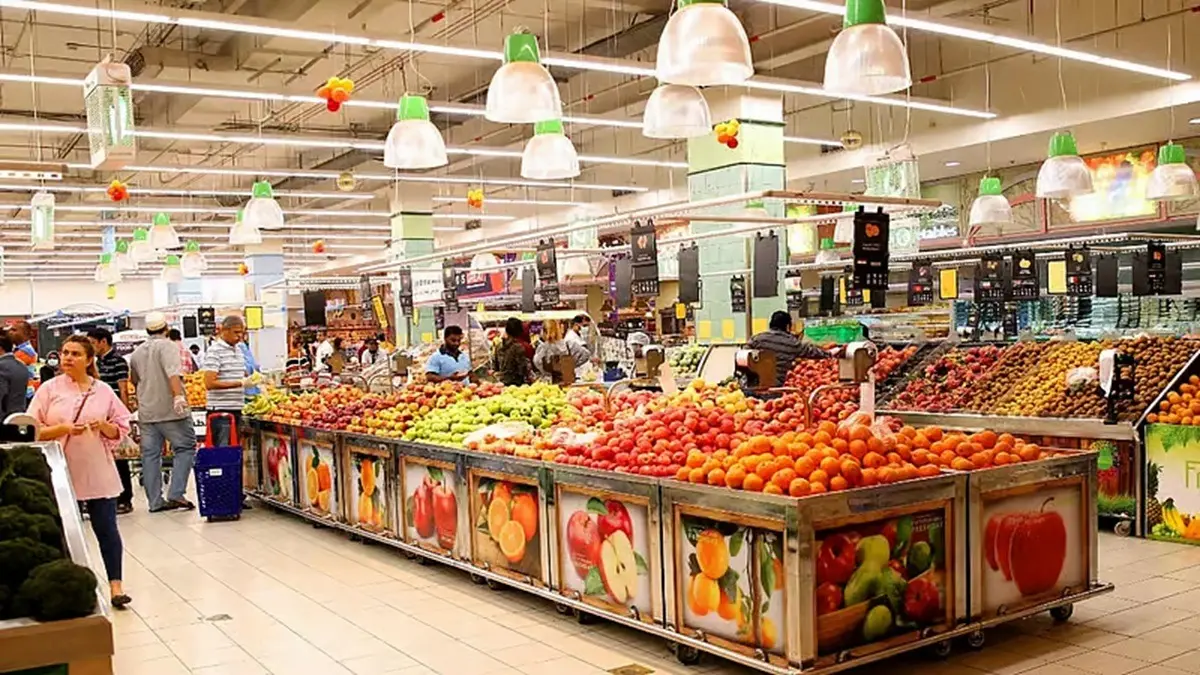
New Delhi: India's offline retail sector may look healthier than ever, with crowded malls, expanding shopping centres and new brands entering the market, but retailers are increasingly confronting a challenge that many say is harder to solve than competition from e-commerce.
Despite more than 98 per cent of retail transactions still taking place in physical stores, businesses are struggling with inconsistent sales, declining repeat customers and weak customer retention, prompting industry experts to argue that the sector's biggest problem begins after a purchase is made, not before.
For years, the rise of e-commerce has been blamed for the struggles faced by offline retailers. However, industry experts argue that the narrative overlooks a deeper issue. According to founders of retail engagement platform BillFree, Akash Agrawal and Rupesh Mor Goyal, the real problem lies not in customer acquisition but in maintaining relationships once shoppers leave the store.
The Easy Blame: E-commerce
Many retailers have attributed declining growth to the rise of online marketplaces and quick-commerce platforms. A mobile phone shop owner in East Delhi recalled how customers once relied on local stores not only for purchases but also for advice, repairs and trusted service.
Advertisement
As online platforms expanded, footfall began to decline and shoppers increasingly compared prices digitally before making purchases. For many retailers, falling sales and shrinking margins appeared to confirm that e-commerce was the primary culprit.
However, BillFree’s founders argue that the explanation is only part of the story. Data from Bain & Company shows that more than 98 per cent of retail transactions in India still take place through offline channels despite the rapid expansion of e-commerce.
Advertisement
Customers continue to prefer physical stores for purchases involving trust, experience, immediate availability and product interaction, raising questions about why many retailers still struggle to achieve consistent growth.
The Problem Retailers Were Missing
After interacting with thousands of retailers across different categories and cities, Agrawal and Goyal identified a recurring pattern. Many store owners were unable to clearly state how many customers returned for repeat purchases or how frequently shoppers revisited their stores.
According to the founders, the biggest gap often appears after the transaction is completed. Once customers leave the store, retailers frequently lose all visibility into their future buying behaviour.
The issue, they argue, is not necessarily linked to pricing, product quality or merchandising. Instead, many businesses lack structured systems to reconnect with customers, monitor repeat visits or identify when loyal shoppers stop returning.
"It wasn't negligence. It was simply how offline retail had always functioned," the founders noted, adding that most retailers have traditionally focused on closing sales rather than nurturing long-term customer relationships.
What E-commerce Understands Better
The founders believe online retailers have gained an edge not only because of convenience and competitive pricing but also because they continuously engage customers after a purchase.
E-commerce platforms track browsing patterns, purchase history and shopping frequency, enabling them to send personalised recommendations, reminders and targeted offers. This allows digital businesses to maintain an ongoing relationship with shoppers long after a transaction has been completed.
Offline retailers, by contrast, often lose contact with customers once they walk out of the store.
Seeking to address this gap, Agrawal and Goyal launched BillFree in Noida in 2016. The company initially operated as a retail customer relationship management platform and worked with brands including Nike, Yokohama and Mohanlal Sons.
Over time, BillFree shifted its focus from mass communication tools to personalised customer engagement and repeat revenue generation, eventually developing what it calls a "Post-Purchase Revenue Intelligence" framework.
Why Customer Retention Matters
Industry experts increasingly view customer retention as a critical factor in the future of organised retail.
The article cites women's lingerie brand Savvyy as one example of a retailer using post-purchase engagement strategies to maintain consistent communication with customers.
According to the company, staying connected with shoppers after they leave the store has helped create a smoother customer experience while simplifying marketing efforts.
As India's organised retail sector continues to expand, analysts believe the next phase of growth will be driven by retailers that focus not only on attracting customers but also on ensuring they return.
For BillFree's founders, the lesson is straightforward: the customer relationship should not end at the billing counter. Instead, they argue, the sale marks the beginning of an ongoing engagement that can ultimately determine a retailer's long-term success.