
Bedroom Vastu for Better Sleep: Designing Restful Spaces Through Colour, Layout and Materials
Beyond colours and layouts, the materials used in a bedroom significantly influence how the space feels. Natural textures and low-maintenance surfaces tend to create a calmer environment compared to highly reflective or visually busy finishes.
- Initiatives News
- 5 min read

;'%3e%3cpath%20d='m8,15.99c4.41,0,7.99-3.58,7.99-7.99S12.41,0,8,0,0,3.59,0,8s3.58,7.99,7.99,7.99Z'%20style='stroke:%23fff;%20stroke-miterlimit:10;%20stroke-width:.02px;'/%3e%3cpath%20d='m3.08,3.37l3.82,5.11-3.84,4.15h.87l3.37-3.64,2.72,3.64h2.94l-4.04-5.39,3.58-3.87h-.86l-3.1,3.35-2.5-3.35h-2.94Zm1.27.64h1.35l5.97,7.99h-1.35l-5.97-7.99Z'%20style='fill:%23fff;'/%3e%3c/g%3e%3c/svg%3e)


In an age where sleep deprivation and stress have become common concerns, homeowners are increasingly looking beyond traditional wellness solutions and turning to their living spaces for support. Among the many design philosophies gaining renewed attention, Vastu Shastra continues to influence how Indian homes are planned and designed. While often associated with entrances and kitchens, Vastu principles can be particularly impactful in the bedroom—a space dedicated to rest, recovery, and rejuvenation.
According to Vastu Shastra, the bedroom is more than just a room; it is a sanctuary where the body and mind reset after a long day. When thoughtfully designed, a Vastu-aligned bedroom can promote relaxation, support healthy circadian rhythms, and contribute to deeper, more restorative sleep.
Start with the Right Location
One of the most important principles of bedroom Vastu relates to its placement within the home. The south-west direction is widely considered the ideal location for the master bedroom. This zone receives comparatively less direct sunlight during the day, creating a naturally calmer and more stable environment associated with rest, longevity, and emotional balance.
For homeowners planning a renovation or a new home, allocating the primary bedroom to the south-west can help establish a sense of grounding and stability. While apartment layouts may not always allow complete flexibility, understanding directional principles can still help inform furniture placement and décor choices.
Advertisement
The Direction You Sleep Matters
Vastu places considerable emphasis on sleeping orientation. It recommends positioning the bed so that the head points towards the south or east while sleeping, with the feet directed towards the north or west.
The rationale behind this principle lies in the belief that aligning the body with the Earth's magnetic field promotes better energy flow and restful sleep. Whether one follows Vastu strictly or views it through a wellness lens, many interior designers note that consciously orienting the bed often creates a stronger sense of order and balance within the room.
Advertisement
Equally important is ensuring that the bed has a solid headboard and is positioned against a stable wall, helping create a feeling of security and comfort.
Choosing Colours That Encourage Calm
Colour psychology and Vastu often intersect when it comes to designing restful bedrooms. Soft, muted colours are generally preferred because they create a tranquil atmosphere and reduce visual stimulation.
Shades such as warm beige, ivory, sage green, dusty pink, lavender, and powder blue are popular choices for contemporary bedrooms. These colours evoke calmness while helping the room feel bright and airy.
For homeowners who prefer darker interiors, the solution is not necessarily to avoid deeper colours altogether. Instead, designers recommend using them strategically. A charcoal or deep olive accent wall can be balanced with lighter artwork, pale upholstery, or natural wood furniture. Similarly, dark flooring can be softened with light rugs and airy textiles to maintain visual balance.
Paint brands like Asian Paints and Nippon Paint India have increasingly introduced nature-inspired palettes that make it easier to create bedrooms that feel both sophisticated and soothing.
Be Mindful of Mirrors
One of the most commonly cited Vastu recommendations is to avoid placing mirrors directly opposite the bed. According to traditional beliefs, seeing one's reflection while sleeping can disturb rest and create an energetic imbalance.
From a design perspective, mirrors reflecting movement, light, or electronic devices can also create visual distractions that interfere with relaxation. If relocating a mirror isn't possible, consider positioning it on a side wall or using curtains or shutters that can conceal it during the night.
Material Choices Shape the Mood
Beyond colours and layouts, the materials used in a bedroom significantly influence how the space feels. Natural textures and low-maintenance surfaces tend to create a calmer environment compared to highly reflective or visually busy finishes.
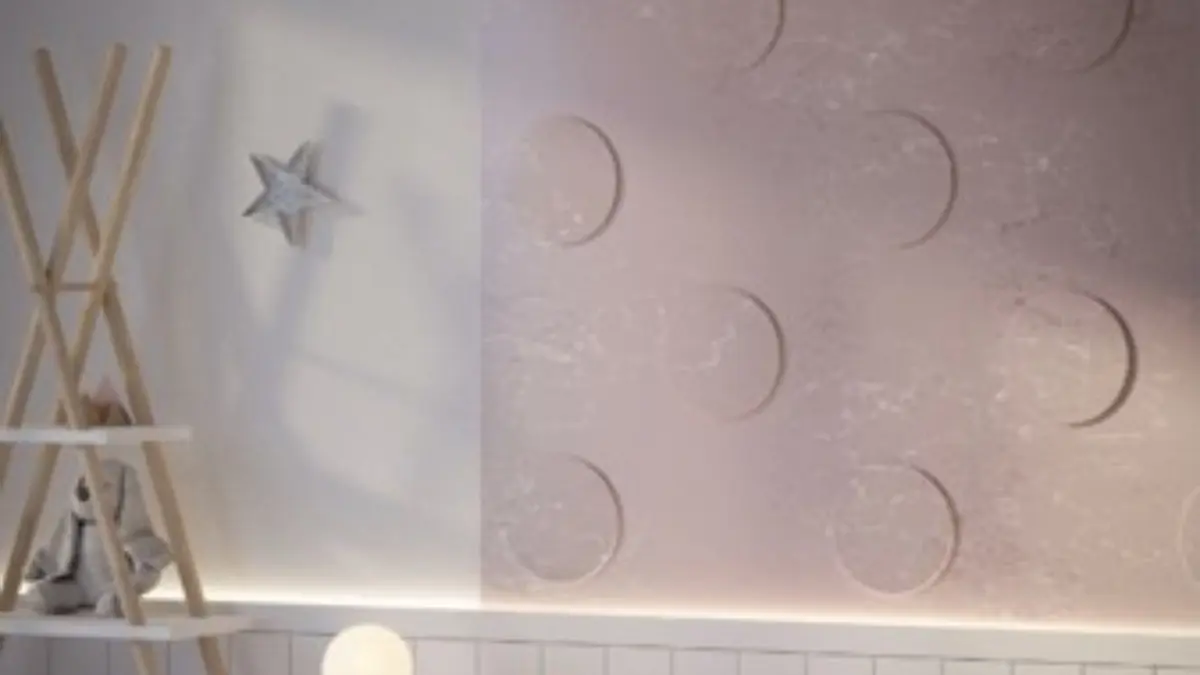
Wood remains a timeless choice for wardrobes, side tables, and bed frames due to its warmth and organic character. Surface materials are also evolving to meet changing homeowner preferences. Increasingly, designers are exploring engineered surfaces not just in kitchens and bathrooms but also in bedroom applications such as dresser tops, side tables, window ledges, and feature wall elements. Quartz surfaces, for instance, offer durability while allowing homeowners to experiment with softer colours and refined textures.
Collections from Specta Quartz Surfaces, particularly those featuring muted hues and subtle patterns, align well with contemporary bedroom aesthetics that prioritise calmness and visual harmony. Their pastel-inspired designs can be incorporated into accent elements without overwhelming the space, helping create a refined yet restful environment.
Designing for Better Rest
Ultimately, Vastu is not simply about following rules—it is about creating spaces that feel balanced, comfortable, and supportive of everyday wellbeing. Whether through thoughtful room orientation, calming colour palettes, strategic mirror placement, or carefully selected materials, every design decision contributes to the overall experience of a bedroom.
As modern homeowners increasingly prioritise wellness at home, the principles of Vastu offer a useful framework for designing bedrooms that do more than look beautiful. They create environments that encourage relaxation, improve sleep quality, and help transform the bedroom into a true retreat from the demands of daily life.