
Building on a Rice Legacy: A Conversation with Aman Gupta, Managing Director, SSIEL Group
SSIEL Group MD Aman Gupta discusses Leysha’s growth strategy, Basmati rice quality, domestic expansion, distribution plans and key business priorities for FY2027–28.
- Initiatives News
- 9 min read


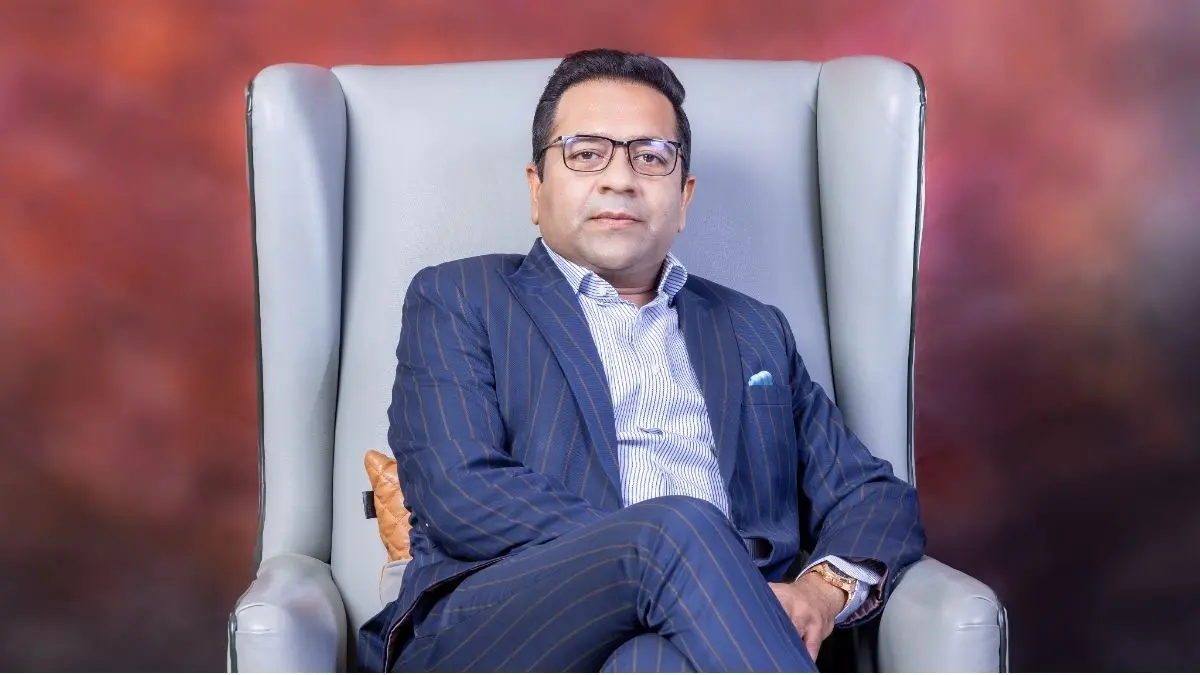
India’s Basmati rice industry is shaped by evolving consumer preferences, international market requirements and growing opportunities in branded packaged rice. For SSIEL Group, which began its journey in rice milling in 1967, the next phase of growth involves building on its export experience while strengthening its presence in the domestic market. Aman Gupta, Managing Director, SSIEL Group, shares his perspective on the company’s expansion plans, Leysha’s positioning in the competitive packaged rice category, distribution priorities and the importance of maintaining consistent quality across markets.
1. How has SSIEL Group's journey in the rice industry evolved over the years, and what are its key priorities for the next phase of growth?
SSIEL Group's journey is rooted in a legacy of rice milling that began in 1967. Over the decades, the business has evolved from a traditional rice mill into an integrated Basmati rice processing and export enterprise, with a presence in over 72 countries across five continents and partnerships with more than 200 global brands. Each phase of this journey has been shaped by a focus on quality, long-term customer relationships and a deeper understanding of international market requirements. Our evolution reflects not just the expansion of our operations, but also our commitment to building a business that can consistently deliver quality and reliability across markets.
As we look ahead, our priority is to build on this foundation while creating new avenues for growth. We aim to strengthen our international business, enhance our processing capabilities and expand our presence in the domestic market through consumer brands such as Leysha and Victory Basmati Rice. We also see opportunities in private-label manufacturing and customised packaging, which allow us to respond more closely to the needs of our global customers. For us, the next phase of growth is about combining our experience in rice processing and exports with a stronger consumer focus, while continuing to build lasting partnerships and a resilient, future-ready business.
2. The basmati rice market has several established players. How does Leysha plan to differentiate itself in a category where consumers often rely on familiarity and brand loyalty?
In the Basmati rice category, we recognise that consumers build trust over time, often staying with brands that consistently deliver on quality, aroma and cooking experience. At Leysha, our approach is to earn that trust through the product itself. Backed by SSIEL Group's decades of experience in rice processing and exports, we bring a strong understanding of grain quality, processing standards and the expectations of consumers across markets.
Advertisement
Our focus is on offering Basmati rice that delivers consistency in grain length, aroma, texture and cooking performance, while catering to different preferences and occasions through our product portfolio. We also believe that premium quality should be supported by accessibility, making it easier for consumers to find a product that suits their needs. As we build Leysha, our emphasis is on creating a meaningful connection with consumers through dependable quality, a clear brand proposition and a consistent experience with every purchase. We want Leysha to be a brand that consumers choose not just to try once, but to return to with confidence.
3. How does the festive season influence demand for Leysha's packaged Basmati rice, and which products are most popular among consumers during this period?
The festive season holds a special place in Indian households, with food being central to family gatherings, celebrations and traditional meals. Basmati rice, in particular, is an integral part of many festive preparations, and consumers increasingly look for quality, aroma and consistent cooking results when choosing rice for these occasions. For Leysha, this presents an opportunity to become part of these meaningful moments by offering products that bring together quality and a dependable cooking experience.
Advertisement
Leysha has more than twenty-five variants and each variant offers consumers flexibility in choosing rice suited to their preferred dishes and cooking styles. At Leysha, we want to build a relationship with consumers that goes beyond seasonal purchases. Our focus is on delivering consistent quality and an experience they can trust, whether they are preparing an elaborate festive spread or a meal for their family. Ultimately, we want Leysha to be a part of the occasions that bring people together around the dining table.
4. What does Leysha's current product portfolio comprise, and does the brand plan to introduce new Basmati rice variants, pack sizes or other product innovations?
Leysha's product portfolio is designed to cater to diverse consumer preferences and cooking requirements. It includes Steam, Golden Sella and Cream Sella Basmati rice, alongside non-Basmati rice offerings under the Eco range and Celebration range. Each category serves different culinary needs, giving consumers flexibility in their choice of rice for everyday meals as well as special occasions.
As we continue to build Leysha's presence in the market, our focus is on strengthening the existing portfolio, expanding consumer reach and responding to evolving preferences. We see opportunities to make our products accessible across different pack sizes and sales channels, while evaluating product innovations that align with consumer demand. Our approach is to grow the portfolio thoughtfully, ensuring that any expansion remains consistent with Leysha's focus on quality and the expectations of our customers.
5. What role will modern retail, general trade, and e-commerce play in Leysha's distribution strategy?
For Leysha, our distribution strategy is focused on making our products easily accessible to consumers across the channels where they prefer to shop. General trade remains important for building a strong retail presence and reaching households through neighbourhood stores. Modern retail and e-commerce offer additional opportunities to showcase our portfolio and connect with consumers seeking greater choice and convenience. We also see quick commerce emerging as a relevant channel, particularly in urban markets where faster fulfilment is becoming an important consideration.
Alongside retail, institutional and HoReCa channels enable us to cater to businesses with distinct consumption and procurement requirements. Going forward, our focus will be on strengthening our presence across these channels and expanding our reach in line with local demand and consumer preferences. The objective is to build a wider distribution network that supports Leysha’s growth while ensuring that consumers can access our products conveniently.
6. What are your immediate geographical priorities for Leysha? Do you plan to establish a strong presence in North India before expanding nationally?
Our immediate priority is to strengthen Leysha’s presence in markets where we can build a strong distribution network and connect with consumers effectively. North India is an important market for us, where consumer comparatively has more purchasing power, given its familiarity with Basmati rice and the category’s established consumption base. We see an opportunity to deepen our reach in the region while building awareness and accessibility across retail channels.
At the same time, our approach is not limited to a single geography. We aim to expand Leysha’s presence in other markets in a phased manner, guided by consumer preferences, distribution capabilities and market demand. Our focus is on building a sustainable national presence, ensuring that growth is supported by consistent product quality and strong distribution.
7. How does SSIEL Group's processing infrastructure, quality control and international certifications support product quality and help the group meet global market requirements?
Over the years, we have learned that in the Basmati rice business, quality is what builds lasting relationships with customers, particularly in international markets where requirements can differ significantly. At SSIEL Group, we have built our operations around this understanding, with quality checks integrated into every stage, from procurement and processing to testing and final packaging. Our processing infrastructure helps us maintain consistency across batches, while laboratory testing and regular assessments help ensure that the rice meets the required standards for grain quality, purity and food safety.
Our international certifications, including BRCGS, ISO, HACCP and FSSC, reflect our commitment to food safety, process control and compliance with global requirements. These systems are particularly important in export markets, where product specifications and regulatory expectations vary across countries. By combining processing capabilities with rigorous quality checks and established compliance systems, we can cater to diverse market requirements while maintaining the consistency and reliability our customers expect. Ultimately, our focus is on delivering quality that meets international standards and reinforces the trust we have built with customers and partners over the years.
8. Which markets and consumer segments present the strongest growth opportunities for Leysha basmati rice, and how does the brand plan to tap into them?
We see growth opportunities for Leysha in strengthening our presence across North India and gradually expanding into other high-potential markets across the country. North India remains an important focus given the region’s established familiarity with Basmati rice. At the same time, we see potential in urban markets where organised retail, e-commerce and quick commerce are creating more opportunities for consumers to discover and purchase packaged rice brands.
From a consumer perspective, our focus is on households looking for consistent quality, aroma and cooking performance, as well as consumers seeking convenient and reliable options for everyday meals and special occasions. We plan to tap into these opportunities by strengthening our distribution across general trade and modern retail, improving our online presence and expanding our reach through institutional and HoReCa channels. Our approach is to build Leysha’s presence market by market, aligning our expansion with local demand and ensuring that consumers can access the right products through their preferred channels.
9. What are the key milestones you want SSIEL to achieve by FY2027–28?
As we look towards FY2027–28, our priority is to build on SSIEL Group’s strong foundation in rice processing and exports while accelerating growth across our consumer-facing businesses. We are working towards strengthening our international presence, deepening relationships with existing customers and exploring opportunities in new markets. Alongside this, we aim to enhance our processing capabilities and continue investing in quality systems to meet the evolving requirements of global markets.
Another key priority is to expand our domestic business through brands such as Leysha and Victory Basmati Rice. This includes strengthening distribution, increasing consumer reach and building a more established presence across retail and digital channels. We also see opportunities to grow our private-label manufacturing and customised packaging business by catering to the specific requirements of international customers. Ultimately, our goal by FY2027–28 is to create a stronger, more diversified business, with sustainable growth across exports, domestic brands and value-added services, while maintaining the quality and reliability that have been central to SSIEL’s journey.