
Car Insurance Documents: Paper Copy vs DigiLocker for Accident Claims in India
DigiLocker and mParivahan records are legally valid at roadside checks, but accident claims need the policy schedule, photos, repair bills and FIR. Keep a digital claim folder plus paper originals.
- Initiatives News
- 4 min read


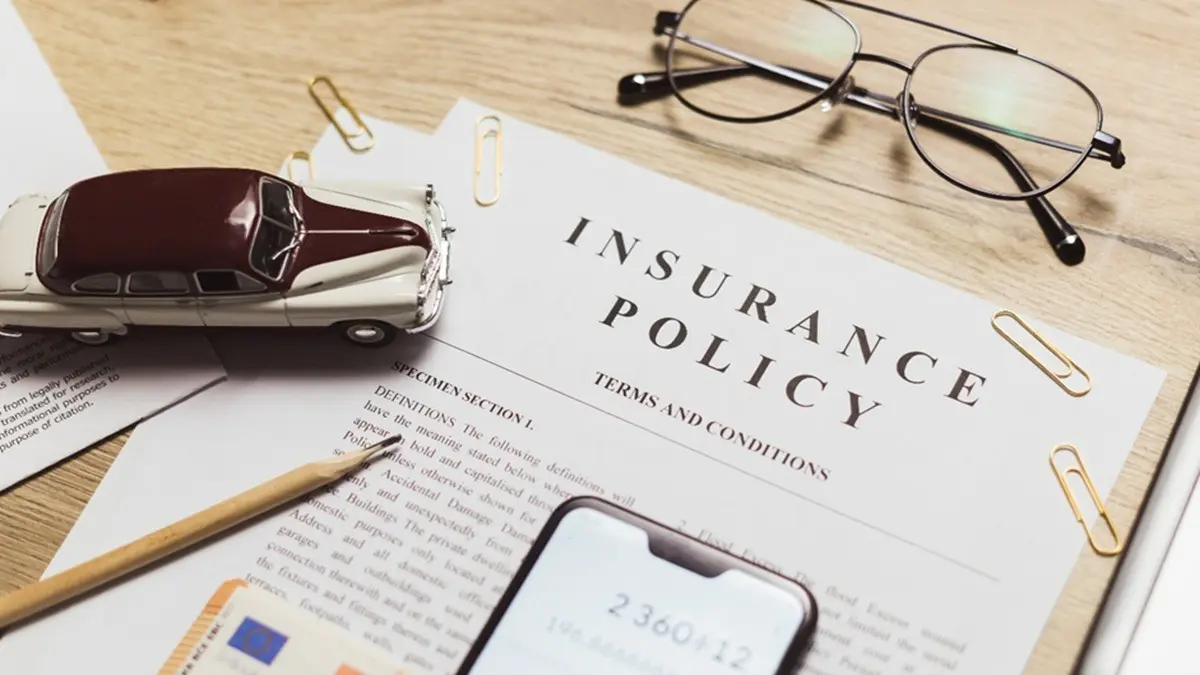
After a road accident, finding the correct documents should not become another problem. Many drivers keep their licence and registration details on their phones, but insurance claims can involve paperwork beyond a traffic check.
Understanding accident claim steps in India begins with knowing which records DigiLocker can provide and which documents an insurer might request separately. Both digital access and a small paper file have their uses, especially when a vehicle needs repairs. This matters particularly when an accident happens away from home.
First, Separate Roadside Checks from Insurance Claims
A traffic officer checking your documents and an insurer reviewing a damaged vehicle are doing different jobs. For a roadside check, officially issued digital driving licences and registration certificates available through DigiLocker or mParivahan are legally recognised.
A claim involves more information. The insurer may need proof of the accident, repair documents and a completed claim form. Showing a digital licence to an officer does not mean the same screen is sufficient to settle a repair claim.
Advertisement
What DigiLocker Can Show
DigiLocker lets you access important vehicle documents digitally, including your driving licence and registration certificate.
Issued Records Have Official Recognition
Records pulled from an authorised government issuer, including an eligible driving licence or registration certificate, are officially recognised. A photograph of a licence saved in your gallery is not the same thing. Use your account to retrieve available records before travelling.
Advertisement
Confirm that the details are correct and that you can open them when required. mParivahan is another recognised option for eligible motor vehicle records. Keep your account access ready rather than discovering a login problem at the roadside.
Insurance Details Need a Separate Check
Valid car insurance is compulsory for driving on Indian roads. Insurance information may also be available through the official vehicle database and reflected in mParivahan. Where active coverage appears in those records, authorities should not insist on a physical insurance certificate merely for a traffic check.
For a claim, retain the actual policy schedule supplied by your insurer. It contains information about coverage, policy dates and contact details that a brief vehicle record may not show.
Keep a Claim Folder Beyond the App
Create a folder on your phone for files that may be useful after an accident. Keep clear copies and store the original paperwork safely at home.
- Policy schedule: Save the current certificate and relevant policy details.
- Vehicle records: Keep your registration information and the driver’s valid licence accessible.
- Claim information: Store the insurer’s claim contact and any claim reference once reported.
- Accident evidence: Retain photographs, dates, locations and details of the vehicles involved.
- Repair paperwork: Keep estimates, invoices and payment receipts where applicable.
- Police records: Retain the FIR or other report when the incident requires one.
Paper Copy vs DigiLocker: Which Is More Useful?
The table below compares paper copies and DigiLocker to help you understand when each format is useful.
| Document | Paper Copy | DigiLocker Or Digital Option |
|---|---|---|
| Insurance certificate | Handy for reference and sharing policy details | Official records can help verify details; the insurer may request a policy PDF. |
| Registration certificate | A printed copy is easy to provide. | An issuer-issued RC can establish registration details. |
| Driving licence | A copy may be requested for the person driving. | An issuer-issued licence can establish licence particulars |
| Accident photographs | Printing is rarely necessary initially. | Send images through the insurer’s specified channel. |
| Repair estimate or bills | Garage can supply printed records. | Insurer may accept electronic copies or ask for originals. |
After an Accident, Use the Right Records
First, attend to anyone who needs medical assistance. When safe, record the incident and inform the insurer promptly. Ask which documents are required for your type of claim and whether they can be uploaded.
For cashless repairs, the insurer may arrange an assessment through a network garage. For reimbursement, retain repair invoices and proof of payment. Avoid assuming that a photograph alone establishes liability or that every accident needs the same police paperwork.
Final Thoughts
DigiLocker is useful for recognised vehicle records, while the insurer’s policy documents and accident evidence support the claim itself.
Keep both readily accessible, check what is officially issued and preserve originals when necessary. That approach makes document handling clearer without relying entirely on paper or your phone throughout the process.