
Does Scalp Oiling Actually Help Hair Growth?
The benefit of oiling isn't that oil feeds your follicles or penetrates deep into the scalp and forces growth. The real value is more indirect -but it's still real.
- Initiatives News
- 4 min read

;'%3e%3cpath%20d='m8,15.99c4.41,0,7.99-3.58,7.99-7.99S12.41,0,8,0,0,3.59,0,8s3.58,7.99,7.99,7.99Z'%20style='stroke:%23fff;%20stroke-miterlimit:10;%20stroke-width:.02px;'/%3e%3cpath%20d='m3.08,3.37l3.82,5.11-3.84,4.15h.87l3.37-3.64,2.72,3.64h2.94l-4.04-5.39,3.58-3.87h-.86l-3.1,3.35-2.5-3.35h-2.94Zm1.27.64h1.35l5.97,7.99h-1.35l-5.97-7.99Z'%20style='fill:%23fff;'/%3e%3c/g%3e%3c/svg%3e)


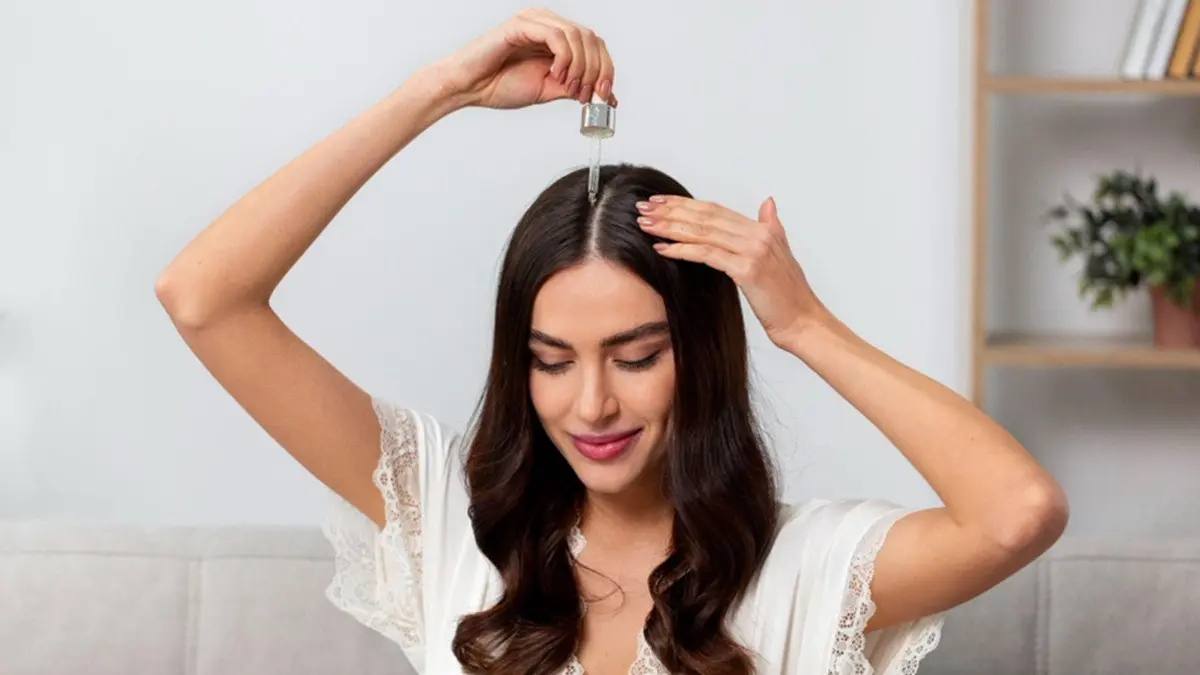
Oiling your scalp is one of those habits that gets passed down without much explanation. Your grandmother swore by it. Your mother did it every Sunday. And somewhere along the way, you either kept the ritual or quietly dropped it -probably wondering if it actually does anything.
So does scalp oiling genuinely support hair growth, or is it mostly a comforting habit dressed up in cultural tradition?
The honest answer is somewhere in the middle. And understanding why requires a closer look at how hair actually grows.
How Hair Growth Works at the Root Level
Advertisement
Hair doesn't grow from the surface. It grows from follicles -tiny structures embedded in your scalp that are fed by blood vessels, regulated by hormones, and influenced by your overall health. Each follicle goes through a cycle: a growth phase (anagen), a transition phase (catagen), and a rest phase (telogen), before the hair sheds and the cycle begins again.
For this cycle to work well, the follicle needs adequate circulation, low inflammation, and the right hormonal balance. It's a biological process -not a topical one. Which means nothing you apply externally can directly "trigger" hair to grow faster at a cellular level.
Advertisement
That said, scalp oiling isn't useless. It just works differently than most people assume.
What Scalp Oiling Actually Does
The benefit of oiling isn't that oil feeds your follicles or penetrates deep into the scalp and forces growth. The real value is more indirect -but it's still real.
Regular scalp massage during oiling increases blood circulation to the area. Better circulation means better nutrient and oxygen delivery to the follicles. A well-circulated follicle is more likely to stay in its active growth phase longer.
Oiling also helps with scalp hydration, which reduces flakiness and irritation. A dry, inflamed scalp creates an environment that's hostile to hair retention. Oils like coconut oil have shown some ability to reduce protein loss in hair strands, which matters for hair that's already prone to breakage.
The massage itself -not just the oil -may be one of the more meaningful parts of the ritual. Research has suggested that consistent scalp massage can increase follicle thickness over time. That's a structural change, not just a cosmetic one.
When Oiling Doesn't Help (and Sometimes Hurts)
There's a version of oiling that actually makes things worse. If you apply heavy oils, leave them on for days, or use them on an already-oily scalp, you risk clogging follicles and creating buildup. That buildup can disrupt the scalp microbiome and even trigger dandruff or folliculitis.
Some people also use oil as a fix for serious hair loss -hormonal thinning, autoimmune conditions, nutritional deficiencies -and wonder why months of oiling haven't reversed anything. The answer is that oil can't correct internal imbalances. If your hair loss has a systemic root cause, topical treatments are going to fall short every time.
The right hair growth oil used correctly -meaning light application, a proper scalp massage, and washing it out within a few hours -can support a healthy scalp environment. But it's one piece, not the whole picture.
What Actually Drives Hair Growth
If oiling alone isn't enough, what is? The factors that most directly affect hair growth are ones that go a little deeper:
- Nutrition: Iron, zinc, biotin, protein, and vitamin D deficiencies are among the most common hidden drivers of hair loss
- Hormones: DHT sensitivity, thyroid imbalances, and cortisol spikes all affect the follicle cycle
- Scalp health: Chronic dandruff, seborrheic dermatitis, or fungal infections can silently suppress growth
- Sleep and stress: Both influence cortisol, which, when chronically elevated, pushes follicles into the resting phase early
Traya's approach to hair loss addresses this layered reality -looking at blood markers, hormonal patterns, and scalp health together rather than recommending a single topical fix.
Understanding what's actually slowing your hair down is the starting point. And it's useful to know what separates manageable shedding from something worth taking seriously -resources like this overview on ways to Hair Grow Faster can help frame the bigger picture.
Final Thoughts
Scalp oiling has a place in a hair care routine, but it's not a treatment -it's a support practice. It helps with circulation, scalp hydration, and stress relief through massage. What it can't do is fix the internal causes of hair loss.
If oiling feels good and works for your scalp type, keep doing it. But if your hair has been visibly thinning or shedding more than usual, the answer is probably not more oil. It's understanding what's happening underneath.