
Dr. Rajat Gupta Explains Why The OCCULT Technique Is An Option For Gynecomastia Surgery
Dr. Rajat Gupta, a board-certified cosmetic and plastic surgeon based in New Delhi, has extensive experience in aesthetic and reconstructive surgery, including gynecomastia correction.
- Initiatives News
- 5 min read

;'%3e%3cpath%20d='m8,15.99c4.41,0,7.99-3.58,7.99-7.99S12.41,0,8,0,0,3.59,0,8s3.58,7.99,7.99,7.99Z'%20style='stroke:%23fff;%20stroke-miterlimit:10;%20stroke-width:.02px;'/%3e%3cpath%20d='m3.08,3.37l3.82,5.11-3.84,4.15h.87l3.37-3.64,2.72,3.64h2.94l-4.04-5.39,3.58-3.87h-.86l-3.1,3.35-2.5-3.35h-2.94Zm1.27.64h1.35l5.97,7.99h-1.35l-5.97-7.99Z'%20style='fill:%23fff;'/%3e%3c/g%3e%3c/svg%3e)


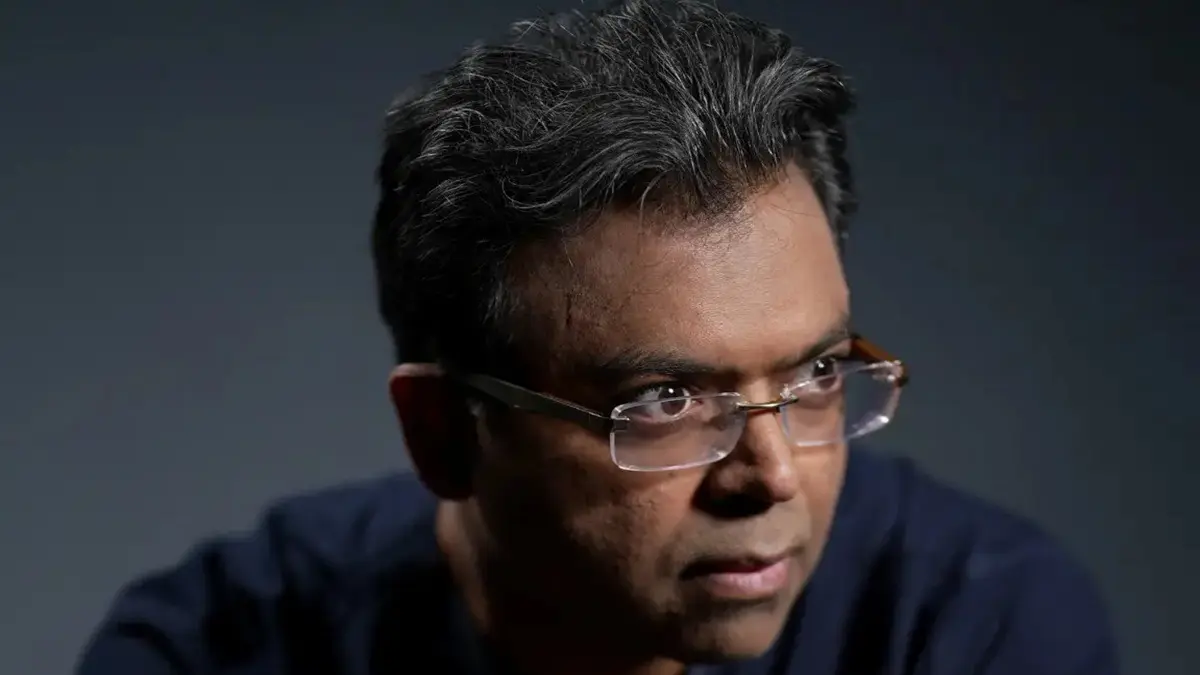
Dr. Rajat Gupta, a board-certified cosmetic and plastic surgeon based in New Delhi, has extensive experience in aesthetic and reconstructive surgery, including gynecomastia correction. His work with male chest surgery has also led him to develop the OCCULT technique, a lateral-access approach designed to address gynecomastia while keeping the incision away from the visible front of the chest. For patients considering surgery, Dr. Rajat Gupta believes understanding the available techniques is an important part of making an informed decision.
Gynecomastia surgery has changed considerably over the years. Surgeons today have several ways of treating excess fat and glandular tissue in the male chest. One issue that comes up frequently during consultations is scarring.
Many men who seek treatment for gynecomastia are comfortable with the idea of surgery but do not want a noticeable scar around the nipple. This is particularly common among patients who exercise regularly, wear fitted clothing or are concerned about the appearance of their chest when they are shirtless. Patients think it is pointless to have gynecomastia surgery, but still, if they feel inhibited going for swimming or beach holiday shirtless, as they would have their scars on the front of the chest!
This was one of the problems I wanted to address while developing the OCCULT technique for gynecomastia surgery.
Advertisement
The technique uses a lateral access point on the chest rather than an incision around the areola. The position of the access allows the surgeon to work on the fatty and glandular components of gynecomastia while keeping the incision away from the front of the chest.
OCCULT combines ultrasound-assisted technology with power-assisted liposuction. The glandular tissue can then be removed through lateral access in patients who are suitable for the technique.
Advertisement
The approach has been evaluated in a multicentric study involving 967 patients, with the results published in the peer-reviewed journal IJPS. The study reported a high level of patient satisfaction and a low rate of complications.
For me, the main point of the technique is the location of the incision and the ability to remove the glandular tissue and fat through the same tiny incision.
A scar around the areola can be difficult for some patients to accept. Even when it heals well, it remains on the front of the chest. With OCCULT, the incision is placed laterally, where it can be less visible from the front.
This does not mean that the procedure is literally scar-free. Every surgical incision produces a scar, and the final appearance depends on factors such as healing, skin type and postoperative care. The aim is to place the scar in a less conspicuous location. Being on the side of the chest, the scars are not visible if the person is on the beach shirtless or going for a swim!
Choosing the technique
During a consultation, I assess the amount and type of tissue, the quality of the skin, the shape of the chest and any difference between the two sides. I then decide whether liposuction alone is sufficient, whether glandular tissue needs to be removed, or whether skin tightening tools are also needed for a particular patient. For skin tightening, we also use tools like VASER and Bodytite (Radiofrequency) through the same lateral incision
Why chest contour matters
Gynecomastia surgery is sometimes described simply as removing male breast tissue. In practice, the procedure involves much more attention to the shape of the chest.
If too much tissue is removed from one area, the chest can develop an indentation. If glandular tissue remains under the nipple, there may still be visible fullness after surgery. The surrounding fat also needs to be considered when creating the final contour.
The objective is to achieve a chest that looks natural for that particular patient.
Who should consider OCCULT?
Patients considering gynecomastia surgery and who are particularly concerned about a scar on the front of the chest can ask their surgeon whether a lateral-access technique such as OCCULT is suitable for them.
It may be useful for patients with a combination of fatty and glandular tissue.
However, it is not appropriate for every case.A patient with substantial excess skin may require skin removal. These decisions can only be made after examining the chest.
The financial aspect of surgery and the surgical indication are two different things.
What patients should ask their surgeon?
Before undergoing gynecomastia surgery, I recommend that patients understand what is actually causing the enlargement and how their surgeon plans to correct it.
They should ask where the incision will be placed, whether they have predominantly fatty or glandular tissue, how the chest will be contoured and whether their degree of skin excess requires any additional procedure.
It is also reasonable to ask about the surgeon's experience with the proposed technique and to see results from patients with similar anatomy.
These discussions are more useful than comparing surgery only by cost.
A different way to approach gynecomastia surgery
When I developed the OCCULT technique, the objective was to create a lateral route for treating gynecomastia while avoiding an incision on the visible front of the chest.
The technique has since been evaluated in a large patient series, which provides clinical data on its use.
Ultimately, gynecomastia surgery should be planned around the patient. The amount of tissue, skin quality, chest shape and the patient's expectations all need to be considered before selecting a technique.
For someone considering surgery and willing to invest in a specialised approach, OCCULT is worth discussing with a plastic surgeon who has experience with the technique.
The right question is not simply how much the procedure costs. It is whether the proposed technique is appropriate for the patient's chest and what result can reasonably be expected from it.
Dr. Rajat Gupta is a board-certified cosmetic and plastic surgeon based in New Delhi, with a clinical practice that includes gynecomastia and aesthetic breast surgery.