
From Healthcare Access To Continuity: Reimagining Patient Support In India
India’s healthcare ecosystem has made significant progress in expanding access to diagnosis and treatment.
- Initiatives News
- 5 min read

;'%3e%3cpath%20d='m8,15.99c4.41,0,7.99-3.58,7.99-7.99S12.41,0,8,0,0,3.59,0,8s3.58,7.99,7.99,7.99Z'%20style='stroke:%23fff;%20stroke-miterlimit:10;%20stroke-width:.02px;'/%3e%3cpath%20d='m3.08,3.37l3.82,5.11-3.84,4.15h.87l3.37-3.64,2.72,3.64h2.94l-4.04-5.39,3.58-3.87h-.86l-3.1,3.35-2.5-3.35h-2.94Zm1.27.64h1.35l5.97,7.99h-1.35l-5.97-7.99Z'%20style='fill:%23fff;'/%3e%3c/g%3e%3c/svg%3e)


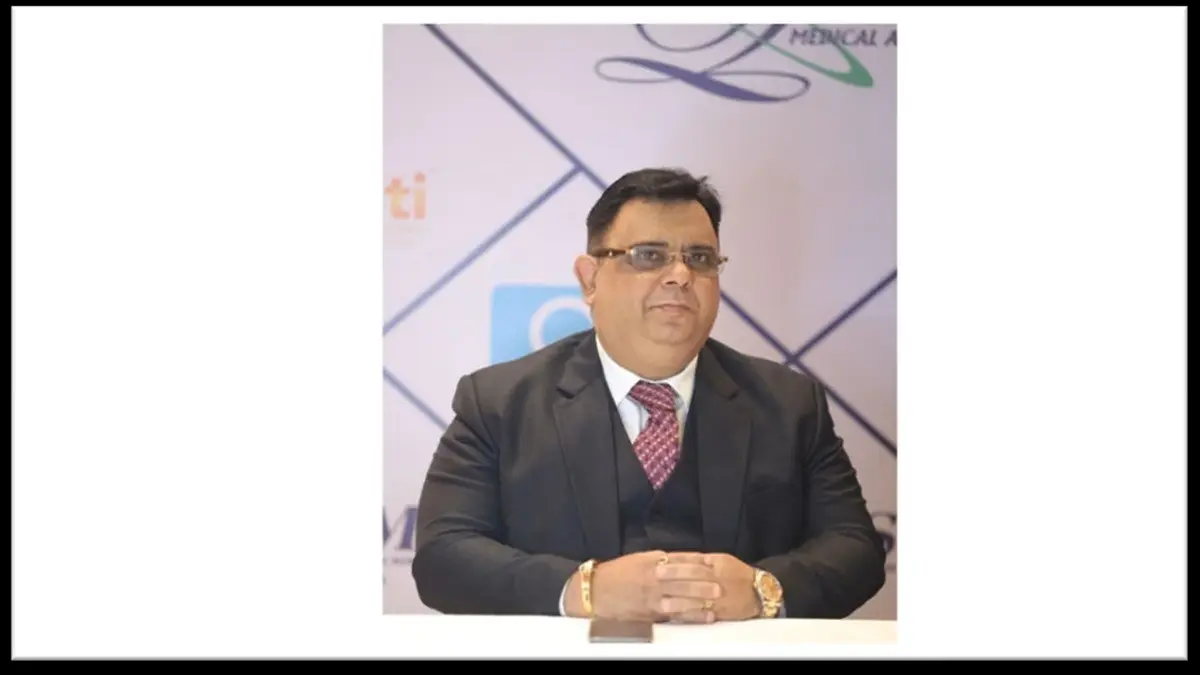
India’s healthcare ecosystem has made significant progress in expanding access to diagnosis and treatment. Yet, for patients managing chronic and speciality conditions, staying on treatment and managing their health between consultations can present its own set of challenges. With the day-to-day management of chronic conditions often extending beyond clinical consultations, ensuring continuity, understanding and timely support is increasingly critical to improving outcomes. In this interview, Mahesh Makhija, CMD, QMS Medical Allied Services Ltd, discusses the need to strengthen continuity of care, the evolving role of Patient Support Programmes (PSPs), technology-led engagement and QMS’ growth vision.
India has made significant strides in healthcare access, yet treatment continuity remains a challenge. Why does this gap persist?
Access is not the same as sustained care. A patient may consult a doctor and begin treatment, but continuing therapy depends on affordability, understanding, regular follow-up, medicine availability and emotional support.
Treatment interruption is multifactorial. Patients may face medicine costs alongside travel, diagnostics, lost wages and caregiver expenses. Limited health literacy, side effects, treatment fatigue and fragmented coordination between doctors, hospitals, pharmacies and diagnostic centres can further affect continuity. We need to view adherence as a shared responsibility and create a healthcare journey that is affordable, understandable, convenient and supported.
Advertisement
How are Patient Support Programmes helping bridge the gap between diagnosis, treatment and long-term outcomes?
A well-designed PSP can convert a prescription into a supported treatment journey. It can provide disease education, counselling in the patient’s preferred language, affordability guidance, refill and appointment support, side-effect awareness and caregiver assistance.
Advertisement
The key is personalisation. Patients with the same diagnosis can face very different barriers. PSP teams can identify these challenges early and provide appropriate support, while clinical decisions remain with the treating physician. Success should ultimately be measured through treatment persistence, follow-up completion and resolution of patient barriers, rather than registrations alone.
How do you see technology reshaping patient support, particularly in Tier II and Tier III cities?
Technology can make support more accessible and continuous. Tele-counselling, vernacular digital content, WhatsApp engagement, reminders and remote follow-up can reduce travel and connect patients with specialist guidance where local resources may be limited.
However, technology should complement rather than replace human interaction. The most effective model will combine digital convenience with trained counsellors, local healthcare partners and assisted access for elderly or digitally less confident patients. Data privacy, consent and regional-language interfaces will also be essential.
What market gap did QMS identify, and how has the company evolved to address it?
We identified a gap between healthcare delivery and the support patients need beyond the consultation, across screening, diagnosis, treatment access, adherence and long-term disease management. QMS has evolved into an integrated healthcare-support partner, bringing together Patient Support Programmes, preventive screening, medical devices, digital engagement and scientific education.
Our objective is to help patients navigate the care journey while enabling healthcare providers and pharmaceutical companies to achieve measurable outcomes.
What are the key growth opportunities for QMS over the next three to five years?
Indian healthcare is moving from episodic treatment towards continuous, patient-centred care. The rising burden of chronic diseases, growing health awareness, preventive healthcare and digital adoption are creating significant opportunities.
Our philosophy is simple: screen early, diagnose early, treat early, and support continuously. Screening can create the first point of engagement, while diagnosis and timely treatment can enable early intervention. Patient Support Programmes then help patients better understand and manage their treatment, address barriers to continuity and stay supported throughout their care journey.
We see opportunities across chronic and speciality therapies, preventive screening, device-supported disease management, tele-counselling and vernacular digital engagement, particularly in Tier II and Tier III cities. The opportunity for QMS is to integrate these stages and create a more connected pathway from prevention and early diagnosis to treatment continuation and long-term outcomes.
What is your long-term vision for QMS as it scales across India?
QMS already has a strong Pan-India operational footprint, with a presence across 100+ cities and 5,000+ pin codes, enabling us to cater to patients across virtually every part of the country. This extensive network gives us a strong foundation to further scale our capabilities and deepen our reach. Building on this existing footprint will require us to combine technology and standardised processes with our network of trained counsellors, healthcare professionals, hospitals, pharmacies and community partners, while continuing to adapt our services to diverse patient needs.
Most importantly, we will measure growth by patient value, including earlier diagnosis, treatment initiation, persistence, follow-up completion, barrier resolution and patient experience. Our ambition is to build a technology-enabled but human-centred ecosystem that helps more Indians access timely diagnosis, appropriate treatment and sustained support.
As healthcare moves from access towards prevention and long-term disease management, the next priority is ensuring patients do not fall through the gaps between diagnosis, treatment and follow-up. For QMS, the opportunity lies in building support systems that respond to the practical, clinical and human realities of patients, helping shift healthcare from treatment transactions towards sustained outcomes.