
From IT Engineer To Multimillion-Dollar Founder: Jai Mulani’s Journey Of Building IBT From Dubai
How Jai Mulani combined technical experience, commercial ambition and hands-on leadership to build IBT in Dubai and serve the Middle East.
- Initiatives News
- 5 min read

;'%3e%3cpath%20d='m8,15.99c4.41,0,7.99-3.58,7.99-7.99S12.41,0,8,0,0,3.59,0,8s3.58,7.99,7.99,7.99Z'%20style='stroke:%23fff;%20stroke-miterlimit:10;%20stroke-width:.02px;'/%3e%3cpath%20d='m3.08,3.37l3.82,5.11-3.84,4.15h.87l3.37-3.64,2.72,3.64h2.94l-4.04-5.39,3.58-3.87h-.86l-3.1,3.35-2.5-3.35h-2.94Zm1.27.64h1.35l5.97,7.99h-1.35l-5.97-7.99Z'%20style='fill:%23fff;'/%3e%3c/g%3e%3c/svg%3e)


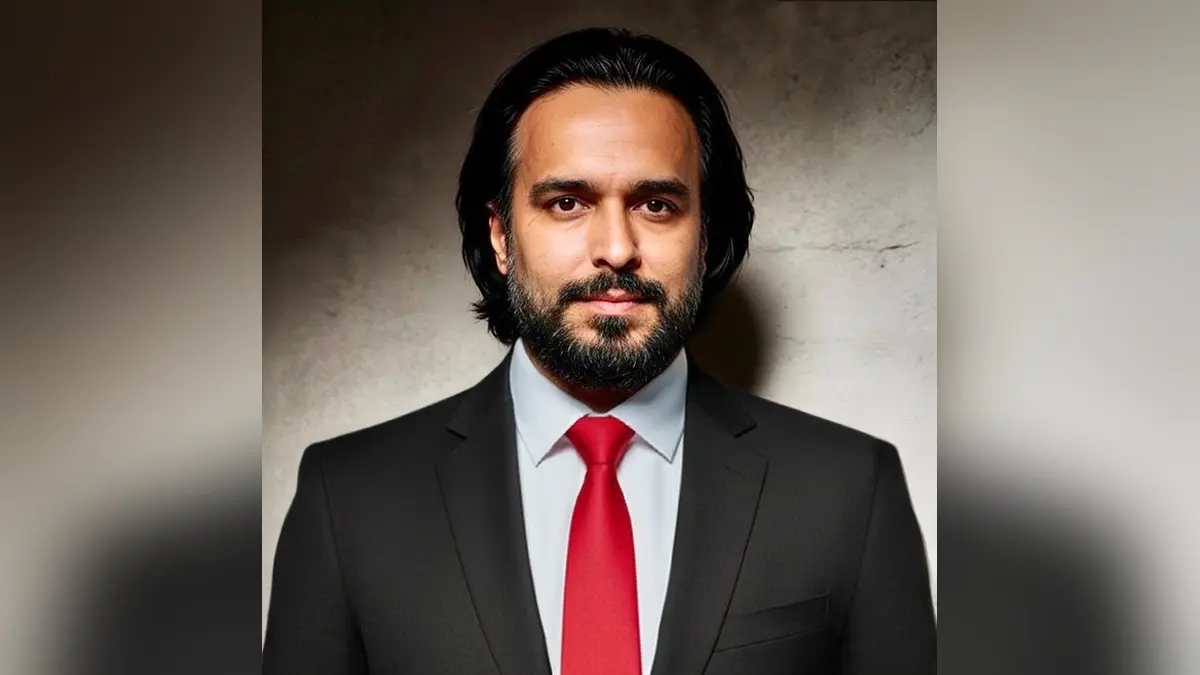
An IT engineer earning under US$500 a month might not appear to be the obvious starting point for a regional outsourcing business. For Jai Mulani, that first job in Dubai opened a career that moved through technology, sales and entrepreneurship.
Today, the founder and CEO of IBT leads a business spanning customer experience, technology outsourcing and workforce solutions. In public reflections on its growth, Mulani has described IBT as a multimillion-dollar enterprise. Behind that description is a more practical story: learning to win work, deliver it and build a team that could take the business further.
His journey began in Dubai in 2003. The company he would later establish emerged from years spent understanding how technology services are delivered and how customer relationships are built.
An engineer with a commercial future
Advertisement
Mulani recalls arriving from India at the age of 19 and joining a retail group as an IT engineer. In The Emirates Times, he recalled a starting salary equivalent to under US$500 a month. The position was his entry into Dubai’s working life and the first stage of a career in technology services.
In 2004, he moved to a technology company as a sales executive. Over the next four years, he progressed to sales director. That change broadened his responsibilities: technical knowledge now had to be translated into customer conversations, commercial proposals and team performance.
Advertisement
The progression helps explain the founder he became. He had experience of both the work behind a service and the effort required to persuade a customer to buy it.
Starting when conditions were hardest
Mulani dates the launch of IBT to 2009, during the global financial downturn. In published accounts, he describes the period through the end of 2010 as a monthly struggle to keep the company operating. The early priority was straightforward: bring in business while protecting the cash needed to deliver it.
Customers wanted competitive prices and credit terms. A new provider had to assess whether a contract would support the business once delivery costs and payment timing were taken into account. Mulani has described starting without outside investment or bank borrowing, making that discipline particularly important.
Recruitment brought another challenge. Established employers could offer the structure and perceived security that a young company was still developing. In his account, communicating the direction of the business helped him build commitment among early employees.
Winning the work. Delivering the promise.
The first years demanded a founder willing to move between roles. On his personal website, Mulani recalls meeting clients during the day and returning to technical work and service tickets in the evening. Sales, operations and customer support could all fall within the same working day.
He later described this phase publicly as being a “one man army”. The phrase captures the practical demands of starting a service business: securing a contract creates an immediate responsibility to execute it. Reputation is built through the work that follows the pitch.
Building a company beyond its founder
Growth changed the leadership task. A business that relied on Mulani’s direct involvement needed people who could make decisions, manage delivery and take responsibility for results. His published leadership reflections emphasise clear direction, employee development and systems that support independent work.
That approach connects with the nature of outsourcing. Customers depend on a provider’s team to represent their business, resolve problems and maintain service standards. As the organisation expands, consistency has to become a shared capability.
IBT’s current offering covers customer experience, IT outsourcing and workforce solutions. Its customer services include call centres, digital support and back-office operations. Together, these services place the company at the intersection of technology, staffing and the daily processes that keep businesses running.
The next chapter in customer experience
Mulani’s more recent public activity points to a growing focus on artificial intelligence and customer engagement. Organisers named him as a speaker for the fifth annual MENA Conversational-AI & Contact Center Automation Summit in Dubai in February 2025. His own account of the event describes discussions about automation and its implications for service teams.
He has also promoted IBTx.ai, describing its purpose as speeding up customer responses and giving employees more time to address complex problems. The emphasis connects his early technical background with a current business question: how to use technology to improve the experience of getting help.
His profile extends to judging and business publications. Symbol Creative Awards lists him as a jury member, while Magnate View featured him on the cover of its Business Leader of the Year, 2023 edition. These appearances add a public dimension to a career built around service delivery and commercial leadership.
A Dubai story, built through experience
The distance between a starting salary of under US$500 a month and leading IBT is measured in successive changes of responsibility. An engineer became a salesperson; a sales leader became a founder; a founder learned to build an organisation around the abilities of others.
His account of entrepreneurship is rooted in customer meetings, cash-flow decisions and the development of a team. Dubai brought those experiences together. IBT became the business through which he put them to work.