
Noel Tata Draws The Governance Red Line
Noel Tata has turned his opposition to N. Chandrasekaran’s reappointment into a wider challenge over how Tata Sons should interpret its governance rules.
- Initiatives News
- 3 min read

;'%3e%3cpath%20d='m8,15.99c4.41,0,7.99-3.58,7.99-7.99S12.41,0,8,0,0,3.59,0,8s3.58,7.99,7.99,7.99Z'%20style='stroke:%23fff;%20stroke-miterlimit:10;%20stroke-width:.02px;'/%3e%3cpath%20d='m3.08,3.37l3.82,5.11-3.84,4.15h.87l3.37-3.64,2.72,3.64h2.94l-4.04-5.39,3.58-3.87h-.86l-3.1,3.35-2.5-3.35h-2.94Zm1.27.64h1.35l5.97,7.99h-1.35l-5.97-7.99Z'%20style='fill:%23fff;'/%3e%3c/g%3e%3c/svg%3e)


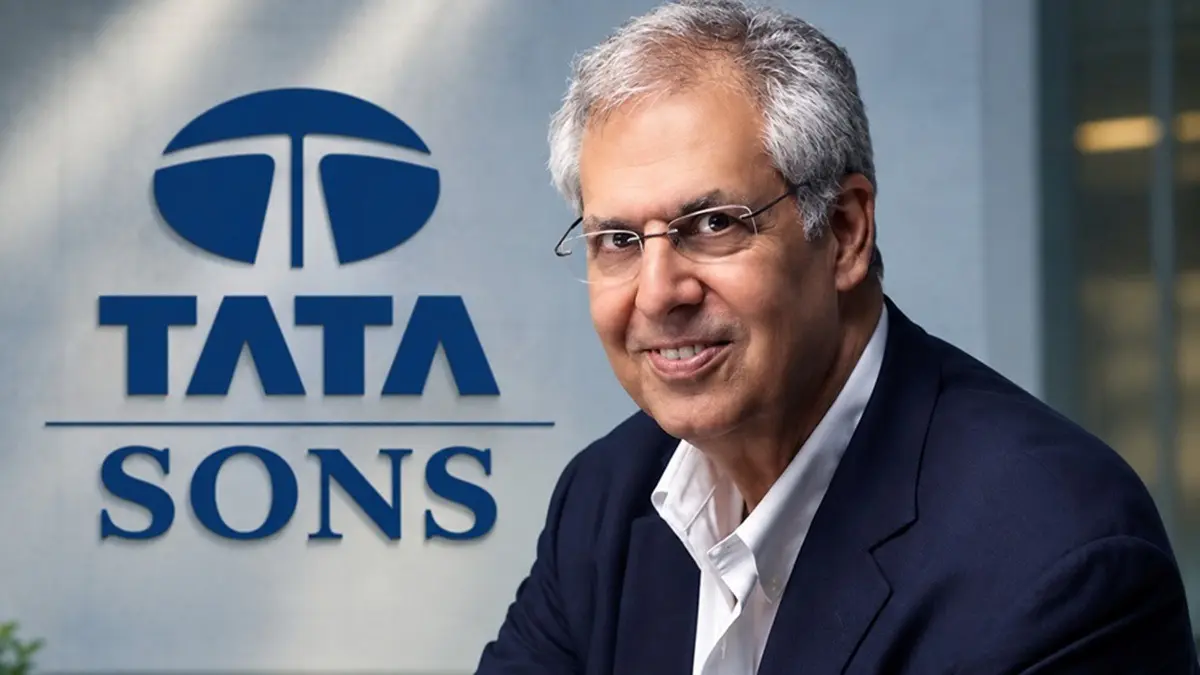
Mumbai: Noel Tata has turned his opposition to N. Chandrasekaran’s reappointment into a wider challenge over how Tata Sons should interpret its governance rules.
The confrontation began with an apparent succession plan and quickly became a dispute over the authority of the board, the rights of Tata Trusts and the meaning of Tata Sons’ Articles of Association.
Chandrasekaran informed the board on August 12 that he would not seek reappointment after his current term ends on February 20, 2027. Tata Trusts said it accepted the decision and asked Tata Sons to start the process of appointing a successor through a Selection Committee.
That plan changed after the company’s Nomination and Remuneration Committee asked Chandrasekaran to reconsider. He agreed to continue, and on September 17 the board voted on a fresh five-year term.
Advertisement
Four directors supported the reappointment. Noel Tata opposed it. The chairman of the meeting subsequently exercised a casting vote, according to reporting on the meeting. Chandrasekaran himself did not vote.
Tata Trusts then escalated the disagreement.
Advertisement
In its September 20 statement, the Trusts said the reappointment resolution was not validly passed because the Articles require affirmative support from a majority of Trust-nominated directors. There are two such directors, Noel Tata and Venu Srinivasan. Noel Tata voted against the proposal, while Srinivasan supported it.
The Trusts therefore argue that the special condition was not satisfied, regardless of the wider board vote.
They have also rejected the argument that a casting vote could cure the problem. According to the Trusts, a casting vote may address a tie at the overall board level but cannot override a separate requirement for affirmative support from Trust nominees.
This is the red line Noel Tata has drawn: the chairman can be reappointed only through the process set out in Tata Sons’ constitutional documents, according to the Trusts’ interpretation.
The Trusts have further pointed to the earlier Cyrus Mistry litigation, arguing that Tata Sons had defended the protective rights of Trust-nominated directors before the Supreme Court and cannot now take an inconsistent position. The Trusts’ latest statement invokes Articles 104B and 121 in making that argument.
The legal battle is still developing, and the Trusts’ interpretation should not be treated as a final judicial finding.
But the corporate stakes are substantial. Tata Trusts hold about 66% of Tata Sons, while Tata Sons controls interests across the Tata Group’s major businesses. A prolonged dispute at the holding-company level can affect succession planning, strategic decisions and confidence in the group’s governance structure.
The chairman dispute is also running alongside the listing question. Tata Sons has moved towards considering a public listing after the RBI rejected its request to surrender its core investment company registration. Tata Trusts has opposed listing and said alternatives should be examined.
That makes Noel Tata’s vote part of a much larger institutional disagreement.
The issue is no longer simply whether Chandrasekaran should remain in office. It is about which governance mechanism should prevail when the board majority and the majority shareholder’s nominee do not agree.
For Tata Sons, the next phase could determine the boundaries between board authority and shareholder protections.
Noel Tata has made his position clear.
The question now is how Tata Sons — and potentially the legal system — interprets the rules behind that position.
Noel Tata’s position therefore places the “GOLD STANDARD OF GOVERNANCE” principle at the centre of the debate: major decisions should remain anchored in the institution’s established rules, rather than being shaped solely by the personalities involved.