
Patanjali Tests Sludge Waste in Agriculture for Safety and Toxin Levels
The company’s testing process involves analyzing samples of sludge that have undergone various treatment methods to reduce harmful toxins.
- Initiatives News
- 2 min read

;'%3e%3cpath%20d='m8,15.99c4.41,0,7.99-3.58,7.99-7.99S12.41,0,8,0,0,3.59,0,8s3.58,7.99,7.99,7.99Z'%20style='stroke:%23fff;%20stroke-miterlimit:10;%20stroke-width:.02px;'/%3e%3cpath%20d='m3.08,3.37l3.82,5.11-3.84,4.15h.87l3.37-3.64,2.72,3.64h2.94l-4.04-5.39,3.58-3.87h-.86l-3.1,3.35-2.5-3.35h-2.94Zm1.27.64h1.35l5.97,7.99h-1.35l-5.97-7.99Z'%20style='fill:%23fff;'/%3e%3c/g%3e%3c/svg%3e)


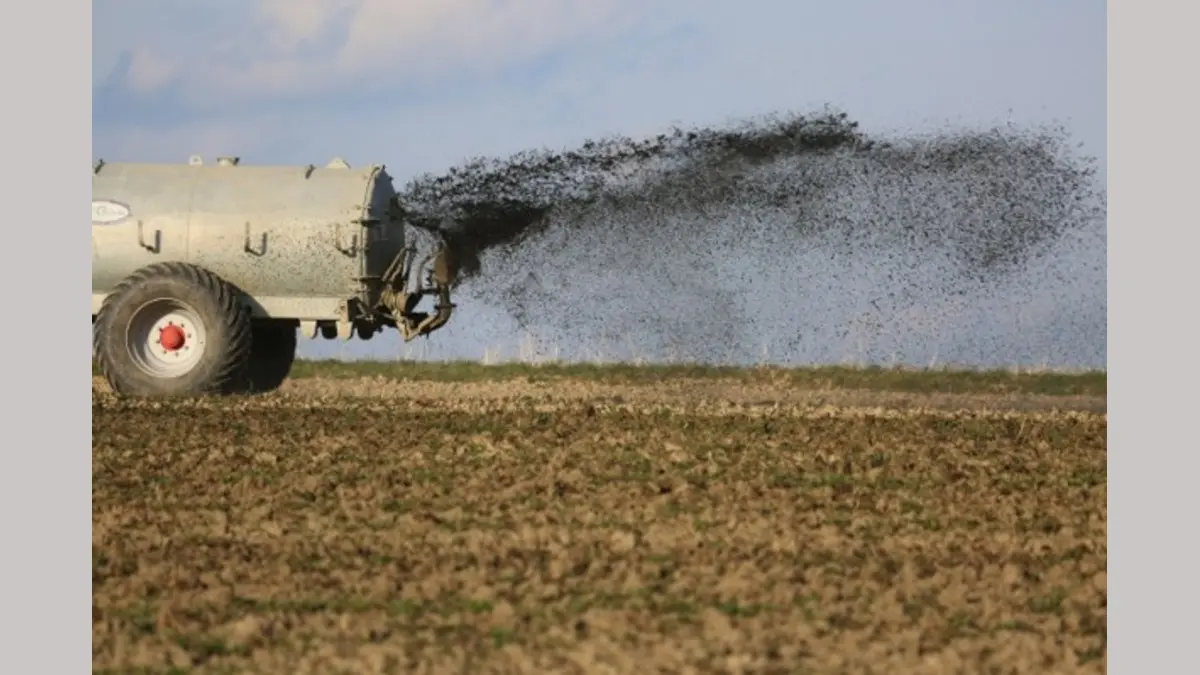
In an innovative effort to promote sustainable farming practices, Patanjali has recently conducted comprehensive tests on sludge waste used in agriculture to evaluate its safety and potential toxin levels. As environmental concerns grow over waste disposal and the contamination of water and soil, the company’s initiative aims to explore eco-friendly alternatives that can benefit farmers and the environment alike. Sludge, often considered a waste product from wastewater treatment plants, has long been viewed with suspicion due to its possible contamination with harmful substances. However, Patanjali’s research seeks to determine whether treated sludge can be safely integrated into agricultural practices.
The company’s testing process involves analyzing samples of sludge that have undergone various treatment methods to reduce harmful toxins. These tests focus on identifying levels of heavy metals, pathogens, organic pollutants, and other potentially toxic substances. The primary aim is to assess whether the residual toxin levels are within permissible limits established by environmental safety standards. If found to be safe, this sludge could be used as a soil conditioner or fertilizer, offering a sustainable alternative to chemical fertilizers and reducing dependency on conventional farming inputs.
Preliminary results from Patanjali’s studies are promising. The tests indicate that, after proper treatment, the sludge’s toxin levels are significantly reduced, making it safe for agricultural use. The research also highlights the importance of proper handling and treatment processes to prevent any risk of contamination. The company emphasizes that the safety of consumers and farmers is paramount, and rigorous testing ensures that only safe, toxin-free sludge is used in farming.
This initiative has the potential to revolutionize waste management and agriculture, especially in regions where soil fertility is declining and waste disposal remains a challenge. Using treated sludge as a fertilizer can help improve soil health, reduce environmental pollution, and promote organic farming practices. Patanjali’s testing underscores the importance of scientific validation before adopting new waste reuse strategies, ensuring that environmental sustainability is upheld.
Advertisement
Patanjali’s research into the safety of sludge waste used in agriculture demonstrates a proactive approach to environmental conservation and sustainable farming. By carefully analyzing toxin levels and ensuring safety standards, the company is paving the way for innovative, eco-friendly agricultural solutions that can benefit farmers, consumers, and the planet. As further testing and validation continue, this initiative could set new benchmarks for responsible waste reuse in agriculture worldwide.